
 Brian Fairchild

Erectile dysfunction (ED) is a common concern for men managing high blood pressure. Many ask whether hypertension medications and erectile dysfunction are truly connected. ED means the inability to get or keep an erection firm enough for sexual activity. Doctors sometimes call it impotence. Occasional ED isn’t unusual, especially during stressful periods. Frequent ED, though, can signal an underlying health problem that needs attention.
If you’re concerned about erectile dysfunction, talk to your doctor, even if the topic feels uncomfortable. Sometimes treating an underlying condition resolves ED on its own. In other cases, a medication change or a targeted treatment helps.
What Causes Erectile Dysfunction?
Male sexual arousal depends on a complex interplay of factors. The brain, hormones, nerves, muscles, and blood vessels all play a part. A problem in any of these systems can contribute to ED. Stress and mental health concerns can also cause or worsen the condition. Physical and psychological causes often overlap. A minor physical issue can slow sexual response and trigger anxiety about future erections. That anxiety can then make ED worse on its own.
Doctors also consider ED an early marker of cardiovascular disease. According to Mayo Clinic, the connection often traces back to the endothelium, the thin lining inside blood vessels. When the endothelium can’t widen the penile blood vessels properly in response to arousal, erection problems can result. Penile arteries are much smaller than coronary arteries, so vascular changes often show up there first. Sometimes these changes appear before other warning signs.
Who Is at Risk?
Risk factors for ED overlap heavily with cardiovascular risk factors. Diabetes, high cholesterol, smoking, obesity, and chronic stress all play a role, alongside hypertension itself. ED often appears before other visible signs of vascular disease. Because of this, many clinicians now treat it as an early warning sign, not just a minor inconvenience.
Can Hypertension Medications Cause ED?
Sometimes, yes. The effect depends heavily on the drug class, and researchers are still refining exactly how much. A 2024 review in the journal Endocrine looked closely at this question. It found that the real contribution of antihypertensive medications to ED remains genuinely conflicting in the research record. Researchers have long suspected thiazide diuretics and beta-blockers as culprits. The same review found something different for other drug classes. ACE inhibitors, angiotensin receptor blockers (ARBs), and calcium channel blockers showed a neutral or even positive effect on erectile function. Centrally acting drugs such as clonidine carried the strongest evidence for causing problems.
Expectation may also play a role. Men who expect a medication to cause ED are more likely to report it. Researchers call this pattern the nocebo effect. That doesn’t mean the physical effect isn’t real for some men. It does mean the full story is more complicated than a simple cause and effect.
It was 150/100, this morning it was 110/79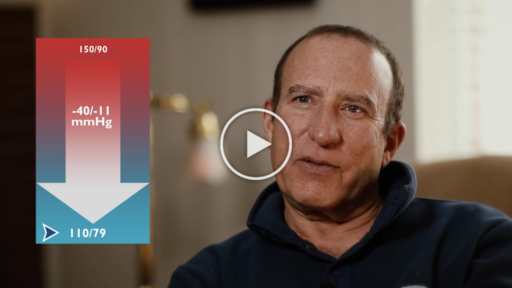
Watch How Mark Lowered His Blood Pressure Naturally.
Beta-Blockers and Diuretics
Beta-blockers work by blocking receptors that respond to adrenaline. Those same receptors play a role in the blood flow needed for an erection. Because of this, beta-blockers carry the longest-standing association with ED. Diuretics work differently: they lower blood pressure by reducing fluid in the circulatory system. They may also relax blood vessels, which can reduce blood flow to the penis. Both drug classes remain widely prescribed because they’re effective and affordable. If ED develops after starting one, talk with your doctor rather than stopping the medication on your own.
Medications Less Likely to Cause ED
ACE inhibitors, ARBs, and calcium channel blockers rarely cause erectile problems. ARBs in particular may even improve erectile function in some studies, while still lowering blood pressure. If ED develops on a beta-blocker or diuretic, a doctor will often suggest switching to one of these classes first. Doctors typically try that switch before adding another medication. You may also find it helpful to review common hypertension risk factors. Managing them can reduce your reliance on any single drug class.
How Is Medication-Related ED Treated?
If your doctor believes your medication is contributing to ED, several options exist. Stopping your blood pressure medication on your own is never the answer. Switching to a different drug class within the same treatment goal is common. If switching isn’t possible, doctors can often prescribe on-demand ED treatments alongside most blood pressure medications. The one firm exception is nitrates. Combining ED medication with nitrate-based heart drugs can cause a dangerous drop in blood pressure. Always give your doctor a complete list of everything you’re taking. Certain alpha-blockers also require closer monitoring if you combine them with ED treatment.
It was 170/110, this morning it was 120/80
Watch how Julie Lowered her Blood Pressure Naturally.


Conclusion
Hypertension medications and erectile dysfunction are connected. The relationship, though, is more nuanced than it once appeared, and much depends on which drug class you’re taking. Don’t stop taking a blood pressure medication on your own if you notice sexual side effects. A conversation with your doctor can usually identify the real cause. It might be the medication, an underlying condition, or something else entirely. Understanding the common myths around hypertension symptoms can also help you separate what’s worth worrying about from what isn’t.
How to Lower Blood Pressure Naturally
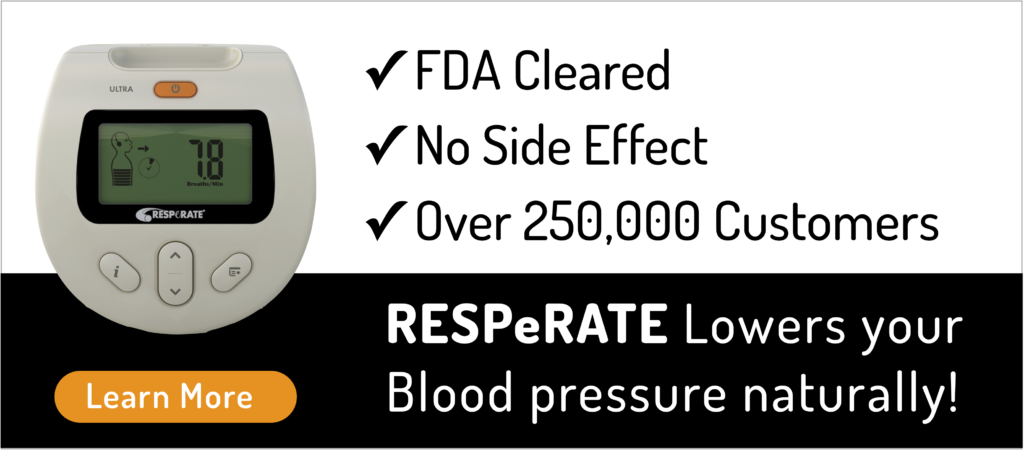
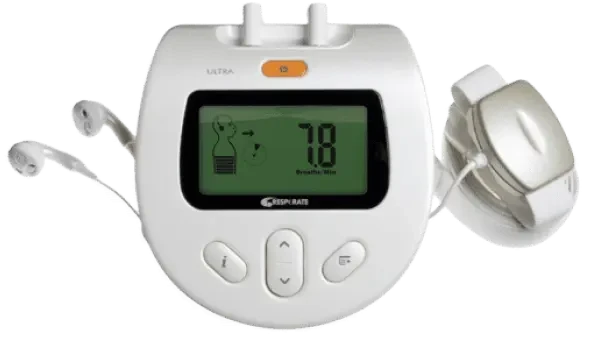
RESPeRATE is the only FDA-cleared device for lowering blood pressure naturally. It’s clinically proven and doctor recommended, and it works alongside your physician-directed treatment plan.


 Clinically proven

 Eli





Comments