
 Brian Fairchild

Celery seed extract is a supplement made from the seeds of the celery plant. It is often sold as a blood pressure supplement. However, the human research is still small, and the results vary. Here is what a 2025 review found and what to watch for.
What Is Celery Seed Extract?
Celery seeds come from the same plant as the stalks you buy at the store. Celery seed extract and seed powder usually come in capsules. According to a 2025 review in Frontiers in Nutrition, celery contains a compound called apigenin. That compound may help widen blood vessels, which is one reason researchers study celery for blood pressure.
What the Research Shows on Celery Seed Extract
A Review of 9 Trials
The 2025 review pooled 9 randomized trials with 511 adults. On average, celery preparations lowered both systolic and diastolic blood pressure. Still, the results varied widely from trial to trial.
The review also reported its results as a standardized score. So it does not show how many points blood pressure dropped in everyday terms.
What the Details Show
Only some of the trials tested celery seed extract. Others used seed powder, leaf powder, or a tea made from stalks and leaves. In fact, when the authors looked at capsules alone, the drop in systolic pressure was not significant.
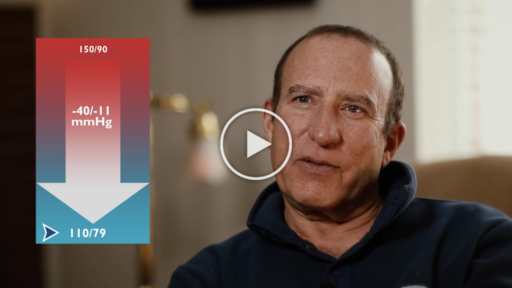
Watch How Mark Lowered His Blood Pressure Naturally.
It was 150/100, this morning it was 110/79
The trials were also short, lasting 12 to 84 days. All of them took place in Iran, Indonesia, or China. In addition, not everyone studied had high blood pressure. Some trials enrolled people with prediabetes, polycystic ovary syndrome, or extra weight.
For these reasons, the authors called for larger, longer trials. They also said researchers need more trials to set the best dose.
A Note on Dose
Daily doses in the trials ranged from about 10 mg to 2,250 mg. The authors saw stronger effects above 1,000 mg a day. Even so, there is no standard dose yet, so ask your doctor before you start.
Celery Seed Extract Safety Tips
In the review, side effects were about as common with celery as with placebo. The mild effects reported included dizziness, reflux, nausea, and frequent urination.
An A.D.A.M. herb guide adds a few more cautions:
- Do not use celery seed during pregnancy, because it may lead to uterine bleeding.
- Avoid it if you have active kidney inflammation.
- If you are allergic to birch pollen, you may also react to celery seed.
- It may make your skin more sensitive to the sun.
- It may interact with blood thinners such as warfarin and aspirin, diuretics, lithium, thyroid medicine, and sedatives.

Watch how Julie Lowered her Blood Pressure Naturally.
It was 170/110, this morning it was 120/80
Learn More

Also, ask your doctor before adding it to blood pressure medicine. Most important, never stop or change a prescription without your doctor.
What About Celery Juice?
None of the trials in the review tested celery juice. So we cannot say that juice works the same way as the extract. Celery is still a healthy vegetable, though. The NHLBI’s DASH eating plan emphasizes vegetables, fruits, and whole grains.
Where Celery Seed Fits in Your Plan
Celery seed extract shows early promise, but it is not a proven treatment. For other options ranked by evidence, read our guide to natural remedies for high blood pressure. You can also see what the research shows on flaxseed and blood pressure.
How to Lower Blood Pressure Naturally
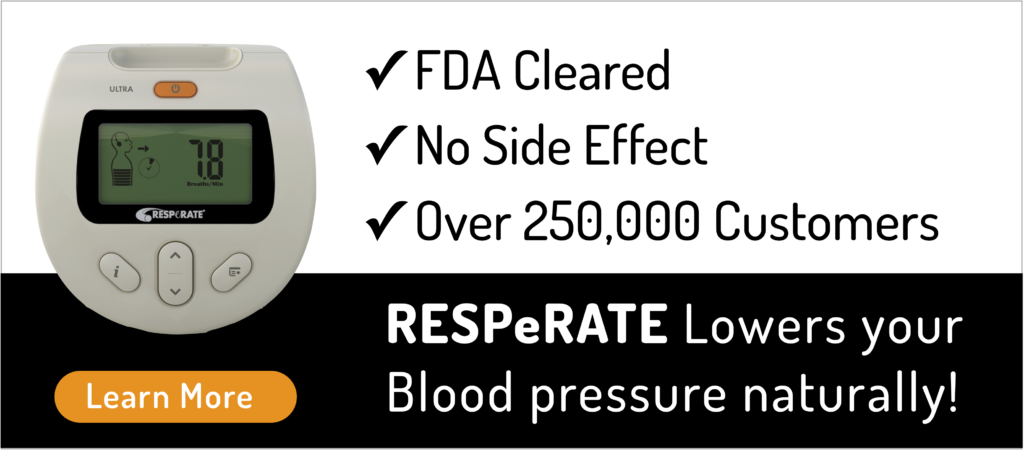
Learning what the research says is one smart step toward a heart-healthy routine. RESPeRATE is an FDA-cleared device clinically shown to lower blood pressure through device-guided slow breathing. It works alongside your physician-directed treatment plan, not instead of it. See how RESPeRATE works and whether it fits your daily routine.


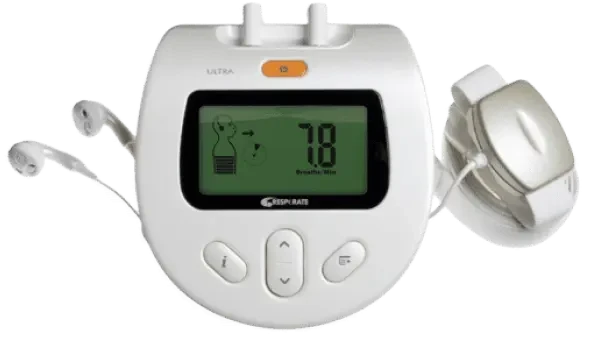
 Clinically proven

 Eli





Comments