
 Brian Fairchild

Your thyroid and blood pressure share a link worth knowing about. This small gland in your neck makes hormones that affect many parts of the body. When it makes too little or too much, high blood pressure can result. Here is what that link looks like and when to ask your doctor about it.
What Your Thyroid Does
According to the NIDDK, the thyroid is a small, butterfly-shaped gland in the front of your neck. Its hormones control the way your body uses energy. In fact, they affect nearly every organ, even the way your heart beats.
However, problems start when hormone levels drift too low or too high. Doctors call these two conditions hypothyroidism and hyperthyroidism.
How Thyroid Problems Can Raise Blood Pressure
Sometimes another medical condition causes high blood pressure. Doctors call this secondary hypertension. Mayo Clinic lists thyroid problems among its causes. When the thyroid makes too little or too much hormone, high blood pressure can result.
Mayo Clinic also lists signs that high blood pressure may be secondary:
- Blood pressure that does not respond to blood pressure medicine
- High blood pressure that starts suddenly, before age 30 or after age 55
- No family history of high blood pressure
It was 150/100, this morning it was 110/79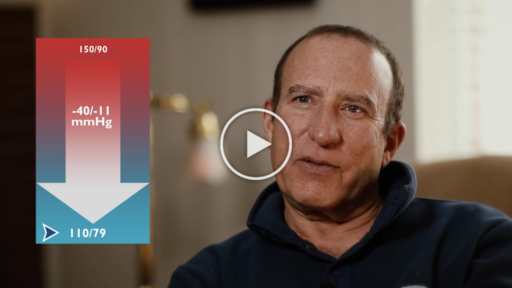
Watch How Mark Lowered His Blood Pressure Naturally.
These signs do not prove a thyroid problem. Still, they are a good reason to ask your doctor about underlying causes.
Hypothyroidism: An Underactive Thyroid
With hypothyroidism, the thyroid does not make enough hormone. It is also common. In fact, the NIDDK says nearly 5 out of 100 Americans ages 12 and older have it. Women are much more likely than men to develop it, and it is more common after age 60.
Common symptoms include:
- Fatigue and weight gain
- Trouble tolerating cold
- Joint and muscle aches
- Dry skin or hair
- A slow heart rate
- Depression
Hypothyroidism can also affect heart health in another way. According to the NIDDK, it can contribute to high cholesterol.
Hyperthyroidism: An Overactive Thyroid
With hyperthyroidism, the thyroid makes more hormone than your body needs. The NIDDK says about 1 out of 100 Americans ages 12 and older have it. Possible symptoms include weight loss despite a bigger appetite, nervousness, trouble sleeping, and heat intolerance.
Its heart effects are the most serious. For example, a rapid or irregular heartbeat is a common symptom. Untreated, that irregular heartbeat can lead to blood clots, stroke, and heart failure, according to the NIDDK. Mayo Clinic also lists atrial fibrillation, a heart rhythm condition that raises stroke risk.
How Thyroid Problems Are Diagnosed and Treated
Symptoms alone cannot confirm a thyroid problem. For that reason, doctors use blood tests and sometimes imaging tests.
Treatment depends on the problem:
- Hypothyroidism: doctors prescribe thyroid hormone replacement. The NIDDK says this treatment can most likely control it completely.
- Hyperthyroidism: options include antithyroid medicine, radioiodine therapy, beta blockers, and, less often, surgery.
It was 170/110, this morning it was 120/80
Watch how Julie Lowered her Blood Pressure Naturally.


Follow-up matters too. After you start thyroid hormone medicine, the NIDDK says doctors usually repeat a blood test in 6 to 8 weeks. Then they test again in 6 months and once a year after that.
A Note on Iodine Supplements
Iodine supplements may seem like a natural fix. However, the NIDDK warns that large amounts of iodine may cause or worsen hypothyroidism in people with autoimmune thyroid disorders. Talk with your health care team before taking iodine or any thyroid supplement.
When to Ask Your Doctor About Your Thyroid and Blood Pressure
Ask about thyroid testing if your blood pressure is hard to control or started suddenly. The same goes if you notice the symptoms above. From there, your doctor can decide whether tests make sense for you.
Treating a thyroid problem does not replace the rest of your blood pressure plan. For the everyday habits that help, read our guide to lifestyle choices for high blood pressure. To see how doctors now assess blood pressure risk, read what the 2025 blood pressure guidelines mean for you.
How to Lower Blood Pressure Naturally
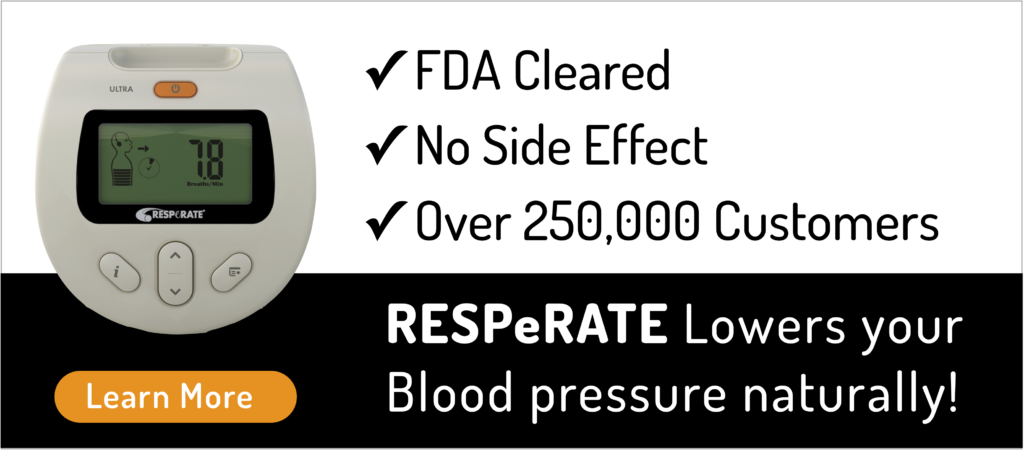
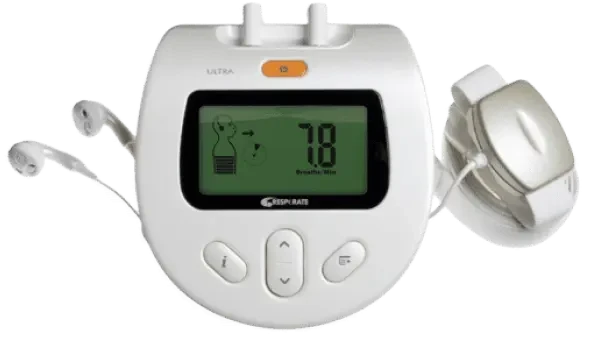
Understanding the link between your thyroid and blood pressure is one step toward better heart health. RESPeRATE is an FDA-cleared device clinically shown to lower blood pressure through device-guided slow breathing. It works alongside your physician-directed treatment plan, not instead of it. See how RESPeRATE works and whether it fits your daily routine.


 Clinically proven


 Eli




Comments
5 Replies to “Thyroid and Blood Pressure: How Your Thyroid Can Affect Hypertension”
I might add that patients should be careful with thyroid preparations if they are adrenal insufficient. I was given levothyroxine which made my symptoms worse. Many people find Armour Thyroid to be more effective since since it is a dessicated thyroid and converts T4 to T3. Sometimes the addition of iron or iodine can restore function back to normal.
Hi Steve, Thank you for the info. Kindest Regards, Eli, Content Manager, RESPeRATE.
I would agree that hypothyroidism is considered a cause of secondary hypertension but most hypertension is considered essential hypertension with no known cause but I believe the cause is simply the western diet which causes endothelial dysfunction and depletes nitric oxide levels. If you have unexplained hypertension which becomes severe under an optimal preferably plant based diet then see your health care provider to investigate other causes.
I might add that TSH might become elevated under the influence of adrenal insufficiency and the adrenal and thyroid interact. From my own experience, the real underlying problem may be hydrocortisone deficiency since cortisol relies on thyroid hormone. In this scenario hypotension develops particularly when both cortisol and aldosterone levels are low.
Most people should also be conscious of their iodine and iron levels which can be a cause for low thyroid function. Aim for 150mcg of iodine per day and also get ferritin levels checked.
Comments are closed.