
 Brian Fairchild

Your daily lifestyle choices can affect high blood pressure in real, measurable ways. Health agencies agree on the main ones. The NHLBI, the American Heart Association, and the CDC all name the same core habits. This post walks through six of them, with what each agency actually recommends.
Why Lifestyle Choices Matter for Blood Pressure
Lifestyle changes are part of the standard plan for high blood pressure. The NHLBI lists heart-healthy eating, physical activity, a healthy weight, limited alcohol, good sleep, and stress management. It also advises quitting smoking. These steps work alongside any medicine your doctor prescribes, not in place of it.
1. Shift Your Diet Toward the DASH Pattern
The American Heart Association lists a well-balanced diet first among its changes for managing blood pressure. Likewise, the NHLBI recommends heart-healthy foods such as those in the DASH eating plan. DASH focuses on vegetables, fruits, whole grains, beans, nuts, fish, and low-fat dairy.
Of all the dietary lifestyle choices, sodium has one of the clearest links to blood pressure. The AHA recommends no more than 2,300 mg of sodium a day. Its optimal goal is 1,500 mg for most adults. Yet Americans average over 3,100 mg daily, according to the AHA.
- Read labels. The AHA defines a “low sodium” food as one with 140 mg or less per serving.
- Cook more meals at home, where you control the salt.
- Swap one meat-based meal a week for beans or lentils.
2. Build Regular Physical Activity Into Your Week
According to the NHLBI, studies show that physical activity can help lower and control high blood pressure. Even a small amount may help, such as a 10-minute walk each day. Sitting less can help you reach your blood pressure goal, too.
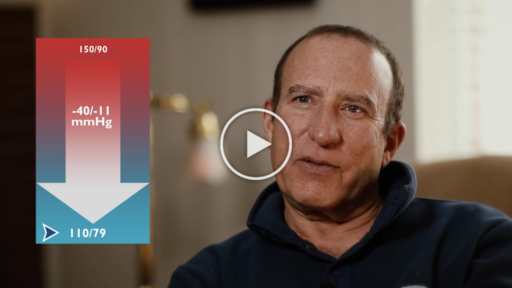
Watch How Mark Lowered His Blood Pressure Naturally.
It was 150/100, this morning it was 110/79
For a weekly target, the CDC recommends 150 minutes of moderate-intensity activity for adults. Instead, you can do 75 minutes of vigorous activity. The CDC also advises muscle-strengthening activity at least 2 days a week for overall health.
That 150 minutes works out to about 30 minutes, five days a week. Brisk walking counts, which makes activity one of the easiest lifestyle choices for blood pressure.
3. Work Toward a Healthy Weight
Weight is another lifestyle choice tied to blood pressure. The CDC notes that overweight and obesity raise your risk of high blood pressure. In that group, the NHLBI says losing even 3% to 5% of your weight can improve blood pressure.
As an example, for a 200-pound person, that means 6 to 10 pounds. In other words, you do not need to reach an ideal weight to see a benefit.
4. Limit Alcohol
The AHA and the NHLBI both advise limiting or avoiding alcohol. For specific limits, turn to the CDC. Men should have no more than 2 drinks a day, and women no more than 1. The NHLBI also suggests talking with your provider about how much you drink.
5. Prioritize Sleep Quality and Duration
Sleep is a lifestyle choice, too. The NHLBI recommends 7 to 9 hours of sleep a day for adults. In NHLBI research, adults who sleep 7 to 8 hours a night have a lower risk of high blood pressure. Similarly, the CDC links regular short sleep to a higher risk of heart disease, high blood pressure, and stroke.
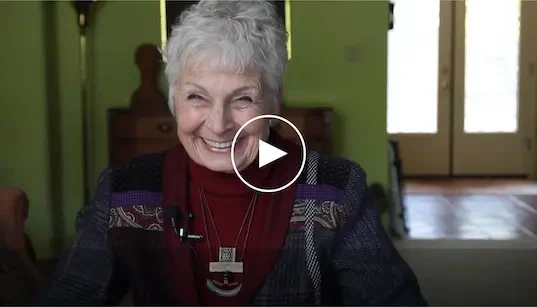
Watch how Julie Lowered her Blood Pressure Naturally.
It was 170/110, this morning it was 120/80
Learn More

Curious how your numbers change overnight? Read what happens to your blood pressure while you sleep.
6. Manage Chronic Stress
Managing stress is the sixth lifestyle choice for blood pressure. The American Heart Association says stress raises blood pressure temporarily. However, the AHA adds that researchers are still studying how long-term stress affects blood pressure. Stress can also feed habits linked to high blood pressure, such as a poor diet and too much alcohol.
So what helps? The NHLBI says relaxation techniques, talking to a counselor, and joining a support group can all help. Slow breathing is one simple relaxation technique. For the research behind it, read the science behind slow breathing for stress relief.
How RESPeRATE Fits Into Your Lifestyle Plan
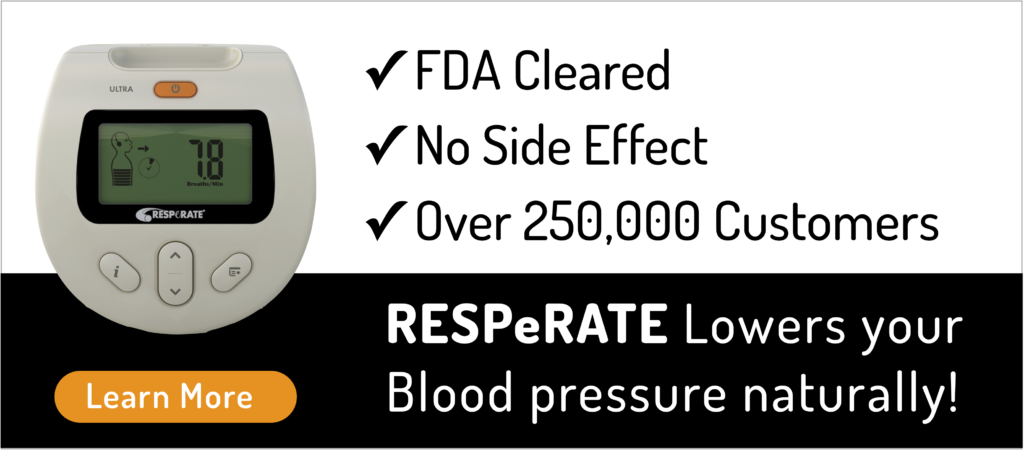
RESPeRATE is an FDA-cleared device clinically shown to lower blood pressure. It uses guiding tones to slow your breathing to fewer than 10 breaths per minute, with a longer exhale. According to the RESPeRATE user manual, a default session lasts 15 minutes. The manual suggests at least 40 minutes of therapeutic breathing a week.
RESPeRATE works alongside your physician-directed treatment plan, not instead of it. You can use it together with medication and the lifestyle changes above. See how RESPeRATE works.
The Bottom Line on Lifestyle Choices and Blood Pressure
Diet, activity, weight, alcohol, sleep, and stress all shape your blood pressure. Pick one change to start this week. Then add another once it feels routine. Finally, work with your doctor to track your numbers and adjust your plan over time.


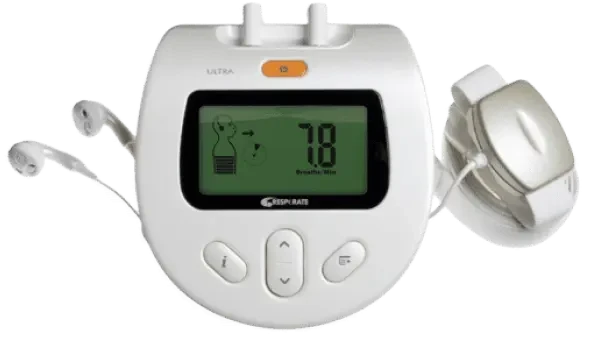
 Clinically proven


 Eli





Comments
2 Replies to “Lifestyle Choices for High Blood Pressure: Six Changes That Make a Measurable Difference”
I have been using Resperate for 6 so days now, Two 15 minute periods a day. My blood pressure after the first session was 163/80. Today it was 127/60. I am delighted with my progress! Thank you VERY MUCH
Cindy
That is wonderful to hear! When conducting multiple device-guided sessions per day, a reasonable and highly effective amount of time to wait between sessions is 4 to 6 hours.
While there is no strict mechanical cooldown period required for the RESPeRATE device itself, separating your sessions by several hours is physiologically ideal. This spacing maximizes the carryover effect of central sympathetic dampening and fits neatly into standard clinical trial frameworks. Another thing that most users are unaware of is the need to start with a “normal” breath rate of 10 or more and just allow the device to guide you down to 5 breaths or less. This slowing is proven to inhibit the Muscular Sympathetic Nervous Activity and is what is causing the reduction in BP, initially it is temporary, but will become sustained with regular, consistent usage.