
 Brian Fairchild

Teas for sleep are a popular part of many bedtime routines. Many people enjoy a warm, caffeine-free cup as they wind down. Still, research on most teas for sleep is limited, and a few carry real cautions. Here is what the evidence says about seven common choices.
Herbal Teas for Sleep With Some Research
1. Chamomile
Chamomile is one of the most familiar bedtime teas. However, the NCCIH says there is very little information on its effect on insomnia. Some early studies suggest a chamomile supplement might help with anxiety.
Skip it if you are allergic to related plants, such as ragweed, daisies, or marigolds. Also, the NCCIH notes reported interactions with warfarin and some other medicines.
2. Valerian
Valerian is a common ingredient in sleep blends. According to the NCCIH, the evidence on whether it helps sleep is inconsistent. In fact, the American Academy of Sleep Medicine recommended against using it for chronic insomnia in 2017.

Watch How Mark Lowered His Blood Pressure Naturally.
It was 150/100, this morning it was 110/79

Valerian is generally safe for short-term use. Even so, do not combine it with alcohol or sedatives. For more, see our post on valerian and sleep.
3. Passionflower
A small amount of research suggests passionflower might improve total sleep time in adults with insomnia, says the NCCIH. Its effects on falling and staying asleep are mixed. As a tea, it may be safe for up to 7 nights.
Do not use passionflower during pregnancy, because it may cause uterine contractions. It can also cause drowsiness, dizziness, and confusion.
4. Lemon Balm
In a small trial of 30 adults with insomnia, a lemon balm extract improved insomnia scores over 15 days. That study used tablets from the extract’s maker, not tea. So the results may not apply to a cup at bedtime.
5. Lavender
Most lavender research looks at oral capsules or the scent, not tea. The NCCIH says it is unclear whether lavender aromatherapy helps sleep quality or insomnia. For the full picture, read our post on lavender oil benefits.
Teas for Sleep to Be Careful With
6. Blends With Licorice Root
Some bedtime blends include licorice root. That matters if you have high blood pressure. According to the NCCIH, licorice can cause serious effects, especially in large amounts or with long-term use. People with hypertension or heart or kidney conditions face higher risk.

Watch how Julie Lowered her Blood Pressure Naturally.
It was 170/110, this morning it was 120/80
Learn More

So check the ingredient list on any sleep blend. If licorice is on it, ask your doctor first. Read more in our post on licorice root and blood pressure.
7. Cinnamon Tea
Cinnamon tea is cozy, but it has no clear sleep benefit. In fact, the NCCIH says studies in people do not clearly support cinnamon for any health condition. Also, cassia cinnamon contains coumarin, which can harm the liver in sensitive people.
Tips for Using Teas for Sleep Safely
- Choose caffeine-free herbal teas in the evening. Our post on caffeine and sleep explains why timing matters.
- Read the label for licorice, especially if you have high blood pressure.
- Talk with your doctor or pharmacist before using herbal teas if you take daily medicines or are pregnant.
- Use teas for sleep as part of a calm routine, not as a treatment for chronic insomnia.
If poor sleep lasts for weeks, talk with your doctor. Our guide on how to beat insomnia covers the therapy doctors recommend first.
How to Lower Blood Pressure Naturally
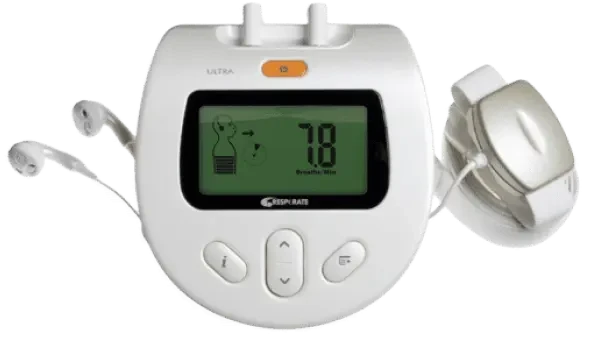
A calm bedtime routine is one simple step toward a heart-healthy day. RESPeRATE is an FDA-cleared device clinically shown to lower blood pressure through device-guided slow breathing. It works alongside your physician-directed treatment plan, not instead of it. See how RESPeRATE works and whether it fits your daily routine.


 Clinically proven

 Eli




