Brian Fairchild
A customer reached out, curious about something she had heard about licorice and blood pressure, and asked us to dig in deeper for more substantial evidence. It turns out there is real evidence behind it. The research explains a connection that catches a lot of people off guard.
Licorice root has a long history as a flavoring agent and folk remedy. It has shown up in herbal teas, throat lozenges, digestive supplements, and old-fashioned black licorice candy. The compound responsible for its distinctive sweetness, glycyrrhizin, also happens to have a well-documented effect on blood pressure that goes far beyond folklore.
What Glycyrrhizin Does Inside the Body
Glycyrrhizin, also called glycyrrhizic acid, interferes with an enzyme in the kidney that normally breaks down cortisol. When that enzyme is blocked, cortisol builds up and begins acting on receptors meant for aldosterone, the hormone that controls how much sodium and water the kidneys hold onto. The result is a state researchers call pseudohyperaldosteronism: the body retains sodium, loses potassium, and blood pressure rises, even though actual aldosterone levels never change.
The Research: Even Small Daily Amounts Add Up
A 2024 randomized crossover trial from Linköping University tested a daily amount of licorice containing 100 mg of glycyrrhizic acid, the dose regulators consider likely safe for most people. Blood pressure still rose, by an average of 3.1 mmHg, and the two hormones that regulate fluid balance, renin and aldosterone, both dropped in response. The participants who reacted most strongly also gained slight weight from fluid retention.
A separate 2024 systematic review and meta-analysis pooling eight randomized controlled trials and 541 participants found that interventions built around glycyrrhizic acid raised systolic blood pressure by about 3.5 mmHg and diastolic blood pressure by about 1.3 mmHg on average. Interestingly, licorice products dominated by flavonoids rather than glycyrrhizic acid showed no significant effect on blood pressure at all, a distinction that matters when comparing different licorice supplements on the market.

Watch How Mark Lowered His Blood Pressure Naturally.
It was 150/100, this morning it was 110/79

When It Becomes a Medical Warning
The FDA has gone further than a general caution. Its 2017 consumer update warned that adults 40 and older who eat about 2 ounces of black licorice a day for two weeks or more risk developing an irregular heart rhythm, driven by the same glycyrrhizin-related drop in potassium. The agency also notes the effect can include elevated blood pressure, fluid retention, and in rare cases, congestive heart failure.
The NIH’s National Center for Complementary and Integrative Health echoes the same caution today, warning that even small amounts of glycyrrhizin can cause serious effects in people with hypertension or heart and kidney conditions.
Case reports back this up. One frequently cited example involved a woman who developed hypertension and low potassium after drinking up to six cups of licorice tea a day. Both resolved within two weeks of stopping the tea, a useful reminder that the effect is generally dose-related and reversible once the source is removed.

Watch how Julie Lowered her Blood Pressure Naturally.
It was 170/110, this morning it was 120/80
Learn More

Where Glycyrrhizin Hides, and What Doesn’t Have It
Not everything labeled “licorice” carries the same risk. A few distinctions are worth knowing:
- Black licorice candy and licorice root tea are the most common sources of meaningful glycyrrhizin intake.
- Some herbal digestive and cough supplements list licorice root as an ingredient. Check the label for glycyrrhizin or glycyrrhizic acid content.
- Many “licorice flavored” candies, especially red licorice, use anise oil instead of real licorice root and do not carry the same blood pressure risk.
- DGL, or deglycyrrhizinated licorice, is processed to remove the glycyrrhizin compound while keeping other traditional uses, making it a common alternative for people who want licorice root’s other properties without the blood pressure effect.
What This Means If You’re Watching Your Numbers
None of this means an occasional piece of licorice candy is dangerous. The takeaway is moderation, awareness, and a little extra caution for certain groups:
- Adults 40 and older, and anyone with existing high blood pressure, heart disease, or a heart rhythm condition, should be more cautious with regular licorice intake.
- Check labels on teas and supplements for glycyrrhizin or glycyrrhizic acid rather than assuming “licorice flavored” means the same thing as real licorice root.
- If you take medications that affect potassium, such as certain diuretics, talk to your physician before making licorice tea or supplements a daily habit.
- If blood pressure readings rise unexpectedly, a recent change in diet, including herbal teas and supplements, is worth mentioning to your doctor.
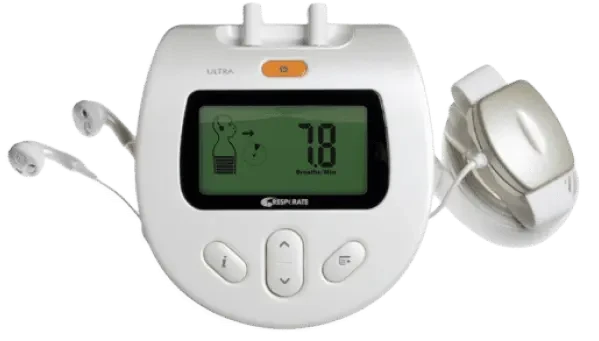
Small, everyday choices like this are part of a much bigger picture when it comes to managing your numbers day to day. RESPeRATE is FDA-cleared and clinically shown to lower blood pressure, designed to be used daily as part of your overall health program alongside your physician-directed treatment plan.

 Clinically proven

 Eli
Eli