
 Brian Fairchild

Blood pressure in winter often runs a little higher than in summer. Cold air, sudden weather changes, and holiday habits all play a part. For most people, the change is small. Still, it can push some readings too high. Here is what the research shows and how to stay safe.
Why Blood Pressure in Winter Tends to Rise
According to Mayo Clinic, cold weather causes blood vessels to narrow for a while. Then the heart has to push harder to move blood through them, and blood pressure goes up.
Sudden weather shifts can matter, too. Mayo Clinic notes that a storm or weather front may affect blood pressure. In addition, changes in humidity, air pressure, cloud cover, and wind may cause a similar response.
Winter habits also play a role. For example, Mayo Clinic points to weight gain, saltier holiday meals, and less activity when it is cold outside.
How Big Is the Winter Rise?
In 2023, researchers presented a study at an American Heart Association meeting. They reviewed health records for 60,676 adults treated for high blood pressure. In winter, systolic pressure ran up to 1.7 mm Hg higher than in summer.
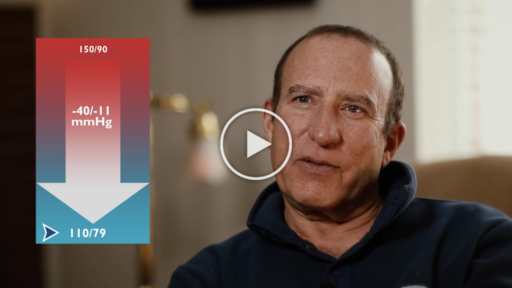
Watch How Mark Lowered His Blood Pressure Naturally.
It was 150/100, this morning it was 110/79
That sounds small. However, the share of people with blood pressure under control fell by up to 5 percent in winter. Keep in mind that this was early research presented at a meeting, not yet a full published paper.
Who Is Most Affected?
Weather-related blood pressure changes are more common in people ages 65 and older, says Mayo Clinic. People with high blood pressure also have more reason to watch blood pressure in winter.
Snow Shoveling and Your Heart
Above all, shoveling snow deserves special care. According to the American Heart Association, cold temperatures may raise blood pressure while narrowing the arteries that feed the heart. In fact, heavy shoveling may be as demanding on the heart as a treadmill stress test, or more so.
The AHA says the risk is higher if you have high blood pressure, diabetes, high cholesterol, or obesity. It is also higher if you smoke, are not very active, or have had a heart attack or stroke. Here is its advice:
- Take it easy, and take short breaks.
- Push the snow instead of lifting and throwing it.
- Stop right away if you feel chest pain or pressure, lightheadedness, or a racing heartbeat.
- Call 911 if those symptoms do not ease soon after you stop.
People who have had heart bypass surgery or angioplasty should not shovel snow at all, the AHA adds.
Tips for Managing Blood Pressure in Winter
- Check your blood pressure in winter at home, and track your readings as the seasons change.
- Tell your doctor about any big changes. Mayo Clinic notes that you might need a different dose or medicine.
- Never change your medicine on your own.
- Stay active indoors. For example, our guide to isometric exercise for blood pressure shows simple moves you can do at home.
- Go easy on salty holiday foods. The AHA recommends no more than 2,300 mg of sodium a day. Its ideal goal is 1,500 mg for most adults.
- Watch for winter weight gain. Read how extra weight raises blood pressure.
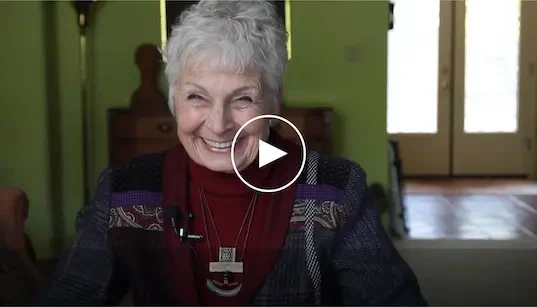
Watch how Julie Lowered her Blood Pressure Naturally.
It was 170/110, this morning it was 120/80
Learn More

Researchers in the AHA study also suggested regular monitoring, plus better activity and eating habits, during the winter months.
When a Winter Reading Is Too High
However, some readings need care right away. According to Mayo Clinic, a reading of 180/120 mm Hg or higher is a hypertensive crisis. If you have no symptoms, relax for a few minutes and check again. Then, if it is still that high, get medical care.
Call 911 if a reading that high comes with chest pain, shortness of breath, or signs of stroke. Those signs include numbness, trouble walking or speaking, and vision changes.
How to Lower Blood Pressure Naturally
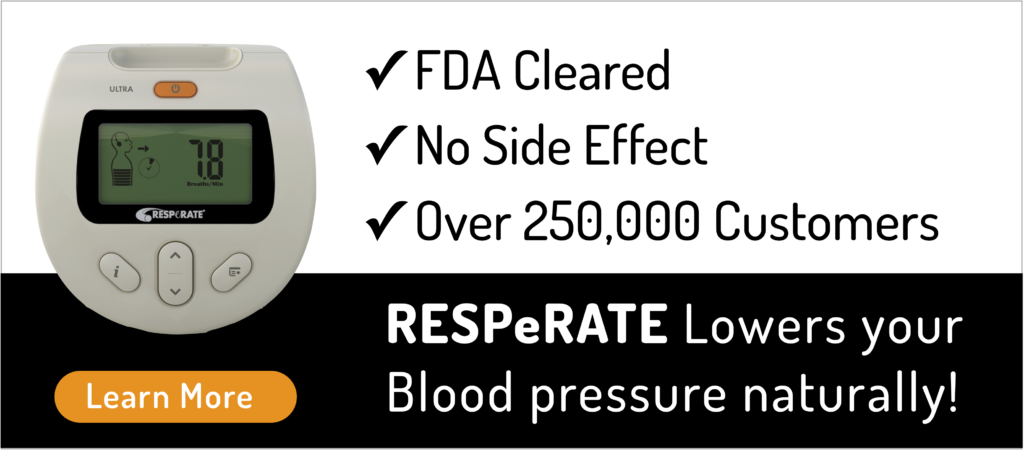
Keeping an eye on blood pressure in winter is one simple step toward a heart-healthy season. RESPeRATE is an FDA-cleared device clinically shown to lower blood pressure through device-guided slow breathing. It works alongside your physician-directed treatment plan, not instead of it. See how RESPeRATE works and whether it fits your daily routine.


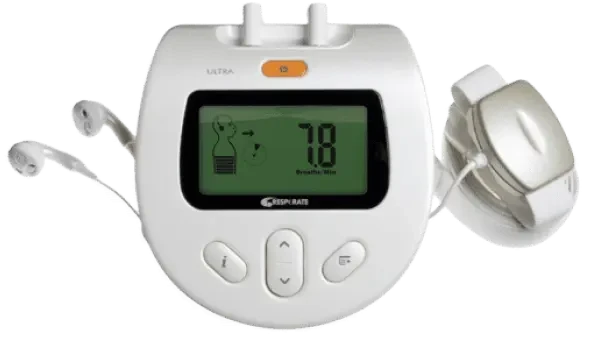
 Clinically proven

 Eli





Comments