
 Brian Fairchild

Mindfulness for insomnia is a newer option for people who lie awake at night. One program, called mindfulness-based therapy for insomnia (MBTI), blends meditation with standard sleep techniques. A 2021 trial tested it in older adults with sleep problems. Here is what it found and what it did not.
Why Look Beyond Standard Insomnia Treatment?
Cognitive behavioral therapy for insomnia, or CBT-I, is a frontline treatment. Still, it does not work for everyone. A National University of Singapore news release says up to 40 percent of patients get no relief from it.
Access can be hard, too. The release notes that CBT-I is usually one-on-one, and few providers offer it, so wait times can be long. For that reason, researchers wanted to test a group program that could reach more people.
What Is Mindfulness for Insomnia?
According to study author Julian Lim, insomnia has a strong link to hyperarousal. In other words, the body fails to switch off its “fight-or-flight” system at bedtime. Mindfulness for insomnia aims to calm that state.
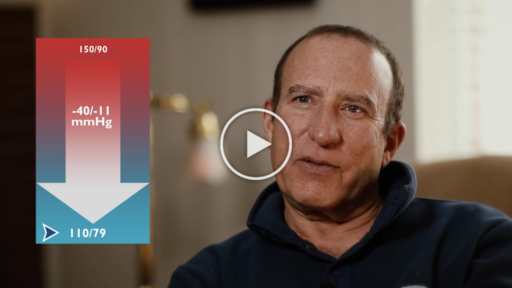
Watch How Mark Lowered His Blood Pressure Naturally.
It was 150/100, this morning it was 110/79
The program combines CBT-I techniques with mindfulness practice. In this trial, it ran as 8 weekly group classes of 2 hours each.
What the Trial Found
The trial in Psychological Medicine enrolled 127 adults ages 50 to 80 in Singapore. All of them had trouble falling asleep, staying asleep, or getting enough sleep. Of them, 65 took MBTI, and 62 took a sleep hygiene, education, and exercise program instead.
Both groups slept better on a standard sleep quality survey. However, MBTI cut insomnia symptoms more than the comparison program did. MBTI participants also spent a little less time awake at night on wrist monitors and sleep tests.
What the Trial Did Not Show
The details matter here. On the wrist monitors and sleep tests, the gap between the two groups was not significant. Also, total sleep time rose by about the same amount in both groups.
The trial had other limits. Participants knew which program they were in, and follow-up lasted only 6 months. In addition, the study did not compare MBTI directly with CBT-I. So the authors see MBTI as an option for people who did not respond to CBT-I or lack access.
Is Mindfulness for Insomnia Safe?
No one in the trial had side effects from mindfulness for insomnia or the comparison program. More broadly, the NCCIH says meditation usually carries few risks. Still, it notes that a small share of people report negative effects, most often anxiety or depression.
Watch how Julie Lowered her Blood Pressure Naturally.
It was 170/110, this morning it was 120/80
Learn More

So talk with your doctor if sleep problems last for weeks. Most important, do not stop any treatment without your doctor.
Where Mindfulness Fits in Your Sleep Plan
Mindfulness for insomnia is one tool to discuss with your doctor. For more ways to sleep better, see our guide on how to beat insomnia. To learn how poor sleep affects your numbers, read what insomnia does to your blood pressure. You can also try simple meditation for stress at home.
How to Lower Blood Pressure Naturally
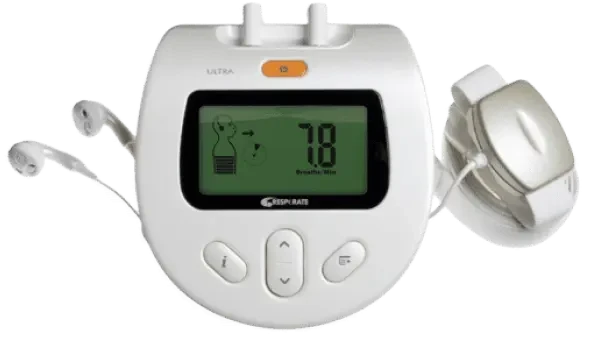
A calm bedtime routine is one simple step toward a heart-healthy day. RESPeRATE is an FDA-cleared device clinically shown to lower blood pressure through device-guided slow breathing. It works alongside your physician-directed treatment plan, not instead of it. See how RESPeRATE works and whether it fits your daily routine.


 Clinically proven

 Eli





Comments