
 Brian Fairchild

These nine evidence-based steps can help you beat insomnia. Insomnia means trouble falling asleep, staying asleep, or sleeping well. For some people, it lasts only a few days or weeks. When it happens three or more nights a week, lasts more than three months, and is not fully explained by another health problem, the National Heart, Lung, and Blood Institute (NHLBI) calls it chronic insomnia.
Sleep aids are common. In a 2022 survey of 2,010 U.S. adults by the American Academy of Sleep Medicine, 64% said they use something, occasionally or regularly, to help them fall or stay asleep. Melatonin was the most common single type at 27%, followed by prescription medicines at 23% and marijuana or CBD at 20%.
Doctors recommend a different place to start. The American College of Physicians (ACP) recommends cognitive behavioral therapy for insomnia, or CBT-I, as the first-line treatment for adults with chronic insomnia. Tip 9 explains how it works. The first eight steps are habits you can start tonight, and several of them, like the bed rules in Tip 2, are also parts of CBT-I.
Why It Matters to Beat Insomnia
Sleep affects far more than your energy the next day. The CDC recommends 7 or more hours a night for adults ages 18 to 60. It also lists high blood pressure and heart disease among the chronic conditions that enough sleep may help lower your risk of. The NHLBI adds that chronic insomnia is linked to a higher risk of high blood pressure, along with other health problems.
For a deeper look at this link, read our post on what lying awake does to your blood pressure.
Nine Steps to Beat Insomnia
Start with one or two changes rather than all nine at once. Then add more as each one becomes a habit.
Tip 1: Wake Up at the Same Time Every Day
The NHLBI advises going to sleep and waking up around the same time every day, even on weekends. Mayo Clinic adds that you should not change your wake-up time, which makes you more tired the next night.
Tip 2: Use Your Bed Only for Sleep and Sex
Mayo Clinic recommends using the bed only for sleep and sex. So skip working, scrolling, or watching TV in bed. This approach is called stimulus control, and the NHLBI lists it as one part of CBT-I.
What if you lie awake? If you cannot fall asleep within 20 minutes, get up. Do not go back to bed until you feel sleepy.
Tip 3: Keep Your Bedroom Cool, Quiet, and Dark
The NHLBI recommends sleeping in a cool, quiet, dark place. Blackout curtains, a sleep mask, or earplugs are simple ways to get there.
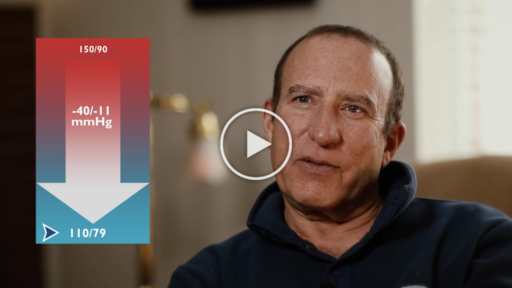
Watch How Mark Lowered His Blood Pressure Naturally.
It was 150/100, this morning it was 110/79
For more ideas, our post on proven techniques for deeper sleep covers bedroom darkness and background sound.
Tip 4: Put Screens Away Before Bed
Phones, tablets, and TVs all give off light. According to the NHLBI, that light can disrupt your sleep-wake cycle. Instead, try a quiet, screen-free routine, such as reading a paper book.
Tip 5: Cut Back on Caffeine, Nicotine, and Alcohol
The NHLBI advises avoiding caffeine, nicotine, and alcohol close to bedtime. Alcohol can look like a shortcut to sleep, but the NHLBI notes that it can cause lighter sleep than normal. As a result, you are more likely to wake during the night.
For more on caffeine timing, read How Caffeine Affects Your Sleep.
Tip 6: Time Your Workouts and Meals
The NHLBI recommends getting your daytime activity at least 5 to 6 hours before bed, because exercising close to bedtime can make it harder to fall asleep. It also advises eating meals on a regular schedule and avoiding late-night dinners.
Tip 7: Skip Daytime Naps
A nap can feel like a fix after a bad night. However, the NHLBI recommends avoiding naps, especially in the afternoon, and says this may help you sleep longer at night.
Tip 8: Calm Your Mind Before Bed
Worry can keep you awake. Mayo Clinic notes that relaxation techniques help calm your mind and body, and it lists meditation, imagery, and muscle relaxation as options. You can also try slow breathing, such as the 4-7-8 breathing technique, which takes only a few minutes.
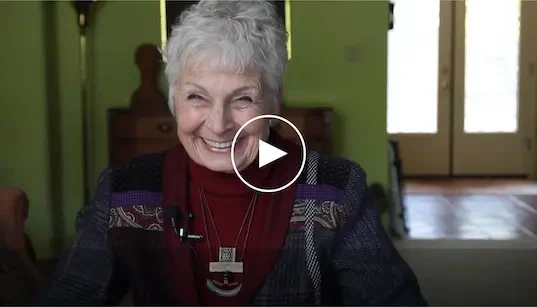
Watch how Julie Lowered her Blood Pressure Naturally.
It was 170/110, this morning it was 120/80
Learn More

Another approach is to stop trying so hard. Mayo Clinic calls it remaining passively awake. Once you are in bed, you try not to think about falling asleep, because worrying that you cannot sleep can keep you awake.
Tip 9: Ask Your Doctor About CBT-I
If poor sleep continues despite these changes, talk with your doctor. The American College of Physicians recommends cognitive behavioral therapy for insomnia (CBT-I) as the first-line treatment for adults with chronic insomnia. Mayo Clinic and the NHLBI also describe it as generally the first treatment recommended. The NHLBI describes it as a 6- to 8-week treatment plan. A doctor, nurse, or therapist can deliver it in person, by telephone, or online.
CBT-I usually combines several parts:
- Sleep education
- Stimulus control, like the bed rules in Tip 2
- Sleep restriction, which limits time in bed at first and slowly increases it as sleep improves, as Mayo Clinic describes
- Relaxation or meditation training
- Cognitive therapy, which addresses thoughts and worries about sleep
Unlike sleep medicines, CBT addresses what is causing your insomnia rather than just relieving symptoms, according to Mayo Clinic.
Medicine still has a place. If CBT-I alone does not work, ACP recommends that doctors discuss the benefits, harms, and costs of medication with you. ACP notes that FDA-approved sleep medicines are for short-term use and that sleep medications can be associated with serious adverse effects. Mayo Clinic adds that in some cases a blend of sleep medicine and CBT may be best. Do not stop or change a prescribed sleep medicine without talking to your doctor.
A Word of Caution on Sleep Aids
Sleep aids are popular, but they raise questions of their own. The NHLBI states that research has not proven melatonin is an effective treatment for insomnia. The agency adds that melatonin can also affect your body’s control of blood pressure. The FDA does not currently review dietary supplement products for safety and effectiveness before they are marketed.
Talk with your doctor before trying any sleep aid, especially if you take blood pressure medication. For a closer look at the evidence, read Natural Sleep Remedies: What the Evidence Actually Shows.
How to Lower Blood Pressure Naturally
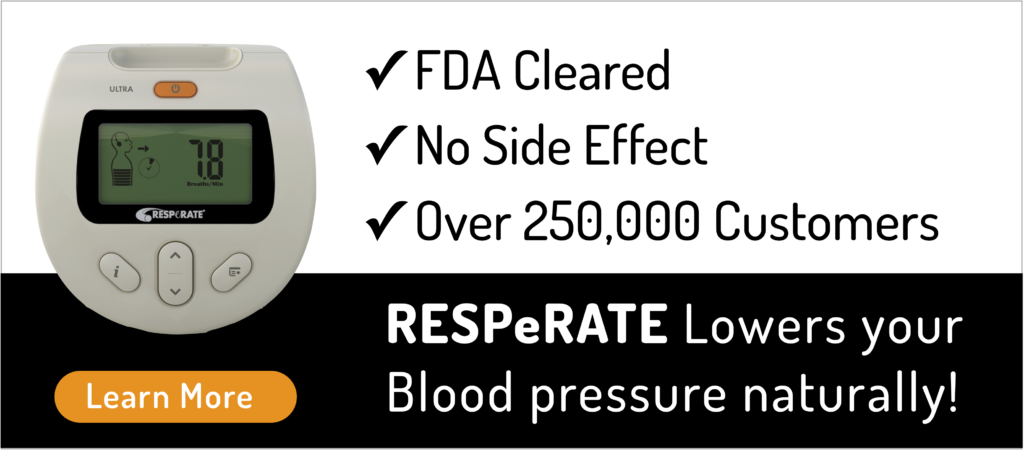
Learning to beat insomnia is one piece of a heart-healthy routine. RESPeRATE is an FDA-cleared device clinically shown to lower blood pressure through device-guided slow breathing. It works alongside your physician-directed treatment plan, not instead of it. See how RESPeRATE works and whether it fits your daily routine.


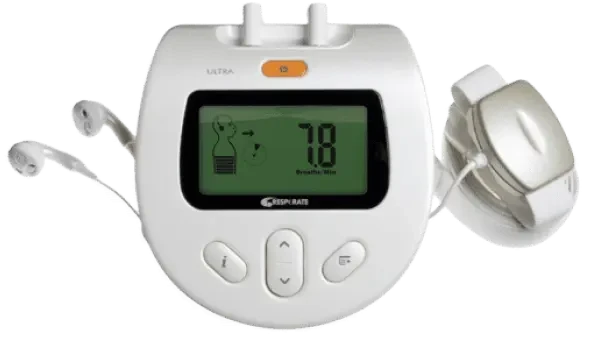
 Clinically proven


 Eli




