
 Brian Fairchild
Dr. Andrew Weil developed the 4-7-8 breathing technique by drawing on pranayama, an ancient Indian system of breathing regulation. The result is a structured pattern that calms the nervous system quickly. It requires no equipment, no cost, and less than two minutes.
The CDC reports that approximately 40 million Americans experience chronic sleep disorders each year. Another 20 million deal with occasional sleep problems. Modern life makes this worse: constant digital stimulation, artificial light after dark, and nonstop busyness all block the cues the body needs to wind down. Most people are not short on sleep advice. They lack a mechanism that actually interrupts the wired, restless state keeping them awake.
The 4-7-8 technique provides that mechanism.
Why the Exhale Is the Key
The technique works by activating the parasympathetic nervous system, the branch responsible for the “rest and digest” state. A 2018 systematic review in Frontiers in Human Neuroscience found that slow breathing promotes parasympathetic dominance through vagal activity. The researchers measured improvements in heart rate variability and a reduction in sympathetic tone.
The extended exhale drives this shift. In the 4-7-8 pattern, the exhale lasts twice as long as the inhale. That prolonged exhalation stimulates the vagus nerve directly. The vagus nerve runs from the brainstem through the chest and abdomen and carries the primary parasympathetic signals. When vagal tone increases, heart rate slows and blood pressure drops slightly.
Dr. Pradip Jamnadas, a Florida cardiologist, explains the broader mechanism: redirecting your awareness resets the nervous system, improves vagal tone, and lowers the stress hormones that keep you alert. The 4-7-8 technique initiates exactly that reset. It pairs slow exhalation with a simple cognitive anchor, giving the mind one task instead of the usual noise.
The technique also has relevance beyond sleep. People who practice consistently report lower baseline stress. The same vagal activation supports healthy blood pressure over time. This blog covers how mindfulness-based practices affect blood pressure in more depth.
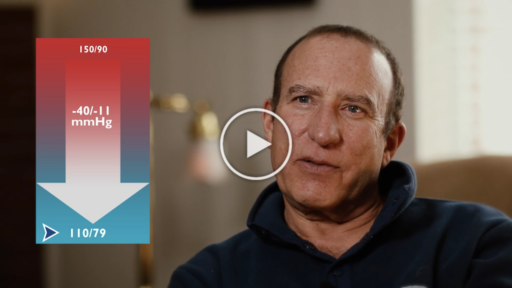
Watch How Mark Lowered His Blood Pressure Naturally.
It was 150/100, this morning it was 110/79

How to Practice the 4-7-8 Technique
Dr. Weil recommends practicing twice daily. Limit yourself to four breath cycles at a time when starting out. The ratio matters more than the pace. Hold to the 4:7:8 proportion and adjust the speed to your comfort.
Start by resting the tip of your tongue against the ridge of tissue just behind your upper front teeth. Keep it there throughout. Exhale completely through your mouth, making a quiet whoosh sound. Close your mouth and inhale through your nose for a count of four. Hold for a count of seven. Exhale fully through your mouth for a count of eight. That is one cycle. Repeat three more times.
Most people notice a shift within the first two cycles. The breath-hold creates a mild CO2 buildup that amplifies the parasympathetic response when the exhale releases. Regular practice makes the transition into a calm state faster and more pronounced.
Practice in a position where you can breathe freely: sitting upright with back support or lying flat. Doing it in bed as part of a consistent pre-sleep routine trains the association between the technique and falling asleep. That same principle applies to other sleep-preparation practices covered on this blog. Consistency of routine matters as much as the tool itself.
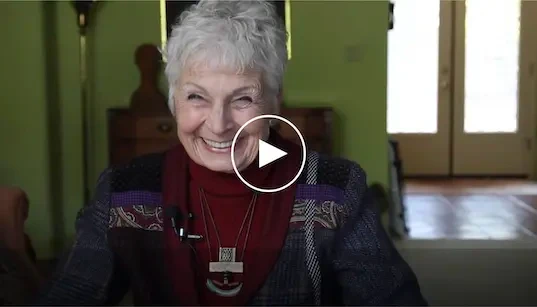
Watch how Julie Lowered her Blood Pressure Naturally.
It was 170/110, this morning it was 120/80
Learn More

What to Expect
The 4-7-8 technique does not force the body into sleep. It removes the physiological barriers that prevent sleep from arriving naturally. The mind still needs to quiet. Many people find that the breath-counting provides enough cognitive anchoring to break the loop of racing thoughts.
If the breath-hold feels uncomfortable at first, shorten the count proportionally while keeping the ratio intact. A 2:3.5:4 pattern produces the same effect at a gentler pace. Adults with respiratory conditions or breath-related anxiety should check with their physician before starting.
People who practice consistently for two weeks typically find that falling asleep becomes noticeably easier. This is especially true on nights when mental stress or overstimulation would otherwise keep them awake.
How RESPeRATE Fits In
RESPeRATE uses device-guided breathing to activate the same parasympathetic pathways as the 4-7-8 technique. The FDA cleared it for blood pressure reduction, and over 52 clinical studies support its use. Many users also report improved sleep quality as a secondary benefit. The device guides your breathing in real time. This makes the slow-exhale pattern easier to sustain for people who find self-directed counting hard to maintain.
Learn more about how it works at resperate.com.
The Bottom Line
The 4-7-8 breathing technique is one of the better-evidenced quick interventions for sleep and stress management. It takes less than two minutes, costs nothing, and works anywhere. The mechanism is clear: a prolonged exhale drives vagal activation and shifts the nervous system toward the parasympathetic state required for sleep.
Start with four cycles before bed for two weeks. The consistency is what builds the effect.

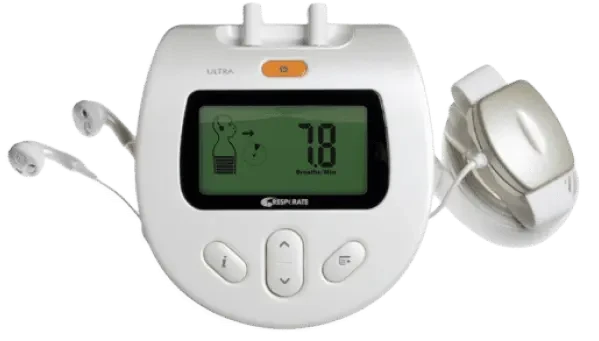
 Clinically proven

 Eli
Eli 





Comments
2 Replies to “The 4-7-8 Breathing Technique: A Simple Method for Falling Asleep Faster”
Does resperate help sleep, and how.
Hi Sylvia, RESPeRATE uses the power of therapeutic breathing to access you parasympathetic nervous system. This causes deep relaxation. So most people who use it before bedtime find they sleep much better at night. Kindest Regards, Eli.