
 Brian Fairchild
Sleep depth is not just about how long you stay in bed. It is about how well your body completes the restorative cycles that regulate blood pressure, consolidate memory, and support immune function. Fortunately, several proven techniques for deeper sleep can shift that process in your favor, without requiring major lifestyle changes. This post covers six approaches backed by research, so you can find what fits your routine.
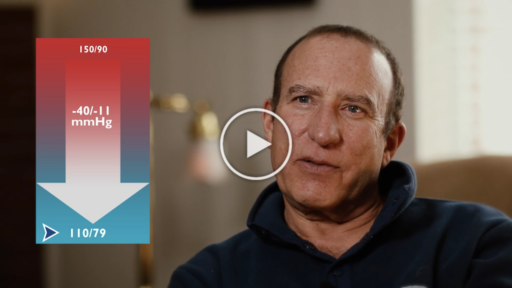
Watch How Mark Lowered His Blood Pressure Naturally.
It was 150/100, this morning it was 110/79
1. Make Your Bedroom Genuinely Dark
Light exposure at night suppresses melatonin production more dramatically than most people expect. A study published in the Journal of Clinical Endocrinology and Metabolism found that room light before bedtime delayed melatonin onset by approximately two hours in 99% of participants and reduced melatonin concentration by more than 71% during sleep hours.
The fix is straightforward: blackout curtains, a sleep mask, or both. Cover indicator lights on devices. Even small light sources in a dark room can interfere with the depth of sleep stages your body reaches.
2. The 4-7-8 Breathing Method
This technique involves breathing in through the nose for 4 seconds, holding for 7, and exhaling slowly through the mouth for 8. Repeat the cycle four to five times.
The 4-7-8 pattern activates the parasympathetic nervous system, slowing heart rate and reducing the cortisol response that keeps many people alert at bedtime. Research published via the National Library of Medicine found measurable shifts toward parasympathetic dominance in healthy adults using this breathing technique.
Consistency matters more than perfection here. Running through the cycles while lying down, before checking your phone or engaging in any stimulating activity, gives the technique its best chance.
3. Pranayama: Alternate Nostril Breathing
Alternate nostril breathing is a pranayama technique that involves closing one nostril at a time while breathing slowly through the other. A common starting point is 26 cycles through the left nostril, which is associated with a calming, rest-oriented response.
Studies examining pranayama breathing and sleep quality have shown improvements in subjective sleep scores, sleep onset latency, and nighttime waking. A 2026 review published in BioMed Central found significant benefits of pranayama interventions on sleep quality across multiple populations.
This approach pairs well with the 4-7-8 method. Some people use pranayama first to calm baseline arousal, then transition to 4-7-8 as they settle into bed.
4. Mindfulness Meditation
Mindfulness meditation involves sustained, non-judgmental attention to breath and bodily sensations. A randomized controlled trial published in JAMA Internal Medicine found that mindfulness-based stress reduction improved sleep quality significantly more than sleep hygiene education alone in older adults with moderate sleep disturbance.
You do not need 30 minutes to see benefit. Even 10 minutes of focused breath awareness before bed can reduce the mental chatter that extends sleep onset. The goal is not to empty your mind but to notice thoughts and return attention to the breath without engaging them further.
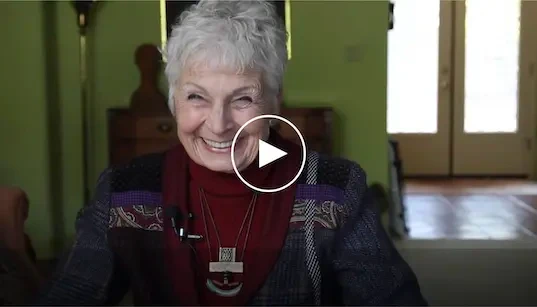
Watch how Julie Lowered her Blood Pressure Naturally.
It was 170/110, this morning it was 120/80
Learn More

5. Ambient Sound Instead of Silence
Complete silence can make falling asleep harder for some people. The brain, in the absence of sound, tends to amplify minor noises or internal sensations that become distracting.
Steady ambient sound, such as a fan or a low-volume rain track, provides a consistent audio backdrop that reduces the contrast when small sounds occur. A systematic review on auditory stimulation and sleep, indexed in PubMed, found that continuous background sound is widely used without evidence of harm at moderate volume. The review recommended low volume and timer use rather than all-night exposure.
A simple box fan on low, positioned away from the bed, is an inexpensive starting point.
6. Lavender Aromatherapy
Lavender is one of the more studied essential oils for sleep. A systematic review and meta-analysis published in PubMed pooled data from 23 studies involving 763 participants and found a significant effect size of 1.03 for aromatherapy on sleep quality. Inhalation was the primary method studied, with an effect size of 0.77.
A few drops on a diffuser or a sachet near the pillow are the most practical approaches. Lavender oil concentration matters: undiluted oil applied directly to skin can cause irritation, so diffusion or a carrier-oil dilution is preferred.
Finding What Works for You
No single technique works universally. Sleep architecture varies by individual, and what shifts one person from light to deep sleep may have little effect on another. The value of having a set of techniques is that you can layer them and observe what combination produces the most consistent results for you.
If sleep problems are persistent or significantly affect daily function, a physician can evaluate for underlying causes. Poor sleep and elevated blood pressure often appear together. For more on why sleep depth matters for cardiovascular health, see our post on how sleep schedule affects blood pressure.
Where RESPeRATE Fits
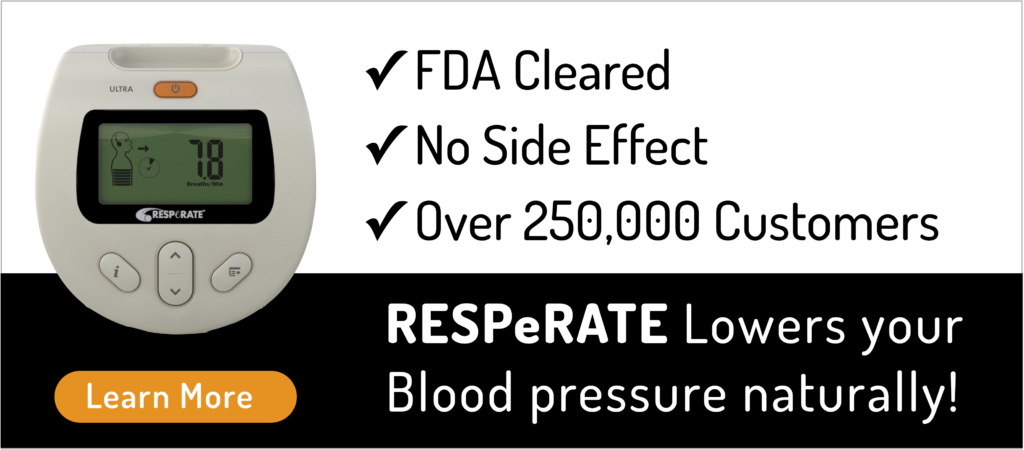
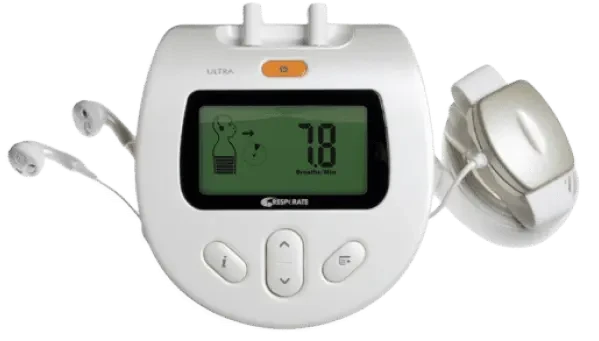
Device-guided slow breathing works through a mechanism that overlaps with the breathing techniques described above. RESPeRATE uses musical tones to guide users into a slowed breathing pattern shown to reduce peripheral vascular resistance and lower blood pressure. It is the only FDA-cleared non-drug device clinically proven to lower blood pressure. For people managing both sleep quality and blood pressure, the same evening breathing routine can address both. Review the full evidence at our clinical proof page.
RESPeRATE works alongside your physician-directed treatment plan as part of your overall health program.
Summary
Deeper sleep is accessible through behavioral and environmental changes that do not require medication or expensive equipment. A dark room, a brief breathing practice, mindfulness attention, and a consistent pre-sleep environment address the mechanisms that most often interfere with sleep depth. Start with one technique, run it for a week, then add a second. The evidence supports each of these approaches individually. Combined thoughtfully, they give your body the conditions it needs to do what it already knows how to do.


 Clinically proven

 Eli
Eli 





Comments
2 Replies to “Unlock Deeper Sleep Tonight with These Proven Techniques”
I have the Resperate that I used only one time as it made me lightheaded! My breathing was difficult to keep up with the machine. What should I do?
Hi Anita, Please email us at support@resperate.com so we can help you. Kindest Regards.