
 Brian Fairchild

Poor sleep and high blood pressure share a well-documented relationship. Each night of insufficient or disrupted sleep impairs the overnight blood pressure dip, elevates morning cortisol, and keeps the sympathetic nervous system more active through the following day. For more on how that overnight cardiovascular process works, see our post on blood pressure during sleep. Sleep problems affect between 50 and 70 million adults in the United States, according to the American Sleep Association. For people managing blood pressure, addressing sleep quality is a cardiovascular priority, not just a lifestyle preference.
The causes of poor sleep are varied and complex. Stress, anxiety, physical discomfort, environmental disruption, and circadian rhythm irregularities all contribute. The natural and behavioral approaches below address different parts of that picture. Each one carries clinical evidence at different levels of strength, and understanding which evidence is strongest matters for making good decisions.
It was 150/100, this morning it was 110/79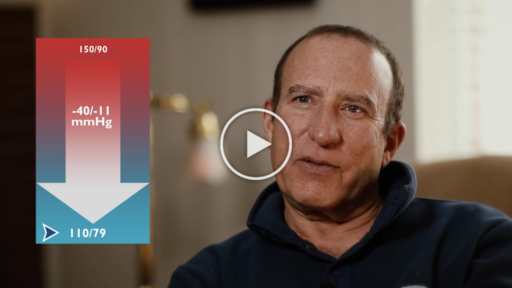
Watch How Mark Lowered His Blood Pressure Naturally.
Cognitive Behavioral Therapy for Insomnia
The most strongly supported treatment for chronic insomnia is not a supplement. It is cognitive behavioral therapy for insomnia, known as CBT-I. Two major clinical practice guidelines and the National Center for Complementary and Integrative Health all identify CBT-I as the first-line recommended approach for chronic insomnia. CBT-I addresses the thought patterns and behavioral habits that sustain insomnia rather than just treating symptoms. It covers sleep restriction therapy, stimulus control, sleep hygiene education, and cognitive restructuring.
A JAMA Internal Medicine study followed adults with moderate sleep problems. Half worked through a mindfulness awareness program including meditation and other exercises. The other half attended a sleep education class. At the end, the mindfulness group showed significantly less insomnia, fatigue, and depression. Mindfulness-based interventions now appear across multiple sleep guidelines as a component of CBT-I programs, particularly for people whose insomnia reflects anxiety or chronic stress. For more on the blood pressure implications of mindfulness practice, see our post on mindfulness meditation and hypertension.
Melatonin
Melatonin is a hormone the brain produces in response to darkness. It plays a central role in regulating the sleep-wake cycle. Melatonin supplements help people fall asleep faster and can help adjust circadian rhythms. The evidence for melatonin is strongest for sleep problems related to jet lag and shift work rather than chronic insomnia. Two clinical practice guidelines from 2017 and 2019 recommended against using melatonin specifically for chronic insomnia, though many clinicians still use it in practice for short-term sleep onset support.
The effective dose is lower than most over-the-counter products suggest. Research supports starting with 0.5 to 3 milligrams taken one to two hours before the intended bedtime. Taking too high a dose or taking it too late can disrupt sleep rather than support it. Age, illness, and other factors reduce natural melatonin production. This is why supplementation shows the most consistent benefit in older adults.
One safety note worth knowing: a 2024 report from the NCCIH estimated that from 2019 to 2022, approximately 11,000 emergency department visits involved unsupervised melatonin ingestion by children aged 5 and under. Keep melatonin supplements in a secured location, well out of reach of children.
Valerian Root
Valerian root has a long history of use as a calming and sleep-promoting herb. It appears to work through modulation of GABA receptors in the brain, similar in mechanism to some prescription sleep aids. Many people report improved subjective sleep quality with valerian use. It is generally considered safe for short-term use. For a dedicated review of valerian and what the research shows, see our post on valerian root for sleep.
The clinical evidence is more mixed than its popularity suggests. A 2024 literature review in Psychiatry Investigation concluded that while some supplements including valerian show promise for sleep quality, the objective evidence from sleep studies does not consistently match the subjective improvements people report. Valerian is a reasonable option for people looking to support sleep naturally, with realistic expectations about the evidence base.
One important safety note: valerian has links to rare but serious liver-related side effects in some reports. Discuss its use with your physician before starting, particularly if you take other medications.
Acupuncture
Acupuncture has accumulated meaningful clinical evidence for insomnia over the past decade. A 2021 systematic review and meta-analysis in Sleep Medicine found that acupuncture appeared effective in reducing insomnia severity across multiple outcome measures. A 2025 structured narrative review in PMC, covering studies through June 2025, identified acupuncture as showing clinical efficacy for insomnia through mechanisms including modulation of cortisol, GABA, and heart rate variability. The evidence for acupuncture is more consistent than for most herbal supplements, though less established than for CBT-I.
It was 170/110, this morning it was 120/80
Watch how Julie Lowered her Blood Pressure Naturally.


Sleep Hygiene as a Foundation
Behavioral sleep hygiene practices provide the foundation that all other interventions build on. Several specific practices carry strong evidence.
Consistent sleep and wake times
The body’s internal clock responds to regularity. Irregular schedules fragment sleep architecture over time. Going to sleep and waking at the same time every day, including on weekends, is one of the most effective and cost-free interventions available.
Limiting evening light exposure
Blue-spectrum light from phones, tablets, and televisions suppresses melatonin production and delays sleep onset. Dimming lights and avoiding screens in the hour before bed creates the light environment the brain needs to begin the sleep transition.
Bedroom environment
Core body temperature drops as part of sleep onset, and a cooler room facilitates that drop. Keeping the bedroom cool, dark, and quiet supports the conditions sleep requires. Blackout curtains and white noise address light and sound disruption respectively.
Caffeine timing
Caffeine has a half-life of approximately five to six hours in most adults. A cup of coffee at 3pm still carries meaningful stimulant effects at 9pm for many people. Limiting caffeine to the morning removes a common arousal contributor in the hours before bed.
Other natural supplements worth knowing
The 2024 Psychiatry Investigation review also found emerging evidence for magnesium, tart cherry, and L-theanine as sleep-supportive supplements. For a dedicated look at one of the most mechanistically specific options available, see our post on glycine and sleep, which works through the body’s own thermoregulatory mechanism rather than through sedation. For a broader look at herbs and seeds with documented cardiovascular effects, see our post on surprising benefits of herbs and seeds for hypertension management.
The Blood Pressure Connection
Better sleep produces direct cardiovascular benefits for people managing blood pressure. The overnight blood pressure dip, a 10 to 20 percent reduction that healthy sleep delivers, depends on the nervous system genuinely transitioning to parasympathetic dominance. Poor sleep quality disrupts that transition, impairs the dip, and elevates next-day blood pressure and cardiovascular reactivity. For more on what happens during that overnight window, see our post on deep sleep and blood pressure.
How to Lower Blood Pressure Naturally
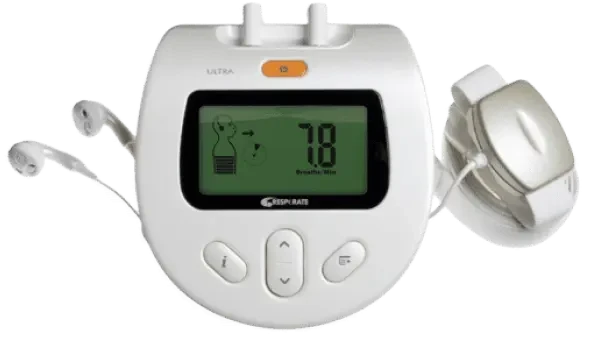
RESPeRATE directly supports the parasympathetic transition that better sleep depends on. Device-guided slow breathing with prolonged exhalation shifts the nervous system from sympathetic to parasympathetic mode. Used before bed, it supports the pre-sleep wind-down that blood pressure recovery depends on. It is the only FDA-cleared non-drug device clinically proven to lower blood pressure. Use it as part of your overall health program alongside your physician-directed treatment plan. Review the full evidence at our clinical proof page.

 Clinically proven


 Eli





Comments