
 Brian Fairchild
Glycine is a non-essential amino acid the body produces on its own, primarily in the liver and kidneys. Most people have never considered it as a sleep aid. Yet the clinical evidence behind it is more specific and more mechanistically interesting than the general supplement market suggests. Three grams taken before bed works through a documented biological pathway. It reduces time to sleep onset and improves daytime alertness after sleep restriction, without causing next-day sedation. That combination is unusual in the supplement category.
This post covers what glycine does in the body, what the clinical evidence shows, how to use it practically, and where to find it in food. For context on how sleep quality connects to blood pressure, see our article on blood pressure during sleep.
It was 150/100, this morning it was 110/79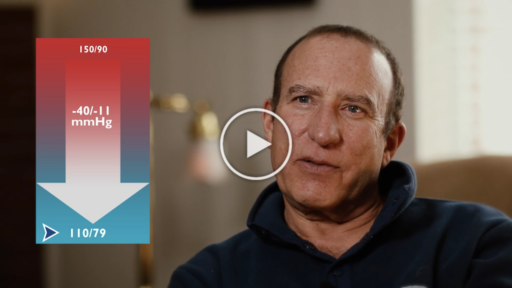
Watch How Mark Lowered His Blood Pressure Naturally.
What Glycine Does in the Brain at Night
Glycine acts as an inhibitory neurotransmitter in the central nervous system. At night, it works through a specific pathway involving the suprachiasmatic nucleus, the brain region that governs circadian rhythm. Glycine acts as a co-agonist at NMDA receptors in this region. This promotes peripheral vasodilation, meaning the blood vessels near the skin widen. The widening draws heat away from the body core and lowers core body temperature. A dropping core body temperature is one of the primary signals the brain uses to initiate and sustain sleep.
This thermoregulatory mechanism is distinct from how melatonin works and from how sedative medications work. Glycine does not cause sedation. It facilitates the natural temperature drop that sleep onset depends on. That is why it does not leave users feeling groggy the following day.
Glycine also influences serotonin pathways in ways that support melatonin production. It carries inhibitory effects on the neurons that promote wakefulness. Together these mechanisms explain why clinical studies show both faster sleep onset and more time in restorative sleep stages.
What the Clinical Evidence Shows
A 2024 systematic review published in Nutrients examined the full body of human evidence on glycine and sleep. Researchers confirmed that glycine supplementation improves subjective sleep quality, reduces daytime sleepiness, and enhances next-day cognitive performance. The authors identified the thermoregulatory mechanism as the primary pathway.
The foundational clinical trial was a randomized single-blinded placebo-controlled crossover study. Researchers gave three grams of glycine to volunteers with consistently poor sleep within one hour of bedtime. Results showed improved subjective sleep quality and shorter sleep onset latency measured by polysomnography compared to placebo. Each participant served as their own control, which strengthens the finding despite the small sample size.
A subsequent randomized double-blind placebo-controlled trial enrolled 48 healthy adults during partial sleep restriction. Participants slept only five hours but took three grams of glycine before bed. Compared to placebo, they showed significant improvements in next-day alertness, attention, working memory, and reaction time. Glycine also enhanced sleep efficiency and increased time in deeper sleep stages during the restricted period.
One honest note on the evidence: glycine sleep studies have generally been small and short-term. A 2025 clinical review noted that larger, longer-term randomized controlled trials would strengthen the evidence base. The existing evidence is promising and mechanistically coherent. However, glycine has not yet accumulated the same volume of large-scale trials as some other sleep interventions. That context is worth understanding before starting supplementation.
How to Use Glycine for Sleep
The dose across clinical studies is consistently three grams taken within one hour of bedtime. Glycine powder dissolves easily in water and carries a naturally mild sweet taste, making it one of the more palatable options in this supplement category. Capsule form is also widely available.
Taking glycine consistently over several nights produces better results than a single dose. The thermoregulatory effects are real, but the body may take a few nights to show the full subjective improvement. Staying hydrated supports the peripheral vasodilation mechanism.
Unlike melatonin, glycine does not appear to suppress natural melatonin production with consistent use. Unlike sedating supplements or benzodiazepine-class medications, glycine carries no meaningful next-day sedation and no documented dependence risk at the studied dose. As with any supplement, discuss with your physician before starting, particularly if you take other medications or have conditions affecting amino acid metabolism.
It was 170/110, this morning it was 120/80
Watch how Julie Lowered her Blood Pressure Naturally.


Food Sources of Glycine
Glycine is the most abundant amino acid in collagen. It appears in significant quantities in animal connective tissue as a result. Several foods provide meaningful amounts.
Bone broth
Bone broth is the richest culinary source of glycine. Simmering animal bones for several hours releases gelatin and the amino acids it contains, including a substantial glycine contribution. Consuming bone broth as part of an evening routine is the most practical dietary approach for people targeting sleep benefit.
Fish and poultry
Skin-on fish, chicken skin, and pork skin are all meaningful glycine sources. Fish like salmon and tuna provide glycine alongside omega-3 fatty acids, which carry their own documented benefits for reducing inflammation and supporting sleep quality.
Eggs and plant sources
Eggs, particularly egg whites, provide glycine alongside other amino acids. Among plant sources, spinach, kale, and soybeans contain glycine in smaller but still meaningful quantities. Obtaining the clinical sleep dose of three grams from food alone requires fairly large quantities of collagen-rich foods. For people targeting the studied dose reliably, supplementation delivers more consistency than diet alone.
The Blood Pressure Connection
Poor sleep independently raises blood pressure. It impairs the overnight blood pressure dip, elevates morning cortisol, and increases sympathetic nervous system activity through the day. Glycine’s mechanism involves peripheral vasodilation and a reduction in the neural arousal that delays sleep onset. Both effects are cardiovascularly relevant. Improving sleep quality and reducing nighttime sympathetic overactivation both support healthier blood pressure patterns. For more on the overnight cardiovascular implications, see our post on deep sleep and blood pressure.
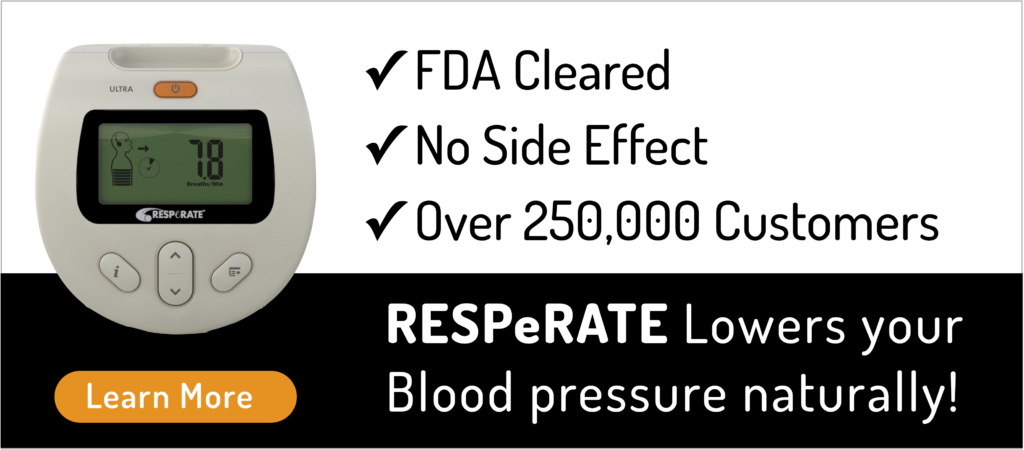
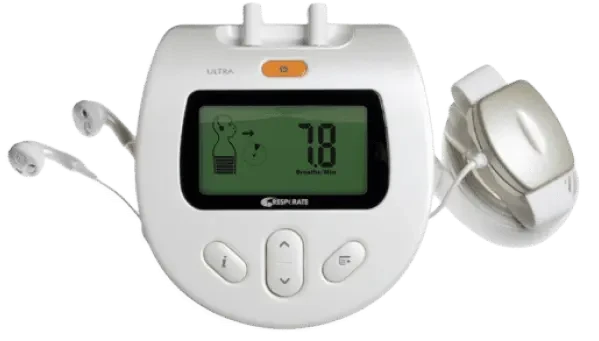
RESPeRATE works through a complementary pathway. It guides slow breathing with prolonged exhalation, shifting the nervous system from sympathetic to parasympathetic mode before and during sleep. Glycine supports the thermal and neurotransmitter conditions for sleep onset. RESPeRATE calms the sympathetic nervous system. Together these approaches address different biological entry points to the same goal: better sleep and lower blood pressure. RESPeRATE is the only FDA-cleared non-drug device clinically proven to lower blood pressure. Use it as part of your overall health program alongside your physician-directed treatment plan. Review the full evidence at our clinical proof page.
Summary
Glycine is a non-essential amino acid with a specific and documented mechanism for improving sleep quality. It works by lowering core body temperature through peripheral vasodilation, facilitating the natural thermal conditions that sleep onset requires. Three grams taken before bed reduces sleep onset latency, improves sleep efficiency, and enhances next-day alertness without causing sedation. A 2024 systematic review in Nutrients confirmed these effects across multiple human studies. For people experiencing poor sleep quality, glycine represents one of the better-evidenced and better-tolerated options in the supplement category. For people managing blood pressure, improving sleep quality is also a direct cardiovascular intervention.


 Clinically proven

 Eli
Eli 




Comments