
 Brian Fairchild
CBD oil and blood pressure have become linked topics as more people look for natural options beyond medication. Hypertension affects millions of people, and doctors still rely mainly on prescription drugs and lifestyle changes. However, interest in natural, complementary approaches keeps growing. Cannabidiol, or CBD, a compound found in the cannabis plant, has drawn attention from researchers studying blood pressure. Could this plant-derived compound offer a helpful addition for people working to manage hypertension?
Interest in CBD and cardiovascular health has grown alongside broader research into the compound. As people look for holistic approaches to health, they often ask whether CBD’s benefits extend beyond blood pressure alone. This article reviews the current research on CBD oil and hypertension, including both encouraging findings and real limitations.
It was 150/100, this morning it was 110/79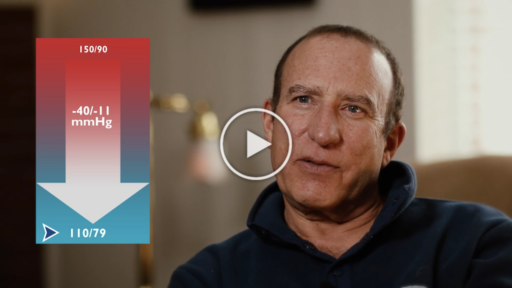
Watch How Mark Lowered His Blood Pressure Naturally.

What the Research Shows About CBD and Blood Pressure
For years, researchers debated whether marijuana affects the cardiovascular system, and most early studies focused on THC rather than CBD. In 2017, researchers from the University of Nottingham, Royal Derby Hospital Centre, and the Oxford Centre for Diabetes, Endocrinology and Metabolism ran a small but notable study. They wanted to know whether CBD could lower blood pressure in humans, not just in animal models.
Nine healthy male volunteers received either 600 mg of CBD or a placebo in a randomized, double-blind, crossover design. Researchers tracked cardiovascular changes using a finometer and laser Doppler equipment. On average, participants who took CBD saw their resting blood pressure drop by about 6 mmHg. The effect was even more noticeable under stress, particularly cold stress, when CBD blunted the usual blood pressure spike.
The study’s authors linked these effects to CBD’s anti-anxiety and pain-relieving properties, along with possible direct effects on the cardiovascular system. They also noted that researchers need more evidence before they can consider CBD a treatment for cardiovascular conditions like hypertension.
The same research team also explored CBD’s role as a natural vasodilator. Widening blood vessels allows blood to flow more easily and can ease pressure on artery walls. The authors also pointed out that few other studies had measured CBD’s effects on resting blood pressure or continuous stress response this closely.
This stress connection matters because long-term stress strongly raises the risk of cardiovascular disease. Social isolation, low income, depression, and a stressful work or family life all raise the risk of heart disease and can speed up existing conditions. Anger and chronic stress, for example, are known to spike blood pressure in the moment and add up over time. European cardiovascular prevention guidelines specifically call out stress management as a priority alongside diet and exercise. Mental stress can even trigger reduced blood flow to the heart in people with existing coronary artery disease, partly because of stress hormones such as catecholamines.
What Is CBD?
So what exactly is CBD? Cannabidiol is one of the most common compounds in the cannabis plant. Unlike its better-known relative, tetrahydrocannabinol (THC), CBD is not psychoactive. In other words, CBD will not get you high. It still affects the body, but it does not produce the intoxicating effects associated with THC.
For decades, medical researchers and the public largely overlooked CBD because psychoactive cannabis got most of the attention. Today, growing interest in CBD’s potential has brought it into mainstream conversations about health. Preclinical research spanning several decades suggests CBD may have anti-hypertensive properties, though human research remains limited.
Potential Health Benefits Under Research
Beyond blood pressure, researchers continue to study CBD’s potential role in several other areas of health. The same 2017 study noted that CBD already has a role in specific multiple sclerosis and epilepsy treatments. Those uses typically involve prescription formulations, not over-the-counter CBD oil. Early research is also looking into CBD’s potential for pain, anxiety, and inflammation, but most human studies remain small. Because research in this area is still developing, anyone considering CBD for a specific health condition should talk with their doctor first.
Possible Side Effects
Like any compound, CBD comes with possible side effects worth knowing about. Tiredness is one of the most common, though some people specifically use CBD for that reason, since it may help with sleep. Because prescription sleep aids carry a risk of dependence and next-day grogginess, some people prefer a non-habit-forming option.
CBD can also reduce the activity of T and B cells, which are part of the immune system. In theory, that immune effect could affect the body’s ability to fight tumor growth or worsen certain conditions such as asthma, so this trade-off deserves caution. CBD may also decrease the activity of liver enzymes known as cytochrome P450, which metabolize more than 60 percent of prescription drugs. Other reported effects include mild low blood pressure, dry mouth, lightheadedness, and drowsiness.
Many places still classify CBD as a controlled substance, and even where it is legal, people can struggle to find verified, pure CBD products. Independent testing has found that some products marketed as CBD contain little or no actual CBD. Because CBD can slow how the body processes other medications, anyone taking prescription drugs should talk with their healthcare provider before trying it.
It was 170/110, this morning it was 120/80
Watch how Julie Lowered her Blood Pressure Naturally.


CBD’s Anti-Inflammatory Properties
Inflammation is another area where CBD has drawn scientific interest. A 2009 review in The AAPS Journal found evidence that CBD and related cannabinoids can act as anti-inflammatory agents. Since inflammation and high blood pressure often go hand in hand, easing one may help the other. That said, inflammation is also a symptom of many other conditions. Therefore, most people should treat CBD as a complement to an overall healthy lifestyle rather than a stand-alone fix.
Final Thoughts
The research on CBD oil and hypertension is still developing, but the early findings are worth paying attention to. A single dose of CBD lowered blood pressure in one small, well-designed human study, especially under stress. At the same time, that study involved only nine participants, so researchers need larger trials before drawing firm conclusions. For people considering CBD oil as part of a broader plan to manage blood pressure, a conversation with a healthcare provider remains an essential first step. As research continues, CBD oil may become one option people discuss with their doctor as part of a broader plan to support healthy blood pressure.

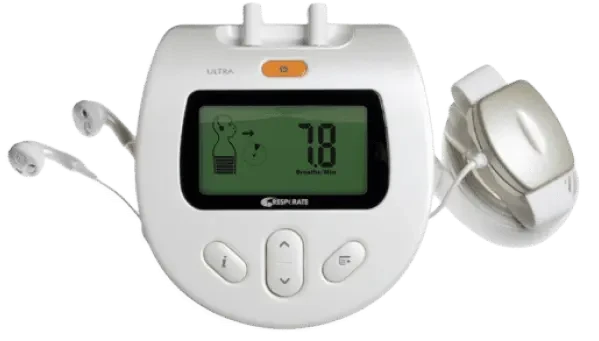
 Clinically proven





Comments