
 Brian Fairchild
High blood pressure is the single biggest risk factor for stroke, and controlling it is the most effective way to lower your risk. Stroke is a leading cause of death and the leading cause of serious long-term disability in the United States. According to the CDC, more than 795,000 people in the United States have a stroke every year, and about 610,000 of those are first-time strokes.
Understanding exactly how blood pressure drives stroke risk, and what the most current research says about prevention, can help you take the right steps to protect yourself or a loved one.
How High Blood Pressure Leads to Stroke
High blood pressure damages the lining of your arteries over time. That damage can play out in two different ways, depending on where and how it occurs.
In most cases, the damage contributes to atherosclerosis, the gradual buildup of plaque along artery walls. As arteries narrow or a clot forms, blood flow to the brain can become blocked. This is called an ischemic stroke, and it accounts for about 87% of all strokes, according to the CDC.
It was 150/100, this morning it was 110/79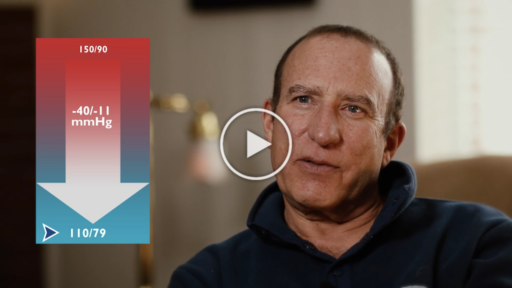
Watch How Mark Lowered His Blood Pressure Naturally.

In other cases, sustained high pressure weakens an artery wall in the brain until it ruptures. This is called a hemorrhagic stroke. It is less common, making up the remaining 13% of cases, but it tends to carry a higher risk of severe outcomes.
Both pathways start with the same underlying problem: pressure that stays too high for too long. That is why managing blood pressure matters for stroke prevention, regardless of which type of stroke ultimately occurs.
Just How Much Does Blood Pressure Matter?
Research consistently identifies high blood pressure as the leading modifiable risk factor for stroke. The American Heart Association and American Stroke Association’s 2024 primary stroke prevention guideline estimates that up to 80% of strokes may be preventable through a combination of blood pressure control, healthy lifestyle habits, and other risk factor management.
Other factors, including high cholesterol, diabetes, smoking, and obesity, also contribute meaningfully to stroke risk. Addressing blood pressure alongside these other factors, rather than in isolation, offers the most complete protection.
What Puts You at Risk for High Blood Pressure?
A number of hereditary and physical factors can increase your risk of developing high blood pressure in the first place:
- Family history: if your parents or other close blood relatives have high blood pressure, your own risk increases.
- Age: blood vessels gradually lose some elasticity over time, which can contribute to rising blood pressure. Children can develop high blood pressure too, though it is less common.
- Sex: men are more likely to develop high blood pressure before age 64. After 65, women are more likely to develop it.
- Ethnicity: African Americans tend to develop high blood pressure earlier and more severely than other groups in the United States, and some medications are less effective in treating it in Black patients.
- Chronic kidney disease: can both cause and result from high blood pressure.
These additional factors can also raise your risk, and unlike the ones above, they are within your control:
- Lack of physical activity
- An unhealthy diet, especially one high in sodium
- Being overweight or obese
- Drinking too much alcohol
- Sleep apnea
- High cholesterol
- Diabetes
- Smoking and tobacco use
- Stress, particularly when it leads to poor diet, inactivity, or increased alcohol and tobacco use
It was 170/110, this morning it was 120/80
Watch how Julie Lowered her Blood Pressure Naturally.


Stroke Is Largely Preventable
Stroke is largely preventable, and blood pressure control is one of the most effective levers most people have. Understanding your numbers and working with your doctor on the full picture, including cholesterol, weight, and lifestyle factors, gives you the best chance of avoiding it.
How to Lower Blood Pressure Naturally
RESPeRATE is clinically shown to lower blood pressure and works alongside your physician-directed treatment plan. Since high blood pressure is the leading modifiable risk factor for stroke, supporting healthy blood pressure is one meaningful part of an overall stroke-prevention strategy. Discover how RESPeRATE works, or explore the clinical research behind its approach.

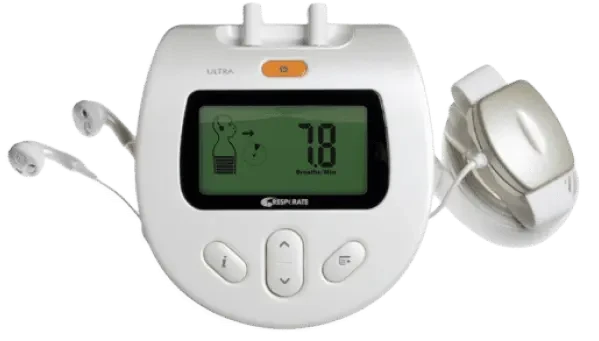
 Clinically proven

 Eli
Eli 





Comments