
 Eli Ben-Yehuda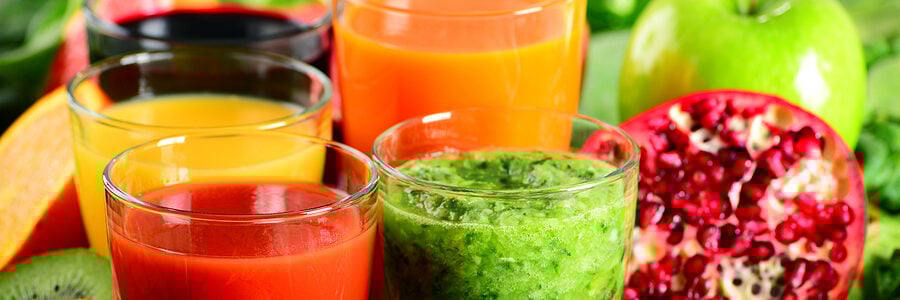
High blood pressure—also known as hypertension—is a common yet serious condition that affects the heart, blood vessels, and overall health. While medication and lifestyle changes are often essential, many people are surprised to learn how much daily nutrition can influence blood pressure levels. Nature provides powerful ingredients that work with the body to reduce inflammation, improve circulation, and support healthier blood pressure responses.
Among the most effective natural options are healing teas, fresh juices, and nourishing soups. These foods and beverages are rich in antioxidants, potassium, magnesium, and other heart-friendly nutrients that help relax blood vessels and balance fluid levels. From calming herbal blends like hibiscus tea to potassium-packed juices and vegetable-based soups, these simple additions to your diet can make a meaningful difference in your wellness routine.
Incorporating these healing drinks and meals doesn’t require major lifestyle changes—just a mindful shift toward ingredients known to promote heart health. Whether you’re looking for a soothing tea to start your morning or a nutrient-rich soup for dinner, each choice offers unique benefits. By understanding how these natural remedies work, you can take steps that support your body, complement your treatment plan, and help you feel more in control of your health.
The Brews
When I talk about brews I am not talking about beer. So we will not be giving a review on “Guinness Stout, Amstel, Heineken, or Budweiser”. No. we are going to talk about teas. Brewing tea to lower high blood pressure. What types of teas, and how much to drink.
Hibiscus Tea
According to a 2013 study, drinking hibiscus tea greatly reduces blood pressure in those individuals whose blood pressure is slightly elevated. the authors of the study review, believe that anthocyanins and other antioxidants in hibiscus tea may work together to keep blood vessels resistant to damage that causes them to narrow.
Many herbal tea blends contain hibiscus, which brews up bright red and delivers a tart flavor. researchers recommend finding one you like and drinking three cups daily.
To get the full benefits of the hibiscus, steep for six minutes before drinking hot or cold. I like drinking it over ice with a twist of lemon.
Green Tea
In a study published in “Endocrine Abstracts”, researchers asked the participants to drink four cups of green tea per day for 14 days while also maintaining their current diet. Over the 14 day period their blood pressure reduced by an average of 7.1/7.8mmHg.
The researchers concluded that green tea can indeed lower blood pressure.The reason green tea is so effective at combating high blood pressure is the polyphenols it contains. The polyphenols are a group of powerful, plant based nutrients.
They can be sourced from a variety of foods but green tea is by far the richest source.Researchers found that men and women who drank tea on a daily basis for at least a year were much less likely to develop high blood pressure.

Watch How Mark Lowered His Blood Pressure Naturally.
It was 150/100, this morning it was 110/79

Hawthorne Berry Tea
Hawthorn berry tea might be very beneficial for people suffering from high blood pressure. You can prepare this tea by pouring about 250ml of boiling water over a teaspoon of hawthorn tea. Cover with a lid, leave it for about 10 minutes, then strain and drink. Drink three times a day.
You can find this tea in all healthy food stores and larger markets. It should be noted that Hawthorne Tea is a powerful diuretic. This increases the health also of kidney function. Drink this powerful tea on a day when you won’t be running errands.
Olive Leaf Tea
Much like willow bark, olive leaves have been used in medicine for centuries. It has been documented in ancient texts across multiple cultures.
In a double-blind, controlled study in humans, this formulation reduced systolic blood pressure by an average 11.5 points mmHg, and diastolic blood pressure by 4.8 points—in just eight weeks. Olive leaf tea and extract can help support healthy blood pressure.
Olive leaf tea is unique and tastes like nothing else. A light steeping delivers a satisfying mellow flavor. Longer steeping or brewing in a tea press creates a stronger infusion with a more bitter taste that can be mellowed with a slice of fresh lemon, stevia, honey, milk, sugar and other herbal flavorings. Drink 1 cup daily.
The Juices
Juices are also a very effective way to control blood pressure. When I am talking about juice I am not talking about commercially processed juices.
Commercial juices generally contain to much sugar and sodium. The best juices to drink are the ones you can make at home. Two juices that can be purchased in your local health or whole foods stores are pomegranate and cranberry. Ensure though that you purchase 100% juice. You usually have to cut down with water.
Pomegranate Juice
I really love drinking this juice. The crisp tartness of the juice is amazingly delicious. The explosion of interest in the ancient, sacred pomegranate fruit has led to hundreds of new scientific papers in the last few years.
Recent clinical trials have found that as little as 2 ounces of pomegranate juice a day lowers high blood pressure, improves cholesterol, and even decreases plaques in your arteries.
Beet Root Juice
In the morning I like to make beet juice with 2 carrots, 1 granny smith apple and 1 cucumber. It is very refreshing, a little sweet but is packed with inorganic nitrates. These cause the arteries to relax and open resulting in a lowered blood pressure.
One glass of beetroot juice a day is enough to significantly reduce blood pressure in patients with high blood pressure. Drinking 250ml beetroot juice a day can lower BP by 7.7/5.2mmHg – better than some anti-hypertensive drugs, research shows.
Celery Juice
Celery juice contains the compound 3-n-butylphtalide, or phthalide, which contributes to the vegetable’s taste and aroma. As a chemical affecting the body, phthalide helps relax the smooth muscles in the walls of the blood vessels, according to High Blood Pressure Info.
Blood pressure decreases as the blood vessels dilate and allow blood to flow easier and more freely. It is recommended that you juice at least 2-4 stalks daily. You can combine this with apple, carrot, and beetroot for a super juice.
Pineapple Juice
Pineapple juice reduces hypertension due to adequate presence of potassium and lesser amount of sodium. This proportion of potassium and sodium is the best way to combat high blood pressure.
A cup of pineapple juice contains about 1 milligram of sodium and 195 milligram of potassium. So, it is suggested that persons suffering from hypertension may take pineapple juice regularly. Pineapple is considered
Water
I know water isn’t a juice. But if you are trying to lower your blood pressure here are some things you should know. Drinking adequate amounts of water is, quite simply, one of the healthiest, cheapest, and most effective ways that you can help lower your blood pressure.
Chronic dehydration causes blood vessels to constrict, which helps the body conserve water by reducing water loss through perspiration, urination, and respiration. Most people have heard of the eight-glasses-a-day rule, even if they don’t abide by it. But that recommendation is just the minimum intake.
The Soups
Well instead of yelling at you, “No soup for you, come back in 1 year!” I will tell you yes soup for you to lower your blood pressure. We often overlook this food when it comes to taming the beast of high blood pressure so here are a few soup du jours for you to try.
Gazpacho Soup
Gazpacho is a popular cold soup typically made from tomato, cucumber, green peppers, garlic and olive oil and many of these ingredients protect against high blood pressure which is a major risk factor for heart attack or stroke.
By analyzing the diets of some 3995 Spanish individuals at high risk of heart disease, it was found that people who reported regularly consuming Gazpacho were much less likely to have high blood pressure (hypertension).

Watch how Julie Lowered her Blood Pressure Naturally.
It was 170/110, this morning it was 120/80
Learn More

Chicken Soup
The soup, sometimes dubbed Grandma’s medicine, has been used as a folk remedy to cure all ills. But researchers have discovered that the chicken leg meat used to make the soup contains a chemical known as an ACE inhibitor, which lowers blood pressure.
These inhibitors reduce tension in muscles which in turn reduce the tension on blood vessels and the blood that runs through them. A caution to make this soup fresh at home. To many processed soups you buy in the store have an enormous amount of sodium in them.
Onion Soup
Onions contain prosta-glandin A. This can dilate blood vessels, reduce blood vessel resistance, decrease blood viscosity and improve micro-circulation, still does restrain the substance that increases blood pressure.
Onion skin contains quercetin, a plant pigment which can help reduce blood pressure and prevent arteries from clogging. So when you are cooking the soup don’t discard the skin. Add them to the soup while it is cooking and remove before serving.
Mung Bean Soup
Mung bean is botanically known as Vigna radiata and is equally known by other names such as; haricots moong, mudga, judia mungo, mung-bohnen, and fagioli mungo.
Studies reveal that mung beans contain anti-hypertensive, antioxidant, anti-diabetic, anti-tumor, antimicrobial and anti-inflammatory properties. Moreover, consuming mung beans is considered effective for regulating lipid metabolism.
In addition, here is a short video about teas to lower blood pressure:

In Conclusion
Healing teas, fresh juices, and wholesome soups offer a gentle, natural way to support lower blood pressure—one nourishing cup or bowl at a time. When incorporated consistently, these heart-healthy options can help reduce hypertension risk factors and contribute to long-term cardiovascular wellbeing. Their natural compounds, vitamins, and minerals work synergistically with your body, making them a powerful addition to a holistic blood pressure management plan.
While these remedies are incredibly supportive, they work best alongside doctor-recommended treatments, regular physical activity, and balanced nutrition. Think of them as valuable tools that enhance the foundation of a healthy lifestyle. Listening to your body and staying mindful of the ingredients you consume can create a positive ripple effect on your overall wellness.
As you explore different teas, juices, and soups, choose the flavors and combinations that you enjoy most—this makes consistency easier and more rewarding. Over time, these small yet meaningful dietary choices can help you feel more energized, balanced, and confident in your journey toward healthier blood pressure. Embrace these healing foods as part of your daily routine and let them support you in creating a heart-strong, vibrant life.

 Clinically proven





Comments
7 Replies to “How Healing Teas, Juices & Soups Can Help Reduce Hypertension”
Hi, I have uncontrolled blood pressure at the moment where the upper one can be very hight and the lower one very low. i.e. 175/60. With all the information you have on this page can you somehow mix all the different fruits and veggies together rather than try to take each one and have to remember to take them all? Or is there some better for my condition than others? Thank you, Colleen Faed, Western Australia.
Dear Colleen Yes you can. Also, I would advise if you smoke quit. Be careful with your salt intake and caffeine.
Kindest Regards,
Eli
Which kind of green tea? Is decaf ok?
Hi Theresa, Green tea has such a small amount of caffeine I would not bother. The chemicals they use to decaf teas and coffees is not worth it.
Eli
I love hibiscus tea but unfortunately I can’t add it to my regimen. It’s a diuretic and conflicts with my diuretic Rx. But what’s worse is that it causes tinnitus in some people. I’ve found that’s true for me. If I drink even one cup mt ears will eventually starts ringing. 😥
Hi Tom, Thank you for sharing that information with us. Kindest Regards Eli, Content Manager, RESPeRATE.
I have used my Resperate since July of 2024. I stopped using it a while back and my BP is staying down. I just now took my BP and it was 122 over 78 with a pulse of 62. Most of my life my pulse was between 40 and 50. My pulse rate is now in the 60 to 70’s and I am 91 years old. I am very happy with how Resperate has helped me. I have learned to breath better.