
 Brian Fairchild

Black adults in the United States experience hypertension at rates among the highest of any population in the world. The Centers for Disease Control and Prevention reports a 54% prevalence of high blood pressure among non-Hispanic Black adults. By comparison, the figure is 46% among non-Hispanic white adults, 39% among non-Hispanic Asian adults, and 36% among Hispanic adults. That gap represents one of the most significant and persistent health disparities in American medicine.
The disparity is not simply one of prevalence. Hypertension in Black Americans tends to develop earlier in life, reach higher severity, and cause more end-organ damage at equivalent blood pressure readings. A 45-year-old Black man in the southeastern United States carries the same stroke risk as a 55-year-old white man in the same region. That represents a ten-year cardiovascular age gap driven largely by blood pressure, as documented in the American Journal of Medical Science.
Understanding why this disparity exists, and what can be done about it, is one of the most urgent questions in American hypertension research.
It was 150/100, this morning it was 110/79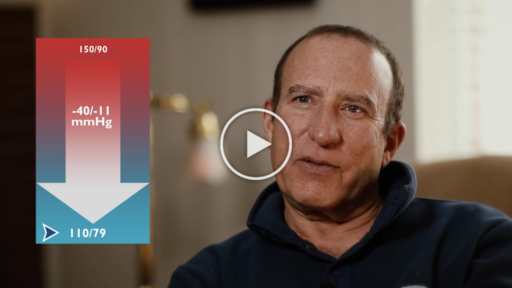
Watch How Mark Lowered His Blood Pressure Naturally.
Why the Gap Exists: Biology, Environment, and Social Determinants
Researchers consistently conclude that the disparity reflects an interaction of biological, environmental, behavioral, and social factors. A comprehensive review in JACC confirmed that social and environmental factors play a more significant role than genetics alone. Each factor is worth understanding separately.
Salt sensitivity
Salt sensitivity affects a higher proportion of Black Americans than white Americans. Estimates suggest that 75% of Black adults with hypertension are salt-sensitive, compared with approximately 55% of white adults with hypertension. Salt sensitivity means the kidneys retain more sodium in response to dietary salt intake. This increases blood volume and raises blood pressure. That physiological difference means sodium reduction has a particularly strong blood pressure benefit in this population, making dietary intervention more powerful than in less salt-sensitive groups.
The renin-angiotensin-aldosterone system
The renin-angiotensin-aldosterone system governs blood pressure, blood vessel tone, and fluid balance. It operates differently in many Black adults with hypertension. Lower circulating renin levels are more common in this population. This affects which antihypertensive medications work most effectively. Calcium channel blockers and diuretics show stronger efficacy than ACE inhibitors and angiotensin receptor blockers used alone. This is not because of race per se, but because of differences in this underlying hormonal pattern. For more on how this system operates in relation to blood pressure, see our post on arterial inflammation and blood pressure.
Arterial stiffness
Arterial stiffness, particularly of the aorta, develops earlier and more severely in Black adults. Research from UT Southwestern Medical Center confirmed that Black Americans show greater aortic rigidity than other groups. This both causes higher blood pressure and accelerates the cardiovascular damage that hypertension produces over time.
Food environments and dietary patterns
Food deserts, geographic areas where fresh produce and low-sodium options are unavailable or unaffordable, disproportionately affect Black communities. Traditional preparation methods in some Southern food cultures also contribute. Extended boiling of vegetables removes potassium, compounding the sodium-to-potassium imbalance. Research consistently confirms that inadequate potassium intake amplifies the blood pressure effect of dietary sodium. For more on the sodium-potassium balance and blood pressure, see our article on potassium and sodium balance. These are environmental and cultural factors, not inherent characteristics of any population.
Chronic psychological stress and weathering
Chronic psychological stress is another significant and underappreciated contributor. Experiences of discrimination, economic stress, and neighborhood insecurity activate the sympathetic nervous system and the hypothalamic-pituitary-adrenal axis. This chronically elevates blood pressure. Research on weathering, the accelerated biological aging that chronic psychosocial stress produces, helps explain why Black Americans develop hypertension earlier in life even when controlling for other risk factors. For more on how the stress response affects blood pressure through these pathways, see our article on how stress affects blood pressure.
Healthcare access and treatment disparities
Hypertension control rates remain lower in Black adults than in white adults, even among those who are diagnosed and being treated. Part of this reflects historical medical mistrust built over decades of documented disparities in care quality. Part of it reflects that some first-line medications are less effective in Black adults due to the renin system differences described above.
It was 170/110, this morning it was 120/80
Watch how Julie Lowered her Blood Pressure Naturally.


What This Means for Blood Pressure Management
The evidence on what works in this population points clearly in several directions. Most of these strategies align with the DASH diet principles already well-supported for blood pressure management broadly.
Dietary sodium reduction and potassium intake
Dietary sodium reduction produces stronger blood pressure reductions in salt-sensitive individuals. The DASH diet was specifically studied in populations including Black adults and showed consistent benefit. It combines sodium reduction with increased potassium from fruits and vegetables. The potassium component is especially important given the sodium-potassium imbalance that food environment factors contribute to.
Regular aerobic exercise
Regular aerobic exercise reduces blood pressure across all populations. The autonomic nervous system benefits are particularly relevant for Black adults experiencing higher baseline sympathetic activity from chronic stress. Exercise directly lowers resting sympathetic tone over time, making the cardiovascular system less reactive to daily stressors.
Stress management as a cardiovascular intervention
Stress management is not a soft lifestyle suggestion in this context. It is a direct cardiovascular intervention. Chronic sympathetic nervous system activation from psychosocial stress is a documented biological driver of both earlier onset and greater severity of hypertension in Black adults. Addressing it through evidence-based means, including slow breathing practices, mindfulness, and social support, directly reduces a known biological contributor to the disparity.
Medication selection
Medication selection should be discussed explicitly with your physician. Calcium channel blockers and thiazide diuretics are generally more effective as first-line agents in Black adults than ACE inhibitors or angiotensin receptor blockers used alone. Combination therapy is often more effective earlier in this population than stepwise approaches used in lower-risk groups.
Home blood pressure monitoring
Home blood pressure monitoring supports tighter control. Higher cardiovascular risk at any given blood pressure reading means that tighter control produces more benefit. Home monitoring catches readings that clinic visits can miss and gives both patient and physician a more complete picture of blood pressure patterns throughout the day.
Where RESPeRATE Fits
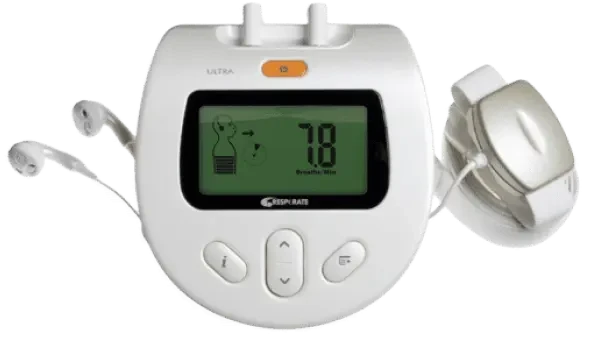
RESPeRATE addresses the sympathetic nervous system component of hypertension directly. This makes it particularly relevant for people whose blood pressure is driven partly by chronic stress and autonomic overactivation. Device-guided slow breathing with prolonged exhalation shifts the nervous system from sympathetic to parasympathetic mode. It reduces the neural contribution to elevated blood pressure independently of medication or dietary changes. RESPeRATE works alongside medication and lifestyle modifications rather than replacing them. It is the only FDA-cleared non-drug device clinically proven to lower blood pressure. Use it as part of your overall health program alongside your physician-directed treatment plan. Review the full evidence at our clinical proof page.
Summary
The hypertension disparity affecting Black Americans is one of the most significant public health challenges in the United States. It reflects biology, environment, diet, stress, and access to care. Each of those factors is also a point of intervention. Sodium reduction, potassium-rich whole foods, aerobic exercise, stress management, appropriate medication selection, and home blood pressure monitoring all address different parts of the same problem. The gap is not inevitable. Understanding why it exists is the first step toward closing it.


 Clinically proven

 Eli





Comments