
 Brian Fairchild
In fact, taking care of your heart and taking care of your A1c are often the same job.
What Is A1c — and Why Does It Matter?
Your A1c measures your average blood sugar over the past two to three months. It’s expressed as a percentage. A normal A1c sits below 5.7%. Prediabetes falls between 5.7% and 6.4%. Diabetes is diagnosed at 6.5% and above.
But here’s what many people don’t realize. You don’t have to have diabetes for a high A1c to damage your heart.
Research from Harvard’s Nurses’ Health Study and Health Professionals Follow-up Study found that people with an A1c between 6.0% and 6.5% — still below the diabetes threshold — had nearly double the risk of coronary heart disease compared to those with an A1c below 5.5%. resperate
In other words, your blood sugar doesn’t have to be in the diabetic range to start harming your cardiovascular system.
How High Blood Sugar Damages Your Heart
The connection between blood sugar and heart disease isn’t a coincidence. It’s a direct biological mechanism.
High glucose levels produce reactive oxygen species — harmful molecules that damage cells and trigger inflammation. That inflammation directly damages blood vessels and raises blood pressure. nih
Furthermore, the damage works both ways.
Diabetes and hypertension share common risk factors — including endothelial dysfunction, vascular inflammation, arterial remodelling, and atherosclerosis. When both conditions exist together, vascular damage is significantly amplified. nih
As a result, having both high blood pressure and elevated blood sugar doesn’t just double your risk. It compounds it. People with both hypertension and diabetes face double the risk of heart disease compared to those with just one condition. Liv Hospital
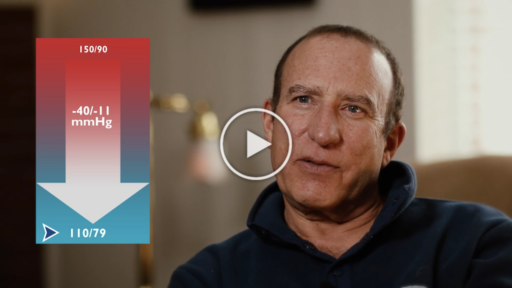
Watch How Mark Lowered His Blood Pressure Naturally.
It was 150/100, this morning it was 110/79
The Insulin Resistance Connection
High blood pressure and high blood sugar are often symptoms of the same underlying problem: insulin resistance.
People with high blood pressure frequently show insulin resistance and face a higher risk of developing diabetes than those with normal blood pressure. Hypertension and insulin resistance together significantly increase the risk of impaired glucose tolerance, cardiovascular disease, and metabolic disorders. nih
This matters because treating one without addressing the other leaves the underlying problem untouched. The conditions feed each other. Therefore, the most effective approach targets both simultaneously.
The Good News: One Diet Protects Both
This is where the research becomes genuinely encouraging. The dietary patterns that lower blood pressure also lower blood sugar. In fact, they’re essentially the same eating plan.
The DASH diet — Dietary Approaches to Stop Hypertension — was originally developed to reduce blood pressure without medication. Yet its benefits reach far beyond blood pressure alone.
Research shows the DASH diet significantly reduces the risk of type 2 diabetes by improving blood glucose control, reducing A1c, improving insulin sensitivity, regulating lipid metabolism, and reducing oxidative stress and inflammation. AHA Journals
Most recently, Johns Hopkins researchers took this a step further. They modified the DASH diet specifically for people with type 2 diabetes — creating what they call the DASH4D diet. A clinical trial published in Nature Medicine found the DASH4D diet helped participants with type 2 diabetes better control their glucose levels. Blood glucose also became less variable throughout the day. nih
Similarly, a 2025 review published in Frontiers in Nutrition confirmed that the DASH diet lowers blood pressure through multiple mechanisms — including regulating sodium-potassium balance, improving endothelial function, and reducing inflammation — making it a first-line non-pharmacological intervention for hypertension management. nih
One eating plan. Two major conditions. One solution.
What the Research Says About Exercise
Diet isn’t the only tool. Exercise improves both blood pressure and blood sugar through overlapping mechanisms.
Regular aerobic activity improves insulin sensitivity. Better insulin sensitivity means your cells respond more efficiently to glucose. As a result, blood sugar levels stabilize. That same improved circulation and reduced arterial stiffness that exercise produces for your heart also helps regulate glucose metabolism.
The American Heart Association recommends at least 150 minutes of moderate aerobic activity per week. That’s 30 minutes, five days a week. That single habit supports both your A1c and your blood pressure simultaneously.

Watch how Julie Lowered her Blood Pressure Naturally.
It was 170/110, this morning it was 120/80
Learn More

Simple Daily Habits That Work for Blood Pressure and Blood Sugar
Start here. These evidence-based habits support heart health and blood sugar control at the same time:
Eat whole grains over refined carbohydrates. Whole grains digest slowly. They create a gentler rise in blood sugar. At the same time, their fiber content supports healthy blood pressure by improving circulation and reducing arterial stiffness.
Reduce sodium. High sodium raises blood pressure directly. Meanwhile, processed foods high in sodium are also typically high in refined carbohydrates — a double blow to both your A1c and your cardiovascular system.
Choose healthy fats. Unsaturated fats — found in olive oil, nuts, and avocado — reduce LDL cholesterol and support insulin sensitivity. In contrast, saturated and trans fats worsen both conditions.
Add more fruits and vegetables. Their fiber, potassium, and antioxidant content actively lower blood pressure. Furthermore, their low glycemic load supports stable blood sugar throughout the day.
Move consistently. Thirty minutes of moderate activity most days of the week is enough to make a measurable difference to both numbers.
The Bottom Line
High blood pressure and high blood sugar are not two separate problems requiring two separate solutions. Instead, they are two expressions of the same underlying condition — chronic vascular inflammation, oxidative stress, and insulin resistance.
The research is clear. Managing your diet, staying active, reducing sodium, and eating more whole foods doesn’t just protect your heart, it protects your A1c too. Every step you take toward one goal moves the other in the right direction.
Above all, the most powerful thing you can do for your long-term health is stop treating these conditions in isolation — and start addressing the common ground between them.
Summary
Blood sugar and blood pressure share the same biology. High glucose damages blood vessels, raises blood pressure, and drives inflammation — the same inflammation that harms your heart. Research from Harvard, Johns Hopkins, and multiple peer-reviewed clinical trials confirms that the DASH diet lowers both A1c and blood pressure through overlapping mechanisms. Insulin resistance sits at the center of both conditions. That means the habits that protect your heart — whole foods, regular movement, less sodium, more fiber — also stabilize your blood sugar. You don’t need two separate health plans. You need one good one — and the consistency to follow it.
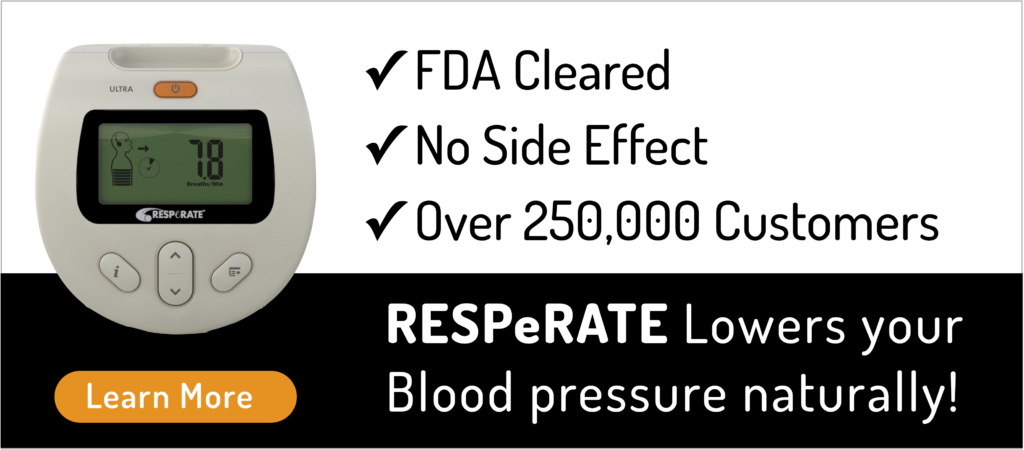
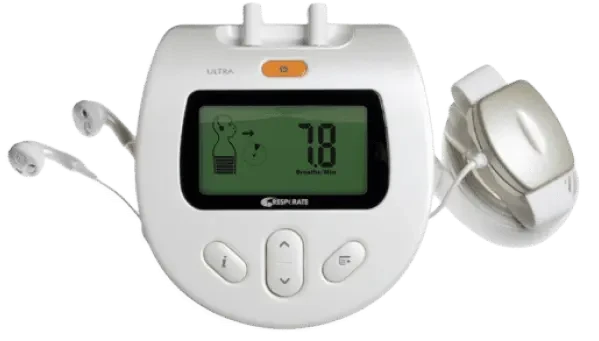
Managing your blood pressure at home is one of the most effective steps you can take for your heart and your metabolic health. Learn how RESPeRATE can help.


 Clinically proven

 Eli
Eli 





Comments
2 Replies to “Blood Sugar and Heart Health: Why What’s Good for Your Heart Is Often Good for Your A1c Too”
Read your article on the DASH diet. I feel it is missing the mark for many of your customers.
this RESPeRATE article is classic DASH diet advice, and it directly conflicts with the therapeutic keto approach you’re following from Dr. Boz, Dr. Westman, and Dr. Bikman.
Why the Conflict Exists
DASH diet (Dietary Approaches to Stop Hypertension) emphasizes:
Whole grains
High fruits and vegetables
Lower sodium
“Healthy” unsaturated fats
This is the conventional recommendation from many organizations for blood pressure.
Therapeutic Keto (Dr. Boz <20g total carbs, Dr. Westman, Dr. Bikman) prioritizes:
Very low carbohydrates to reverse insulin resistance (the root cause of your prediabetes, high blood pressure, and glucose issues)
High protein + high fat
Minimal grains, fruits, and starchy vegetables
What Does the Evidence Say for Someone Like You?
Recent head-to-head studies in people with hypertension + prediabetes/diabetes + overweight (exactly your profile) show:
A very low-carb / keto diet outperformed DASH on:
Blood pressure (roughly twice the drop — e.g., ~10 mmHg systolic vs ~5 mmHg)
Blood sugar / A1c (significantly better improvement)
Weight loss
Medication reduction (more people were able to lower or stop BP and diabetes meds)
These findings come from randomized trials published in reputable journals like Annals of Family Medicine.
Your own experience aligns with this: your blood pressure has already improved on keto, and your glucose control (GMI ~5.2%) is excellent.
Key Takeaways for Your Situation
Whole grains and higher fruits → raise blood sugar and insulin, which can worsen insulin resistance long-term. This is why Dr. Boz is so strict on total carbs.
Sodium → On strict keto your body loses more sodium (and you need more of it). Reducing it too much can actually cause issues with cramps, energy, and glucose stability. Your current approach (higher sodium via Re-Lyte + food) is more appropriate while on keto.
The DASH advice is not wrong for the general population, but it is suboptimal when insulin resistance is the core problem.
Thank you for this — it’s a genuinely thoughtful comment and you’re citing real research accurately. The Saslow et al. (2023) trial in Annals of Family Medicine is a well-designed study, and for someone with the triple profile you describe (hypertension + prediabetes + overweight), the data favoring a very low-carb approach over DASH is worth knowing about.
You’re right that RESPeRATE’s content leans on DASH-aligned recommendations — and there’s a straightforward reason for that: our device and clinical studies span a broad population, many of whom are not keto and won’t be. DASH remains the most widely studied dietary intervention for hypertension across general populations, and our articles reflect where the majority of our readers are starting from.
That said, your point stands: for insulin-resistant individuals already following a therapeutic low-carb protocol, DASH guidance on whole grains, fruit, and sodium reduction can conflict with — and even undermine — what’s working for them. The sodium point in particular is well taken; sodium needs genuinely shift on a ketogenic diet.
RESPeRATE works as a complement to whatever dietary approach your physician is supporting — the slow-breathing mechanism operates independently of diet. If you’re already seeing blood pressure improvement on keto, the device can add to that through a completely different pathway (autonomic nervous system regulation), with no dietary conflict at all.
We appreciate you keeping us honest. This is the kind of nuance our readers benefit from.