
 Brian Fairchild

Plants for sleep are a popular idea, often backed by claims that they clean your bedroom air. Many of those claims trace back to a 1989 NASA study. However, newer research tells a different story. Here is what bedroom plants can and cannot do, plus a few safety tips.
Do Plants Really Clean Bedroom Air?
In 2019, Drexel University researchers reviewed a dozen studies spanning 30 years. They found that normal air exchange in a building clears indoor pollutants much faster than plants can.
In fact, they estimated you would need 10 to 1,000 plants per square meter of floor space. That is how many it would take to match a building’s air system. Even a couple of open windows would do more, the authors said.
So why the myth about plants for sleep and clean air? The NASA work placed plants in small, sealed chambers, which are very different from real homes.

Watch How Mark Lowered His Blood Pressure Naturally.
It was 150/100, this morning it was 110/79

As study author Michael Waring put it, plants are great, but they do not clean air quickly enough to matter.
What About Plants for Sleep That Smell Calming?
Many people link lavender and chamomile with relaxation. Still, the evidence for sleep is thin. According to the NCCIH, it is unclear whether lavender aromatherapy helps sleep quality or insomnia. Our post on lavender oil benefits covers the research in more detail.
Similarly, the NCCIH says there is very little information on chamomile and insomnia. So enjoy these plants for their scent, but do not count on them as a sleep aid.
Keep Bedroom Plants Safe for Pets
Several popular plants for sleep can harm cats and dogs. According to the University of California, these common houseplants are toxic to pets:
- Peace lily: can irritate the mouth and may lead to kidney failure in cats
- Snake plant: can cause vomiting, diarrhea, and nausea
- Aloe: can cause diarrhea, vomiting, and lethargy
- English ivy: can cause a skin rash and fever
On the other hand, the spider plant appears on the ASPCA’s list of pet-safe plants. So it is a good choice if you share your home with a cat or dog.
What Actually Helps You Sleep Better
If you want a more restful bedroom, focus on the basics. Mayo Clinic suggests these steps:
- Keep your room cool, dark, and quiet.
- Go to bed and wake up at the same time each day.
- Avoid long screen use just before bedtime.
- Try a calming activity, such as a bath or a relaxation technique.

Watch how Julie Lowered her Blood Pressure Naturally.
It was 170/110, this morning it was 120/80
Learn More

For a simple plan, see our bedtime routine guide. If poor sleep lasts for weeks, talk with your doctor, and read our guide on how to beat insomnia.
Where Plants for Sleep Fit In
Plants for sleep can still make a bedroom look and feel nice. Just choose pet-safe varieties if you have animals, and rely on healthy sleep habits for better rest.
How to Lower Blood Pressure Naturally
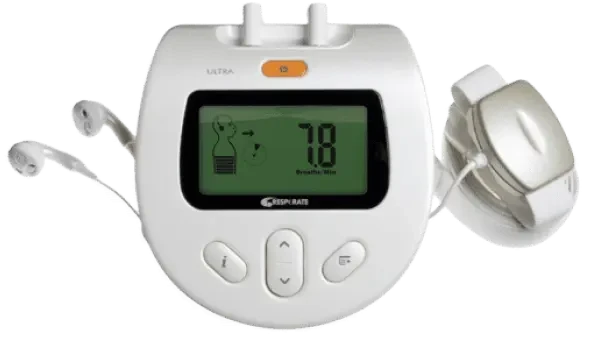
A calm, restful bedroom is one simple step toward a heart-healthy day. RESPeRATE is an FDA-cleared device clinically shown to lower blood pressure through device-guided slow breathing. It works alongside your physician-directed treatment plan, not instead of it. See how RESPeRATE works and whether it fits your daily routine.


 Clinically proven

 Eli




