
 Brian Fairchild

A simple bedtime routine can help your body and mind wind down at night. Reading a printed book is one popular choice. Here is what the research shows about reading before bed, plus a few habits that support better sleep.
Why a Bedtime Routine Helps
According to Mayo Clinic, calming activities before bed, such as a bath or relaxation techniques, may promote better sleep. It also suggests going to bed and getting up at the same time every day, including weekends.
In addition, Mayo Clinic advises avoiding long use of light-emitting screens just before bedtime. That is where the type of book you read can matter.
Reading Before Bed: Printed Books vs. Screens
A 2015 study in PNAS compared reading a printed book with reading on a light-emitting e-reader before bed. In a Scientific American summary, 12 healthy young adults read for four hours before bed. They did this for five evenings in a row. Each person tried both the iPad and the printed book.
On the iPad, people took about 10 minutes longer to fall asleep. They also made less melatonin, a hormone that helps you sleep. In addition, their internal clocks shifted later, and they felt less alert the next morning.

Watch How Mark Lowered His Blood Pressure Naturally.
It was 150/100, this morning it was 110/79

Keep in mind that the study was small and included only young adults. Also, four hours is much longer than most people read at night. Still, it suggests that a printed book is a better fit for a bedtime routine than a bright screen.
What About the “6-Minute” Claim?
You may have seen claims that six minutes of reading cuts stress by 68 percent. However, we could not find a published study behind that figure, so we left it out. Instead, think of reading as one calming habit among several.
How to Build Your Bedtime Routine
Mayo Clinic offers several habits that can help. Here are a few to try:
- Go to bed and wake up at the same time each day.
- Keep your bedroom cool, dark, and quiet.
- Avoid long screen use just before bed. A printed book is a better choice.
- Try a calming habit, such as a warm bath or a relaxation technique.
- Write down what is on your mind, and set it aside until tomorrow.
- Avoid heavy meals close to bedtime, and be careful with caffeine, alcohol, and nicotine.
- If you cannot fall asleep within about 20 minutes, get up and do something relaxing. Then return to bed when you feel tired.

Watch how Julie Lowered her Blood Pressure Naturally.
It was 170/110, this morning it was 120/80
Learn More

Most important, talk with your doctor if you often have trouble sleeping. Mayo Clinic notes that a doctor can help find and treat an underlying cause.
More Ways to Sleep Better
A bedtime routine is just one part of healthy sleep. For more ideas, read our guide on how to beat insomnia. You can also learn what a trial found about mindfulness for insomnia, or try simple meditation for stress.
How to Lower Blood Pressure Naturally
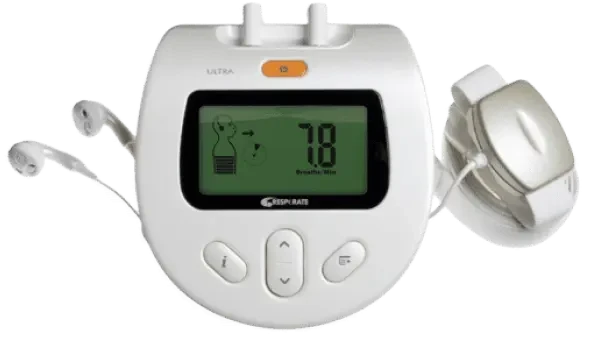
A calm bedtime routine is one simple step toward a heart-healthy day. RESPeRATE is an FDA-cleared device clinically shown to lower blood pressure through device-guided slow breathing. It works alongside your physician-directed treatment plan, not instead of it. See how RESPeRATE works and whether it fits your daily routine.


 Clinically proven

 Eli





Comments