
 Brian Fairchild

In the 1990s, Tom Middleton was touring the world as a pioneering electronic musician and DJ. He was also struggling to sleep. Across years of late-night shows and hotel rooms, insomnia became a professional hazard. His response was not to medicate it. He researched it. The album that came out of that research, Sleep Better, was designed from the ground up around what the science actually says about music and the sleeping brain. Several scientists reviewed and approved it before release. It holds up.
A 2025 systematic review and meta-analysis published in PLOS One, covering 16 randomized controlled trials, found that music therapy significantly improved sleep quality in older adults, with a standardized mean difference of 0.79. That is a moderate-to-large effect by conventional standards. Most of the effective interventions used slow-tempo music between 60 and 85 beats per minute, 20 to 60 minutes in duration, applied consistently at bedtime. That describes Middleton’s approach almost exactly.
It was 150/100, this morning it was 110/79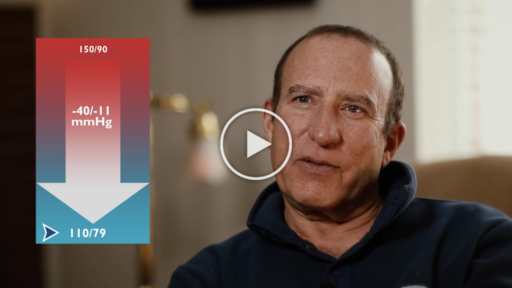
Watch How Mark Lowered His Blood Pressure Naturally.
The Music Man Who Could Not Sleep
Middleton has worked under several names, including Reload, Cosmos, and The Modwheel. Beyond his music career, he trained as a certified sleep science coach with additional training in mental health first aid. He also serves as co-president of the AFEM Health Group. The combination of touring musician, sleep sufferer, and certified sleep coach gave him a specific angle on the problem: he had both the personal motivation and the technical background to do it properly.
“What’s on the market right now has never been scientifically proven, it’s not based on real science,” Middleton said of existing sleep music. “I thought it would be really interesting to see what research has been done, what sounds are known to be effective, and what noises have been tested.” He consulted scientific literature, gathered expert opinions, and layered that knowledge with two decades of intuition about how audiences respond to sound. “I added to that the intuition I had developed of playing festivals and chill-out clubs all these years.”
Why Slow-Tempo Music Actually Works
The mechanism is physiological, not merely atmospheric. The body naturally synchronizes its rhythms with external sounds. This is called entrainment. When the tempo of music is slow, around 60 to 80 beats per minute, the heart rate and respiratory rate follow it downward. Cortisol levels fall. The nervous system shifts from alert to relaxed. Research on slow-tempo music consistently shows reductions in heart rate and respiratory rate, and the PLOS One meta-analysis confirmed those effects translate into measurable sleep quality improvements.
For people managing blood pressure, this matters beyond sleep. The same physiological pathway that music uses to slow breathing and reduce heart rate also lowers the peripheral vascular resistance that keeps blood pressure elevated. For more on the connection between sleep and blood pressure physiology, see our post on deep sleep and blood pressure.
How to Use Sleep Music Effectively
Middleton’s own guidance, and the research behind it, points to a consistent approach. Start listening before it is time to sleep, not at the moment the lights go out. The music should begin the process of preparing your body for rest, not merely accompany the moment of transition. Once in bed, close your eyes and follow the melody passively. Do not concentrate on it. The point is to give the mind something low-stakes to follow so that it stops generating its own activity.
The tracks on Sleep Better are designed to lower heart rate and respiratory rate progressively. “So far it has been quite effective,” Middleton said after early testing. “When we tested it, we noticed that the heart rate is slowing and people are falling asleep.” His team added a disclaimer to the album: do not listen while driving, operating machinery, or underwater. He said that last one with a laugh. The album is that effective.
It was 170/110, this morning it was 120/80
Watch how Julie Lowered her Blood Pressure Naturally.


Other Evidence-Based Sleep Approaches
Music is one tool. For people dealing with chronic insomnia or sleep disruption tied to conditions like menopause or anxiety, a combination of approaches works best. See our post on natural approaches to sleep for a broader look at what the evidence supports.
For women specifically, hormonal changes during menopause are a primary driver of sleep disruption that music alone cannot address. See our post on why women get insomnia more frequently than men for more on that connection.
Where RESPeRATE Fits
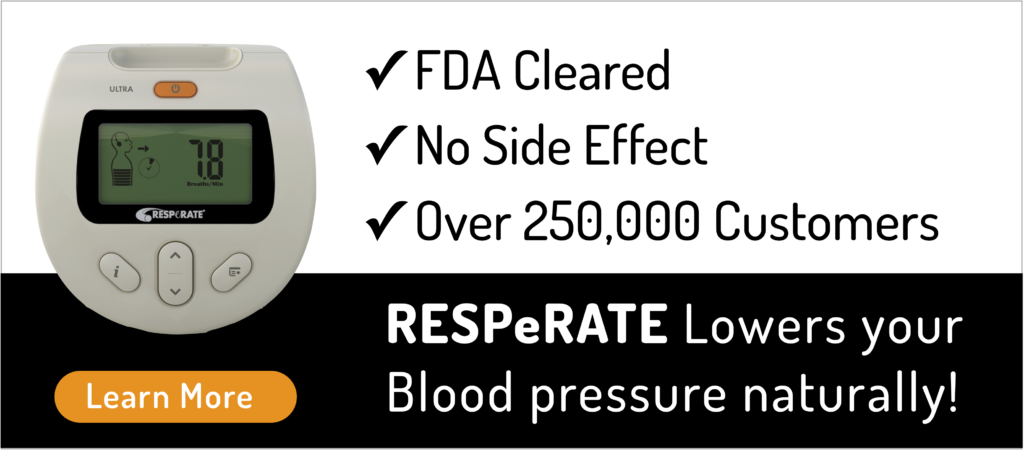
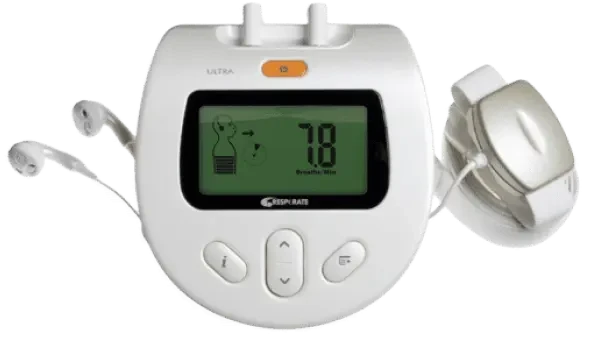
RESPeRATE and sleep music share a common mechanism: both use rhythm and slow breathing to shift the nervous system from alert to relaxed. RESPeRATE goes further by guiding breathing into a specific therapeutic zone of five to seven breaths per minute, producing a documented reduction in blood pressure through sustained parasympathetic activation. Used in the evening before bed, RESPeRATE supports both the overnight blood pressure dip and the pre-sleep physiological transition. It is the only FDA-cleared non-drug device clinically proven to lower blood pressure. Review the full evidence at our clinical proof page.
Summary
The playlist that helps you sleep is not a marketing concept. It is a documented physiological phenomenon. Slow-tempo music at 60 to 85 beats per minute, listened to consistently at bedtime for 20 to 60 minutes, produces measurable improvements in sleep quality. Tom Middleton built his Sleep Better album around exactly that science, and a 2025 meta-analysis confirmed the approach works. Start the music before you intend to sleep, follow it passively, and let the entrainment do what the research says it does.


 Clinically proven


 Eli





Comments
2 Replies to “Relax and Drift Off: The Ultimate Sleep-Inducing Playlist”
can I buy this sleep inducing record/machine from you?
Purchase Options & Formats in the US
• Digital MP3/Audio: Available to purchase and stream directly via the Amazon MP3 Store.
• High-Resolution Digital: Available for purchase and download in lossless audio formats via Qobuz starting at $45.09.
• Streaming & Digital Library: You can listen to the 19-song, 5-hour and 19-minute release on Apple Music or via Spotify.
• Physical CD/Vinyl: New physical copies are mostly limited imports or secondary market items; you can check listings via eBay for previously owned copies.
Comments are closed.