
 Eli Ben-Yehuda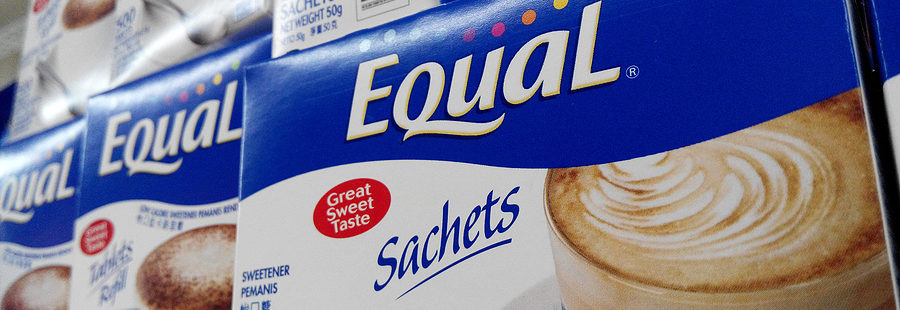
Artificial sweeteners have become a popular alternative to sugar, especially for those looking to cut calories, manage weight, or control blood sugar levels. Found in everything from diet sodas to low-calorie snacks, these sugar substitutes promise sweetness without the added energy intake. But as their popularity continues to grow, so do questions about their true impact on health.
Many people turn to artificial sweeteners as a way to support healthier habits, particularly when managing conditions like diabetes or trying to reduce sugar consumption. While they can help lower overall calorie intake, there is ongoing debate about how these substitutes affect metabolism, appetite, and long-term wellness. Some studies suggest potential benefits, while others raise concerns about possible unintended effects.
Understanding whether artificial sweeteners are safe or harmful requires looking beyond the marketing claims and examining the science behind them. By exploring both the advantages and the potential risks, you can make more informed choices about how these sweeteners fit into your daily diet and overall health goals.
Sugar vs Artificial Sweeteners
Poor lifestyle behaviors are the leading causes of preventable diseases globally. Added sugars contribute to a diet that is energy dense but nutrient poor. Sugar also increases the risk of developing obesity, cardiovascular disease, hypertension, obesity-related cancers, and dental caries.
2009 American Heart Association released a scientific statement titled “Dietary Sugars Intake and Cardiovascular Health”. They concluded that the current intake of added sugars among Americans greatly exceeds discretionary calorie allowances based on the 2005 US Dietary Guidelines.
The present statement from the American Heart Association and the American Diabetes Association addresses the potential role of artificial sweeteners in helping Americans to adhere to this recommendation in the context of current usage and health perspectives.
By definition, NNS, otherwise referred to as very low-calorie sweeteners, artificial sweeteners, noncaloric sweeteners, and intense sweeteners, have a higher intensity of sweetness per gram than caloric sweeteners. Sweeteners such as sucrose, corn syrups, and fruit juice concentrates. As a caloric sweetener replacement, they are added in smaller quantities; hence, they provide no or few calories.
In our current food supply, artificial sweeteners are widely used in thousands of beverages and other food products. Products such as diet soft drinks, yogurts, desserts, and gum. Food manufacturers often use a blend of artificial sweetener or use a blend of sugar and NNS to improve the flavor acceptability.
Types of Artificial Sweeteners
The FDA has approved five artificial sweeteners: saccharin, acesulfame, aspartame, neotame, and sucralose. It has also approved one natural low-calorie sweetener, stevia. How the human body and brain respond to these sweeteners is very complex.
One concern is that people who use artificial sweeteners may replace the lost calories through other sources. Possibly offsetting weight loss or health benefits, says Dr. Ludwig. This can happen because we like to fool ourselves: “I’m drinking diet soda, so it’s okay to have cake.” The AHA and ADA also added this caveat to their recommendation.
It’s also possible that these products change the way we taste food. “Non-nutritive sweeteners are far more potent than table sugar and high-fructose corn syrup. A minuscule amount produces a sweet taste comparable to that of sugar, without comparable calories.
Over-stimulation of sugar receptors from frequent use of these hyper-intense sweeteners may limit tolerance for more complex tastes,” explains Dr. Ludwig. That means people who routinely use artificial sweeteners may start to find less intensely sweet foods, such as fruit, less appealing and unsweetened foods, such as vegetables, downright unpalatable.
The theory that artificial sweeteners caused cancer was the original concern about their use decades ago, but again the research is mixed. Originally, bladder cancer was the largest concern because saccharine was found to cause bladder cancer in some laboratory animals. Out of 32 studies looking at whether artificial sweeteners increase the risk of bladder or urinary tract cancer, eleven found a positive association and 20 reported no association.

Watch How Mark Lowered His Blood Pressure Naturally.
It was 150/100, this morning it was 110/79

Hyperactivity and Insomnia
A study in Australia researched the effects of artificial sweeteners on hyperactivity and sleep. The study also found the sweetener promoted hyperactivity, insomnia, and reduced sleep quality, which replicated a fasting state.
Professor Neely said while the animal results do not necessarily translate to humans, there was some good news for sweetener fans.
“We found it was reversible, when animals stop taking artificial sweeteners for three days their responses go back to normal.”
Ultimately, artificial sweeteners are neither a miracle solution nor a guaranteed health hazard—they occupy a gray area that requires balance and moderation. For most people, occasional use of artificial sweeteners is likely safe, especially when used to reduce excessive sugar intake. However, relying on them heavily or assuming they make any diet “healthy” can be misleading.
As research continues, one thing is clear: natural, whole foods remain the foundation of a healthy diet. While artificial sweeteners can serve a role in specific situations—such as for people managing diabetes or cutting calories—the healthiest approach is to minimize both added sugars and artificial substitutes whenever possible. In the end, awareness and moderation are the keys to making informed choices about what sweetens your plate.

 Clinically proven

 Brian
Brian 





Comments