
 Brian Fairchild
A peer-reviewed RESPeRATE heart failure study followed patients for six months, with a two-year follow-up. Before looking at the results, it helps to understand what heart failure is. Blood pressure also plays a central role in this condition.
What Is Heart Failure?
Heart failure means the heart cannot pump enough blood to meet the body’s needs. It does not mean the heart has stopped working. Instead, the heart muscle has weakened or stiffened over time. The CDC lists common symptoms as shortness of breath, fatigue, and swelling in the legs or abdomen from fluid buildup.
Doctors classify heart failure by ejection fraction, or how much blood the heart pumps out with each beat. Some patients have a weakened pump (reduced ejection fraction). In contrast, others have a heart that pumps normally but doesn’t relax and fill properly between beats (preserved ejection fraction). Both types share many of the same risk factors, and hypertension tops that list.
It was 150/100, this morning it was 110/79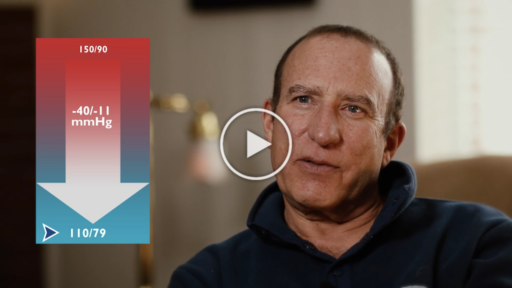
Watch How Mark Lowered His Blood Pressure Naturally.
How High Blood Pressure Leads to Heart Failure
Sustained high blood pressure forces the heart to work harder with every beat. Over years, this extra strain thickens the heart’s main pumping chamber. Doctors call this change left ventricular hypertrophy. A thickened, overworked heart eventually loses efficiency, and that decline can progress into heart failure.
The scale of this connection is striking. In the Framingham Heart Study, 91% of new heart failure patients had a history of high blood pressure. Hypertension raised the risk of developing heart failure twofold in men and threefold in women.
Controlling blood pressure early is one of the clearest ways to protect long-term heart function. The Mayo Clinic’s overview of heart failure makes the same point.
The RESPeRATE Study in Heart Failure Patients
Researchers followed patients with heart failure who added RESPeRATE to their standard treatment regimen. Over time, participants showed steady gains in exercise tolerance. Researchers measured this using a six-minute walk test. At baseline, 32% of participants reached the highest activity level. It then rose to 52% at three months and 64% at six months.
It was 170/110, this morning it was 120/80
Watch how Julie Lowered her Blood Pressure Naturally.


Echocardiography showed improvements in cardiac function as well. Participants also reported better scores on quality-of-life assessments. These gains built gradually across the study period rather than appearing right away. This pattern suggests a cumulative benefit from consistent, ongoing use.
Sleep, Heart Failure, and Blood Pressure
Sleep problems are common in heart failure patients, and poor sleep and high blood pressure often feed into each other. Disrupted sleep patterns can also raise blood pressure on their own. Sleep quality, blood pressure, and cardiac function all connect to each other. Addressing all three together gives a more complete picture of heart health than looking at any single measure alone.
Where RESPeRATE Fits Into Heart Failure Care
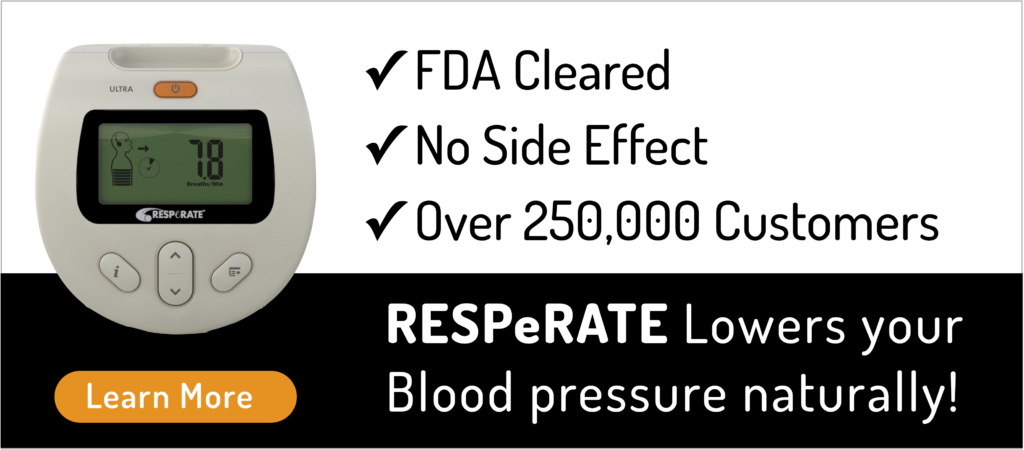
RESPeRATE is FDA-cleared for lowering blood pressure and stress and works alongside your physician-directed treatment plan. It does not carry a specific heart failure indication on its own. This study looked at RESPeRATE as an addition to standard heart failure therapy, not a replacement for it.
If you’re managing heart failure and hypertension together, talk to your doctor about RESPeRATE. Ask whether adding it to your overall health program makes sense for you.


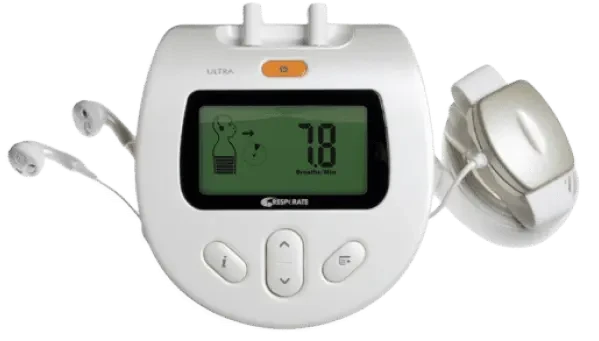
 Clinically proven

 Eli
Eli 





Comments
2 Replies to “RESPeRATE and Heart Failure: What the Long-Term Research Shows”
Thanks for the info, and the point that we need more research. This is certainly enlightening data.
You’re welcome Eugene.