
 Brian Fairchild
Editor’s note: The heading in the July 6, 2026 Newsletter was not amended to match the updated content of this post. This post originally asked what was normal, but never brought that into the conversation. This revision is intended to shore up that issue and to keep the most up-to-date data available to our readers.
Normal blood pressure is defined as a systolic reading below 120 mmHg and a diastolic reading below 80 mmHg. That single number pair — the familiar top and bottom of a blood pressure reading — is one of the most important data points in cardiovascular medicine. It tells your doctor how hard your heart is working, how healthy your arteries are, and how much risk you carry for heart attack, stroke, and kidney disease.
The 2025 AHA/ACC hypertension guideline — the most comprehensive update to blood pressure standards in nearly a decade — organizes blood pressure into four distinct categories. Each carries a different level of cardiovascular risk and a different set of recommended actions. Understanding which category you fall into, and what it means, is the starting point for protecting your heart.
It was 150/100, this morning it was 110/79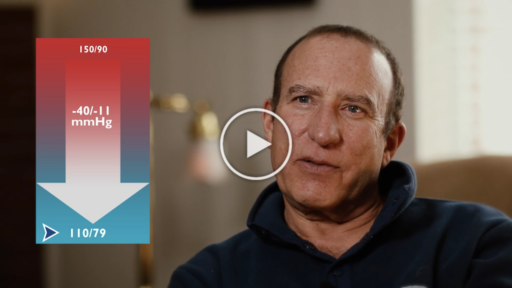
Watch How Mark Lowered His Blood Pressure Naturally.
Blood Pressure Categories: The 2025 AHA/ACC Framework
The American Heart Association and the American College of Cardiology jointly define four blood pressure categories. These classifications have remained consistent from 2017 through the updated 2025 guideline, confirming the clinical robustness of the framework.
| Category | Systolic (mmHg) | Diastolic (mmHg) | What It Means |
|---|---|---|---|
| Normal | Less than 120 | Less than 80 | Healthy range. Maintain with a heart-healthy lifestyle. |
| Elevated | 120–129 | Less than 80 | No medication needed yet, but lifestyle changes are recommended. High likelihood of progressing to hypertension without action. |
| Stage 1 Hypertension | 130–139 | 80–89 | Lifestyle changes required. Medication considered based on cardiovascular risk, diabetes, kidney disease, or 10-year CVD risk ≥7.5%. |
| Stage 2 Hypertension | 140 or higher | 90 or higher | Lifestyle changes plus medication typically required. Physician management is essential. |
| Hypertensive Crisis | Above 180 | Above 120 | Seek emergency medical care immediately. Call 911. |
Source: 2025 AHA/ACC Hypertension Guideline · View at JACC
What the Two Numbers Actually Mean
A blood pressure reading consists of two numbers written as a fraction. The top number is systolic pressure — the force your heart generates each time it beats and pushes blood into the arteries. The bottom number is diastolic pressure — the pressure remaining in your arteries between beats, when the heart is at rest and refilling.
Both numbers matter independently. You can have an elevated systolic reading with a normal diastolic, or vice versa. Either situation places you in the higher of the two applicable categories. Moreover, isolated systolic hypertension — where only the top number is high — is the most common form of hypertension in adults over 60 and carries significant cardiovascular risk even when the diastolic reading looks normal. For more on how doctors now assess your overall cardiovascular risk alongside these numbers, see What the 2025 Blood Pressure Guidelines Mean for You.
Understanding Your Reading: Each Category Explained
Normal — below 120/80 mmHg
A reading below 120/80 mmHg is normal. This is the goal for cardiovascular health. However, normal does not mean invulnerable. People with normal blood pressure can still develop hypertension, particularly with age, weight gain, or sustained high sodium intake. The CDC estimates that nearly half of all American adults have hypertension, meaning most people with currently normal readings will eventually cross into elevated or hypertensive territory without active lifestyle management.
Elevated — 120–129 systolic, below 80 diastolic
Elevated blood pressure sits above the normal ceiling but below the hypertension threshold. The 2025 guideline does not recommend medication at this stage for most people. Instead, it calls for lifestyle intervention: dietary changes, physical activity, sodium reduction, and weight management. Without those changes, people with elevated blood pressure have a high likelihood of progressing to Stage 1 hypertension. For a practical look at the risk this range carries, see our post on borderline hypertension.
Stage 1 Hypertension — 130–139/80–89 mmHg
Stage 1 hypertension requires lifestyle changes for everyone in this range and medication for those who also have diabetes, chronic kidney disease, established cardiovascular disease, or a 10-year cardiovascular risk score at or above 7.5 percent. The risk at this stage is real. Research across populations covering millions of participants shows that Stage 1 hypertension significantly raises the likelihood of heart attack, stroke, and arterial stiffness compared with normal blood pressure, even in younger adults.
Stage 2 Hypertension — 140/90 mmHg or above
Stage 2 hypertension typically requires both lifestyle changes and medication. At this level, the cardiovascular and kidney risks are significantly elevated. Untreated Stage 2 hypertension is one of the leading contributors to heart failure, stroke, and chronic kidney disease. Physician management is essential, not optional.
Hypertensive Crisis — above 180/120 mmHg
A reading above 180/120 mmHg is a hypertensive crisis. If you see this reading, check it again after five minutes. If it remains above 180/120, call 911 or go to the nearest emergency room immediately. Symptoms such as chest pain, shortness of breath, visual changes, or severe headache alongside a reading this high indicate a hypertensive emergency requiring immediate medical attention.
See our article on high blood pressure and headaches for a closer look at when headaches and hypertension are genuinely connected
It was 170/110, this morning it was 120/80
Watch how Julie Lowered her Blood Pressure Naturally.


How to Get an Accurate Reading
A single blood pressure reading is rarely the complete picture. Blood pressure varies throughout the day in response to activity, stress, caffeine, posture, temperature, and even the act of being in a medical setting. The 2025 guideline places increased emphasis on home blood pressure monitoring and ambulatory monitoring as more reliable tools for diagnosis and treatment decisions than office readings alone. For guidance on choosing a home device, see our review of the best home blood pressure monitors.
For the most accurate reading, follow these steps as outlined by NIH MedlinePlus.
- Sit quietly for at least five minutes before measuring
- Keep your feet flat on the floor with your back supported
- Rest your arm at heart level on a flat surface
- Do not smoke, exercise, or consume caffeine within 30 minutes before measuring
- Take two readings one minute apart and record both
- Measure at the same time each day — morning before medication and evening before bed are the standard times recommended by the 2025 guideline
What Raises Blood Pressure Over Time
Blood pressure does not become elevated randomly. Several well-documented factors drive it upward consistently.
Sodium intake
Excess sodium causes the kidneys to retain fluid, raising blood volume and pressure. The 2025 guideline recommends limiting sodium to 2,300 milligrams per day for most adults, and 1,500 milligrams for those with elevated blood pressure or cardiovascular risk factors.
Chronic stress
Sustained stress keeps the sympathetic nervous system in a high-alert state, elevating heart rate and constricting blood vessels. Over time, this contributes to persistently elevated readings. For a detailed look at the mechanism, see our article on how stress affects blood pressure.
Physical inactivity
Regular aerobic exercise strengthens the heart and improves arterial flexibility. Sedentary behavior allows vascular resistance to increase over time, gradually pushing resting blood pressure higher.
Excess body weight
Excess weight increases the total volume of blood the heart must pump and raises the output of hormones that retain sodium. Each kilogram of weight lost reduces systolic blood pressure by approximately 1 mmHg on average.
Alcohol and tobacco
Regular alcohol consumption raises blood pressure through multiple pathways including sympathetic nervous system activation and hormonal effects. Smoking causes acute rises in blood pressure with each cigarette and contributes to long-term arterial stiffness.
What About Low Blood Pressure?
Low blood pressure, or hypotension, is generally defined as a reading below 90/60 mmHg. For many people, low blood pressure causes no problems and may actually reflect good cardiovascular fitness. However, it becomes medically significant when it causes symptoms.
The most common symptom is orthostatic hypotension, a sudden drop in blood pressure when standing up from a seated or lying position. This causes dizziness, lightheadedness, or in some cases fainting. Other symptoms of problematic low blood pressure include blurred vision, nausea, fatigue, and difficulty concentrating. Causes include dehydration, certain medications (including some blood pressure drugs), prolonged bed rest, and underlying conditions such as heart problems, endocrine disorders, or severe infection.
Low blood pressure that causes no symptoms typically requires no treatment. Symptomatic hypotension warrants a conversation with your physician to identify and address the cause.
How RESPeRATE Supports Healthy Blood Pressure
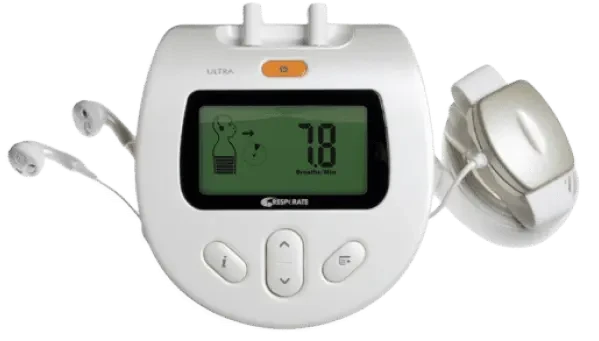
If your blood pressure is in the elevated or hypertensive range, RESPeRATE gives you a clinically proven, non-drug tool to help bring it down. It is the only FDA-cleared device of its kind, with more than 50 published studies documenting its effectiveness. RESPeRATE works by guiding slow breathing with prolonged exhalation, which activates the parasympathetic nervous system, relaxes constricted blood vessels, and reduces the neural signals that keep pressure elevated. It works alongside your physician-directed treatment plan as part of your overall health program. Review the full clinical evidence at our clinical proof page, or learn how it works.
Summary
Normal blood pressure is below 120/80 mmHg. The 2025 AHA/ACC guideline, which maintains the four-tier framework established in 2017, defines elevated blood pressure as 120–129 systolic, Stage 1 hypertension as 130–139/80–89 mmHg, and Stage 2 hypertension as 140/90 mmHg or above. Each category carries a different level of cardiovascular risk and a different recommended response, from lifestyle changes at the elevated stage to medication plus lifestyle modification for Stage 2.
Blood pressure is dynamic, not static. A single reading tells only part of the story. Home monitoring at consistent times, following correct technique, gives you the most reliable picture of where your numbers actually sit. For practical guidance on maintaining healthy readings, see our article on how to maintain a healthy blood pressure.

 Clinically proven


 Eli
Eli 




Comments
4 Replies to “What Is Normal Blood Pressure? A Complete Guide”
The email I received stated that 120/80 isn’t the full story, blood pressure targets differ by age, gender, and time of day. I cannot find in the article where it states what my blood pressure should be for my age, gender, and time of day. All it says is what the numbers mean. Did I miss something?
The short answer: guidelines don’t set hard targets broken down that specifically in a single chart, but the general picture is — older adults are often managed to slightly higher targets (some guidelines allow up to 130-140 systolic for 65+), readings naturally run a bit higher in the morning, and there are modest differences between men and women at certain life stages.
For a target that’s actually meaningful for you specifically, your doctor is really the only one who can set it — because medications, kidney function, diabetes history, and other factors all shift what number they’re aiming for.
How about a 73 year old woman when cardiologist says 130/80 & PCP & nephrologist say 120/80, in my case in office, white coat syndrome, elevated but at home daily readings low who do you listen to when it seems doctors can’t even agree.
The honest answer to “who do you listen to” is: the specialist managing the condition that puts you at the highest risk — which sounds like it may be your nephrologist. But that’s a conversation worth having openly with all three of them together, or at minimum asking each one directly: “My other doctors have a different target — can you help me understand why?”
You’re asking exactly the right questions.
Comments are closed.