
 Brian Fairchild
Selenium and sleep show up together often in wellness articles, but most skip the actual evidence. The honest answer is more nuanced than a simple yes or no. A handful of studies have found a connection. However, how strong that connection is depends heavily on who you are and how the research was designed. None of it proves that a supplement will help you sleep better.
What the Research Actually Says
A 2023 study tracked over 17,000 adults.
It found a modest association between higher selenium intake and better sleep, defined as 7 to 9 hours a night, according to research published in Nutrients. That link only held up in a subgroup of participants who were overweight. It did not appear in the general population. The study’s own authors said further research is needed to understand why.
A separate 2024 study used genetic data instead.
The researchers linked higher genetically determined selenium levels to a lower risk of obstructive sleep apnea specifically, according to research in Frontiers in Nutrition. That’s a narrower question than general insomnia. Genetic association studies like this one can’t tell you what happens if you simply start taking a supplement.
A third analysis looked at NHANES data.
It found that people with higher serum selenium levels reported fewer sleep disorders overall, according to a study in Science Direct. This was a snapshot in time, though. So it can show a correlation but can’t establish which came first.
Why the Evidence Is Hard to Pin Down
Nearly all of the research connecting selenium to sleep is observational or based on genetic correlation. Very little of it comes from controlled trials where researchers actually give people selenium and measure the results. That distinction matters. Observational studies can show two things tend to occur together, but they can’t rule out other explanations. For instance, people who eat more selenium-rich foods also tend to have generally healthier habits overall, and those habits could be doing the real work. The clearer signal in the research is around deficiency, not supplementation in people who are already getting enough.
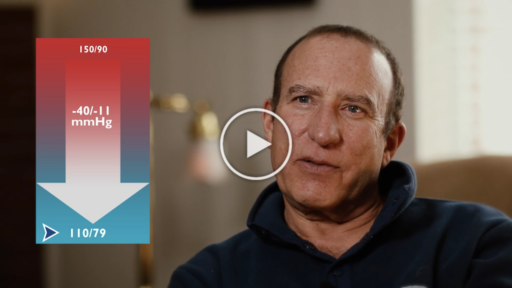
Watch How Mark Lowered His Blood Pressure Naturally.
It was 150/100, this morning it was 110/79

Food Sources of Selenium
Selenium content in food depends heavily on the soil it was grown in, and soil content varies widely by region. Good sources include:
- Brazil nuts
- Fish and shellfish
- Beef, turkey, and chicken
- Fortified cereals and whole-wheat bread
- Beans and lentils
Most Americans get the bulk of their selenium from everyday staples like poultry, red meat, bread, and eggs. Brazil nuts and seafood are richer sources, but they’re not where most people get theirs.

Watch how Julie Lowered her Blood Pressure Naturally.
It was 170/110, this morning it was 120/80
Learn More

Should You Take a Selenium Supplement for Sleep
There’s no established therapeutic dose of selenium for sleep. Megadosing also carries real risk. The Tolerable Upper Intake Level is 400 micrograms per day. Going beyond that over time can lead to selenium toxicity, with symptoms including hair loss, nausea, and nerve damage. If you’re not at elevated risk for a deficiency, there’s no evidence that taking more improves sleep or anything else.
A food-first approach is therefore the safer place to start. If you’re curious about other minerals, magnesium has a somewhat better-established sleep connection. It’s worth a look as a related angle. Talk to your doctor before adding any new supplement, especially if you’re already on medication.
How to Lower Blood Pressure Naturally
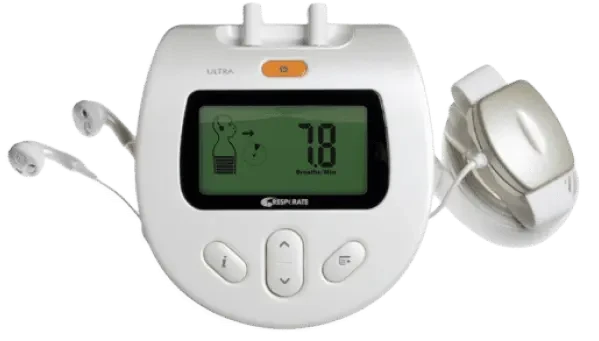
Good sleep and healthy blood pressure are closely linked. For an added layer of support, RESPeRATE is an FDA-cleared device. It works alongside your physician-directed treatment plan as part of your overall health program.

 Clinically proven

 Eli
Eli 





Comments