
 Brian Fairchild

Women experience insomnia at significantly higher rates than men, and the gap is larger than most people realize. CDC data shows that 17.1% of women report trouble falling asleep most days or every day, compared to 11.7% of men. That is nearly a 50% higher rate. The gap widens further for staying asleep. 20.7% of women experience difficulty maintaining sleep, versus 14.7% of men. A meta-analysis pooling data from 13 studies confirmed women have a significantly higher prevalence of insomnia than men, with an odds ratio of 1.58.
For women managing blood pressure, that disparity carries a specific cardiovascular consequence. Poor sleep impairs the overnight blood pressure dip, the 10 to 20 percent reduction in pressure that healthy sleep produces. The cardiovascular system depends on that window for repair. Women who experience chronic insomnia, particularly those in perimenopause and menopause, face elevated risk of blunted nocturnal dipping and higher morning blood pressure readings. For a detailed look at what happens to blood pressure during sleep, see our post on blood pressure during sleep.
It was 150/100, this morning it was 110/79
Watch How Mark Lowered His Blood Pressure Naturally.
Why the Gap Starts at Puberty
A 2025 systematic review published in the Journal of Sleep Research examined gender differences in insomnia across the lifespan. The review found that the gap begins at puberty, with girls experiencing poorer sleep than boys after menarche. The researchers identified hormonal, physiological, psychological, social, and environmental factors as all contributing to higher insomnia prevalence in women. Furthermore, this disparity persists through every subsequent life stage.
Estrogen and progesterone, the female sex hormones that rise at puberty, have direct effects on sleep architecture. Progesterone carries a mild sedative effect when levels are high. However, their fluctuations across the menstrual cycle, particularly the premenstrual drop in both hormones, can disrupt sleep quality and onset. Women often report worse sleep in the days before menstruation, consistent with this hormonal pattern.
Pregnancy
Pregnancy is a significant sleep disruptor, particularly in the third trimester. Approximately 75% of pregnant women report sleep disturbances. Physical factors include increased abdominal size, pressure on the bladder requiring frequent nighttime trips, and positional discomfort. Hormonal shifts also alter sleep architecture during this period. The disruption often continues postpartum through nighttime feedings and infant care demands.
Research also confirms that sleep apnea becomes more common during pregnancy. Sleep apnea independently raises blood pressure and impairs overnight blood pressure dipping. For women already at risk of hypertension, the sleep disruption of pregnancy carries a cardiovascular dimension beyond fatigue alone.
Menopause: The Most Significant Driver
The transition to menopause represents the most clinically significant period for the gender gap in insomnia prevalence. The Journal of Sleep Research review specifically identified menopause as exacerbating the gender gap through physiological and psychological symptoms including hot flashes, sleep disturbances, and mood changes.
Hot flashes and night sweats are the most direct mechanism. These vasomotor symptoms wake women from sleep and then make returning to sleep difficult. They can persist for months or years. Furthermore, the hormonal changes of menopause affect sleep architecture beyond vasomotor symptoms. Reduced estrogen affects the brain’s temperature regulation and arousal systems. Reduced progesterone removes its mild sedative contribution to sleep quality.
For women managing blood pressure, the menopause transition compounds cardiovascular risk in a specific way. The same hormonal changes that impair sleep also directly affect blood pressure regulation through the renin-angiotensin-aldosterone system and sympathetic nervous system activity. Blood pressure tends to rise. Sleep quality deteriorates. Both processes compound each other. For a deeper look at how hormonal changes at menopause affect blood pressure specifically, see our article on aldosterone and hypertension in women.
Psychological and Social Factors
Depression and anxiety are two of the most significant contributors to chronic insomnia, and women are more likely than men to experience both. Women are approximately twice as likely as men to receive a depression diagnosis during their lifetime. Anxiety disorders are also more prevalent in women. The bidirectional relationship between insomnia and mental health means each condition worsens the other. For more on how the stress response directly affects blood pressure, see our article on how stress affects blood pressure.
Research from Brigham and Women’s Hospital and Harvard Medical School found that societal disparities, including unequal distribution of domestic duties and caregiving responsibilities, are key drivers behind the psychological stress that precipitates mental health disorders and subsequently insomnia. A 2024 Sleep Foundation survey found that men spend half as much time on caregiving responsibilities as women on a given day. Women who carry a disproportionate caregiving burden often experience disrupted sleep from nighttime responsibilities alongside elevated cortisol from chronic stress.
Urinary tract infections, which are far more common in women than men, also represent a frequently overlooked insomnia trigger. Urgency and discomfort disrupt sleep, and the recurrent nature of UTIs can make this a chronic contributor rather than an acute one.
The Consequences of Chronic Insomnia in Women
The consequences of chronic insomnia extend beyond fatigue. Attention, concentration, and memory all suffer. Performance at work and social engagement decline. Irritability increases. Over time, chronic insomnia raises the risk of developing depression, anxiety, and cardiovascular disease. For a detailed look at what happens to blood pressure specifically during disrupted sleep, see our post on deep sleep and blood pressure.
For women managing blood pressure, the most clinically relevant consequence is cardiovascular. Each night of disrupted or insufficient sleep impairs the overnight blood pressure dip, keeps the sympathetic nervous system more active, and raises morning cortisol. These effects accumulate over time. Women with hypertension who also experience chronic insomnia face a compounding cardiovascular burden that neither condition alone produces.
It was 170/110, this morning it was 120/80
Watch how Julie Lowered her Blood Pressure Naturally.


Addressing Insomnia: What the Evidence Supports
Cognitive Behavioral Therapy for Insomnia (CBT-I)
CBT-I is the most evidence-based treatment for chronic insomnia and is recommended as the first-line approach by major sleep medicine bodies. It addresses both the behavioral patterns and the cognitive components of insomnia more effectively than medication over the long term. For women whose insomnia reflects menopause symptoms, CBT-I combined with management of vasomotor symptoms produces the best outcomes.
Sleep hygiene practices
Sleep hygiene practices support the overall sleep environment and provide a practical daily foundation. Going to sleep and waking at the same time each day anchors the circadian rhythm. Keeping the bedroom cool, dark, and quiet addresses environmental triggers. Limiting caffeine to the morning removes a common arousal contributor. Avoiding bright screens in the hour before bed protects melatonin onset. Regular aerobic exercise significantly improves sleep quality, though intense exercise close to bedtime can delay sleep onset by raising core temperature.
Menopause-specific management
For women experiencing menopause-related insomnia specifically, discussing vasomotor symptom management with a physician is an important step. When hot flashes and night sweats drive the primary sleep disruption, addressing them directly improves sleep quality more effectively than sleep hygiene alone. Your physician can advise on the range of options appropriate for your situation.
Where RESPeRATE Fits
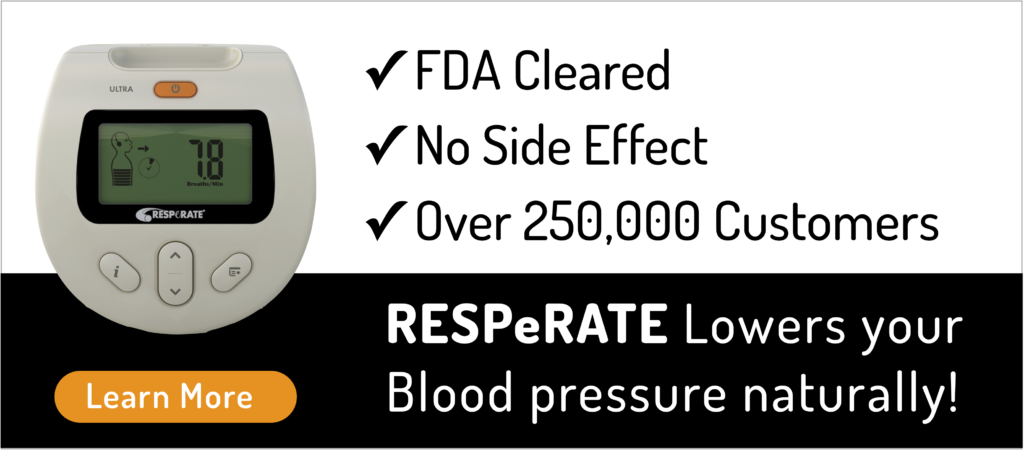
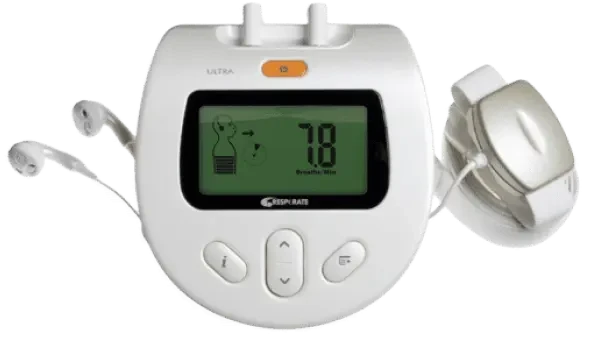
RESPeRATE addresses the sympathetic nervous system component of insomnia-related blood pressure elevation directly. Used in the evening before bed, it shifts the nervous system from sympathetic to parasympathetic mode through slow, device-guided breathing with prolonged exhalation. This calms the physiological arousal that chronic stress, anxiety, and hormonal changes all sustain. It also supports the pre-sleep transition that the overnight blood pressure dip depends on. RESPeRATE is the only FDA-cleared non-drug device clinically proven to lower blood pressure. Use it as part of your overall health program alongside your physician-directed treatment plan. Review the full evidence at our clinical proof page.
Summary
Women face a substantially higher burden of insomnia than men across every life stage, driven by hormonal, psychological, and social factors that interact and compound each other. The three major hormonal transitions of puberty, pregnancy, and menopause each mark a significant increase in insomnia risk. For women managing blood pressure, the sleep-cardiovascular connection makes addressing insomnia a cardiovascular priority. CBT-I remains the most evidence-based treatment. Sleep hygiene practices, management of menopause symptoms, and tools that calm the sympathetic nervous system before bed all contribute to a comprehensive approach.


 Clinically proven

 Eli




