
 Eli Ben-Yehuda
Coconut oil has surged in popularity over the past decade, praised as a superfood and criticized as a cardiovascular concern. From smoothies to sauté pans, it has become a staple in many health-conscious kitchens. Yet when it comes to heart health, the debate remains far from settled.
Supporters argue that coconut oil’s unique composition, particularly its medium-chain triglycerides, offers metabolic benefits. Critics point to its high saturated fat content and its potential impact on LDL cholesterol levels. These conflicting perspectives have left many consumers wondering what the science actually says.
Understanding whether coconut oil is good or bad for your heart requires looking beyond headlines and marketing claims. A careful review of current research helps clarify how it affects cholesterol, inflammation, and overall cardiovascular risk. Evidence-based guidance is essential for making informed dietary choices.
What’s in the oil?
Oil is composed of a mixture of fatty acids, which can be broadly categorized into three types: saturated, monounsaturated, and polyunsaturated fatty acids. Each type of oil typically contains varying proportions of these fatty acids, and is often named after the fatty acid that predominates. Here’s a brief overview of each type:
- Saturated Fatty Acids: These fats have no double bonds between the carbon atoms of the fatty acid chain and are typically solid at room temperature. Common sources include coconut oil, butter, and palm oil. Saturated fats are known to raise levels of LDL (bad) cholesterol in the blood.
- Monounsaturated Fatty Acids (MUFAs): These fats have one double bond in the fatty acid chain. They are usually liquid at room temperature but start to solidify when chilled. Olive oil, peanut oil, and canola oil are high in monounsaturated fats. MUFAs are considered heart-healthy as they can help reduce bad cholesterol levels in your blood which can lower your risk of heart disease and stroke.
- Polyunsaturated Fatty Acids (PUFAs): These fats have more than one double bond. They are typically liquid at room temperature and in the refrigerator. Examples include sunflower oil, corn oil, and fish oils. Polyunsaturated fats can help decrease the risk of type 2 diabetes and heart disease.
Additionally, oils may contain various amounts of vitamins, antioxidants, and other compounds depending on the source and processing method. For example, extra virgin olive oil is known for its high content of antioxidants and anti-inflammatory properties.
What’s in coconut oil?
Coconut oil is one of the rare plant sources of saturated fat. The oil is extracted from the meat of mature coconuts that grow on the coconut palm. Coconut oil is not to be confused with coconut water, which is the fluid inside coconuts.
Coconut oil has been shown to increase LDL, or “bad cholesterol,” which is the top risk factor for high blood pressure and heart disease. It contains more than 90% saturated fat, for comparison, butter is closer to 60% saturated fat.
One recent study found that coconut oil significantly worsened bad cholesterol (LDL). LDL cholesterol levels correlate with risk of heart attack and other cardiovascular events. For people with LDL under 60 or 70, coconut oil may not be a problem.
On the other hand, a randomized study, published 2018, showed that although, coconut oil increases LDL, it does so, less than butter, and similar to olive oil. The researchers say that more research is required to understand the effects of coconut oil on our blood pressure and heart health.

Watch How Mark Lowered His Blood Pressure Naturally.
It was 150/100, this morning it was 110/79

Closing Thoughts
The question of coconut oil’s role in heart health does not have a simple yes-or-no answer. While it may offer certain metabolic properties, its high saturated fat content raises legitimate concerns for cardiovascular risk. Most major health organizations continue to recommend limiting saturated fats, including coconut oil.
Moderation and dietary context are key. Coconut oil used occasionally within a balanced diet rich in fruits, vegetables, whole grains, and unsaturated fats is unlikely to pose significant harm for most people. However, relying on it as a primary fat source may not align with heart-healthy guidelines.
Ultimately, the strongest evidence still supports replacing saturated fats with unsaturated options like olive oil, nuts, and fatty fish. Making informed decisions based on credible research can help protect long-term cardiovascular health. When it comes to coconut oil, thoughtful balance matters more than bold claims.

 Clinically proven


 Brian
Brian 




Comments
4 Replies to “Is Coconut Oil Good or Bad for Your Heart? A Science-Based Review”
I consider this article not to be accurate and base my comment in real life. I and many have consumed coconut oil from since childhood and have not issues with increased LDL. What is proof this happening except american forever long battle against saturated fat? At the same recommending beef and magarine on their ama sites. Nonsense
Well Andre it would seem that I have stuck a the nerve of people today. I am glad that we can have a dialogue. My information comes from leading nutritionists and medical physicians. For example Doctor Dean Ornish M.D, Doctor Michael Greger M.D, Doctor Joel Fuhrman M.D, Dr Neal Bernard M.D and finally Dr Caldwell B. Esselstyn M.D at The Cleveland Clinic Cardiac Health and Wellness Center etc… I also understand that the Cattle Industry, The Egg Industry, and Dairy Industry also conduct their own studies. If you wish to know more you can google or YouTube any of the above physicians if you are interested in learning more. In the end you must decide what is best for you. Thank you for your input. 🙂
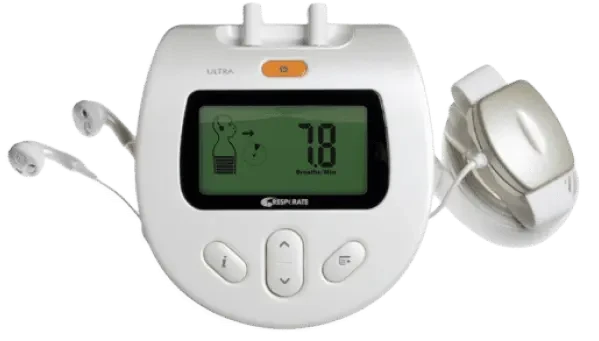
While I would agree the aforementioned doctors by Eli, are great, and following their diet recommendations can make a huge difference, with heart disease, especially with fat, but everyone is different. However not all diets fit everyone, I know because I followed the diets of Doctor Dean Ornish M.D, Dr Caldwell B. Esselstyn M.D after my open heart surgery related to congenital defect in an usually shaped bicuspid heart valve and aortic stenosis set in which was replaced in 2018. I learned following there diets, I had major hypertensive responses, to vinegar, oats, agave, soy, cream of rice with iron, 47 different foods. I also learned that you can become B-12 & iron deficient, & learned the hard way you can hypertensive responses to supplements like B-12 & iron. I also learned in this process there, Beta Blockers, Calcium Channel Blockers, Hydrochlorothiazide, Alpha Channel Blockers, Benadryl, Amoxicillin, some ACE inhibitors, cause the opposite effect in me, that take me into hypertensive crisis example 235/133 with Coreg 20 MG XL. I have been using RESPeRATE for about 6 weeks now, going into my 7th week, I can tell you I am slowly moving my BP from 156/115 HR 83 when I started now down to 143/106 HR 64 on average, I am using the device once to twice a day 15 to 30 minutes at time.
My Diet is comprised of lots of fresh vegetables & low fruit diet only 2 max a day, some eggs, chicken breast, grass fed beef steak, or ground beef, fresh lemon juice for salad dressing, lots of herbs, some oils avocado, grape seed, coconut, etc. I document everything eat or drink, I have yet to find a dietitian or doctor who figure out why I respond to these things the way I do. I write this in hopes it will help someone else.
Hi Sean, Wow thank you for the information. I would recommend 2 20 minute session daily. Once in the morning and once in the evening.
Kindest Regards, Eli, Content Manager. RESPeRATE.