
 Eli Ben-Yehuda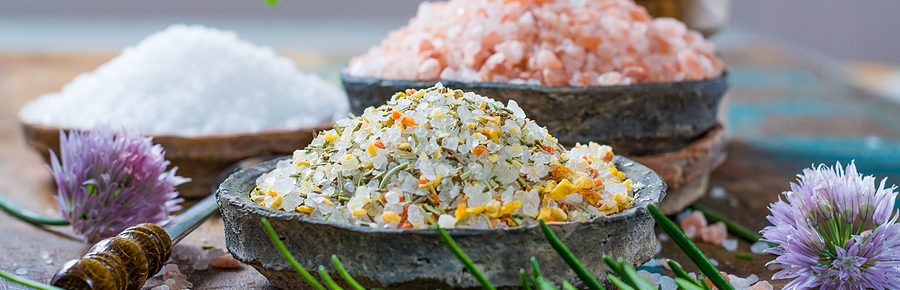
Sea Salt Vs Table Salt
If you’re trying to manage high blood pressure, one of the first pieces of advice you’ll hear is to reduce your salt intake. But with so many different types of salt available—especially sea salt and table salt—it’s natural to wonder whether one option is healthier than the other. Many people assume sea salt is the better choice because it’s less processed and more “natural,” but when it comes to hypertension, the truth is a bit more complex.
Sea salt and table salt may look different, but both contain roughly the same amount of sodium by weight—the mineral responsible for raising blood pressure. What does set them apart are their texture, mineral content, and how they’re produced. These differences can influence how much salt you use and how it tastes, but not necessarily how it affects your heart. Understanding these details can help you make smarter choices for a heart-healthy lifestyle.
If you’re working to lower your blood pressure, choosing the right type of salt is only part of the equation. Learning how sodium affects the body and how to reduce overall intake can play a much bigger role in supporting your cardiovascular health. Before you reach for the salt shaker, let’s break down what really separates sea salt from table salt—and what it means for your blood pressure.
Some varieties of sea salt may claim to have less sodium than table salt. You can check the Nutrition Facts label to compare how a given sea salt compares to table salt, which has about 575 mg sodium per ¼ teaspoon.
“It’s very important for people to be aware that sea salt often has as much sodium as table salt,” said Rachel K. Johnson, Ph.D., R.D., an American Heart Association spokeswoman and the Bickford Professor of Nutrition at the University of Vermont.

Watch How Mark Lowered His Blood Pressure Naturally.
It was 150/100, this morning it was 110/79
Heart Health and Sodium Intake
When it comes to high blood pressure, the type of salt you choose matters less than the total amount you consume. Although sea salt offers a more natural texture and trace minerals, it still contains the same sodium that can elevate blood pressure when consumed in excess. Table salt, despite being more processed, isn’t inherently worse—it simply behaves differently in recipes and dissolves more quickly.
The most heart-friendly approach is focusing on overall sodium reduction, regardless of the salt you prefer. Experimenting with herbs, spices, citrus, and flavorful seasonings can help you rely less on salt while still enjoying delicious meals. Reading labels, choosing whole foods, and cooking at home more often can also make a meaningful difference in lowering blood pressure.
Ultimately, the best salt for managing high blood pressure is whichever one you use less of. By being mindful of sodium intake and adopting heart-healthy habits, you can protect your cardiovascular health one flavorful, balanced meal at a time.

 Clinically proven


 Brian
Brian 



Comments
6 Replies to “Sea Salt vs. Table Salt: Which Is Better for High Blood Pressure?”
Your most certainly welcome
Thank you for the feedback. It is much appreciated.
I read that presenting with a thyroid problem can cause hypertension. Is this accurate?
Hi Alice, It all depends on the problem with the thyroid and what caused the problem. If
you have concerns I would speak with your physician. Kindest Regards Eli.
Sea salts that are gathered from the ocean are increasingly found to be contaminated with micro-plastics. If you are going to use salt, it may be safer to use salt harvested from seabeds that existed many millions of years ago. Himalayan salt comes from ancient seabeds that existed before our modern times.
Hi George, Thank you for that information. Kindest Regards, Eli, Content Manager, RESPeRATE.
Comments are closed.