
 Brian Fairchild

Piquillo peppers are one of the more underappreciated cardiovascular ingredients in a Mediterranean-style kitchen. Roasted over wood fire and packed in their own juices, they bring a concentrated smoky sweetness and a natural depth of flavor that requires very little added seasoning to work well. Combined with chickpeas, lean chicken, and a broth built on aromatics, they produce a soup with genuine substance. The original version of this recipe used heavy cream to finish, which pushed the saturated fat per serving to a level that disqualifies it from the DASH eating plan. Evaporated skim milk produces an equally creamy result with a fraction of the saturated fat and this version keeps sodium under 500 milligrams per serving.
It was 150/100, this morning it was 110/79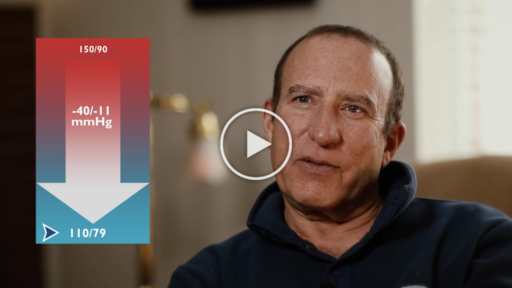
Watch How Mark Lowered His Blood Pressure Naturally.
Why These Ingredients Support Heart Health
Piquillo peppers
Piquillo peppers are a variety of small, sweet roasted red pepper from northern Spain. They are exceptionally rich in vitamin C, carotenoids, and capsaicin compounds. Vitamin C is a potent antioxidant that protects endothelial cells from oxidative damage. Carotenoids including lycopene and beta-carotene both have documented cardiovascular effects. Capsaicin has mild vasodilatory properties. Together these compounds give piquillo peppers a cardiovascular credential beyond their role as a flavoring ingredient.
Chickpeas
Chickpeas are one of the best DASH-aligned protein sources in the legume category. They provide fiber (7 grams per half cup), magnesium, potassium, and folate alongside plant protein. The soluble fiber in chickpeas supports healthy cholesterol levels and slows glucose absorption. The NHLBI’s DASH Eating Plan recommends 4 to 5 servings of legumes per week as part of a blood pressure management diet. A bowl of this soup delivers a meaningful portion of that in a single meal.
Lean chicken
Boneless skinless chicken breast provides high-quality protein with very low saturated fat. This recipe uses it as a secondary protein alongside the chickpeas rather than as the sole protein source, which keeps each serving lean without sacrificing substance.
A note on sodium and the cream swap
The original version of this recipe carried approximately 980 milligrams of sodium per serving, primarily from canned chickpeas, jarred piquillo peppers, and added salt. The American Heart Association recommends no more than 2,300 milligrams of sodium per day, with 1,500 milligrams as the target for people managing hypertension. Rinsing the chickpeas and peppers thoroughly, choosing no-salt-added chickpeas where possible, and eliminating the added salt brings this recipe to approximately 430 milligrams per serving. Replacing the heavy cream with evaporated skim milk simultaneously drops the saturated fat from 10 grams per serving to under 1 gram. The resulting soup tastes the same. The cardiovascular profile is substantially different.
Ingredients
Makes 4 servings
- 1 lb (450g) boneless skinless chicken breast, cut into bite-sized pieces
- 2 tbsp extra-virgin olive oil, divided
- 1 medium onion, finely chopped
- 3 cloves garlic, minced
- 1 carrot, finely chopped
- 1 celery stalk, finely chopped
- 1 tsp smoked paprika
- 1/2 tsp ground cumin
- 1/2 tsp dried thyme
- 1/4 tsp black pepper
- 1/4 tsp cayenne pepper (optional)
- 1 can (15 oz) chickpeas, no-salt-added preferred or drain and rinse thoroughly to remove excess sodium
- 1 jar (12 oz) piquillo peppers, drained and rinsed, choose water-packed where available; check label for lowest sodium option
- 4 cups low-sodium chicken broth
- 1/2 cup evaporated skim milk (replaces heavy cream and produces the same creamy texture with a fraction of the saturated fat)
- A small pinch of salt, if needed, taste before adding; the spices and broth carry the seasoning
- Fresh flat-leaf parsley, chopped, for garnish
It was 170/110, this morning it was 120/80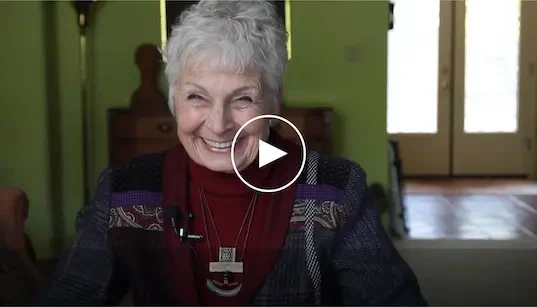
Watch how Julie Lowered her Blood Pressure Naturally.


Directions
- Heat one tablespoon of olive oil in a large pot or Dutch oven over medium-high heat. Add the chicken pieces and cook for 5 to 7 minutes, stirring occasionally, until browned and cooked through. Transfer to a plate and set aside.
- Reduce heat to medium. Add the remaining tablespoon of olive oil to the same pot. Add the onion, garlic, carrot, and celery and cook for about 5 minutes, stirring occasionally, until softened and fragrant.
- Add the smoked paprika, cumin, thyme, black pepper, and cayenne if using. Stir for about one minute until the spices are fragrant.
- Add the rinsed chickpeas, drained piquillo peppers, chicken broth, and the cooked chicken. Stir to combine and bring to a simmer. Reduce heat to medium-low, cover, and simmer for 20 minutes.
- For a creamier texture, use an immersion blender to partially blend the soup, leaving some texture intact. Alternatively, transfer about 2 cups of soup to a blender, blend until smooth, and return to the pot.
- Remove from heat and stir in the evaporated skim milk. Return to low heat for 2 to 3 minutes until heated through. Taste before adding any salt, the spices and broth usually make it unnecessary.
- Ladle into bowls, garnish with fresh parsley, and serve alongside a green salad or whole grain bread.
Storage: This soup keeps well in the refrigerator for up to 3 days and freezes for up to 2 months. The evaporated skim milk may separate slightly on reheating, whisk gently to recombine.
Heart-Healthy Eating as Part of a Broader Plan
Soups like this one demonstrate that managing blood pressure through diet does not require sacrificing flavor or satisfaction. For more whole foods with documented cardiovascular benefit, see our roundup of natural foods to lower blood pressure. If you enjoy hearty, plant-forward bowls, our Japanese Udon With Mushroom Broth uses a similar approach, building depth of flavor from mushrooms and aromatics rather than saturated fat.
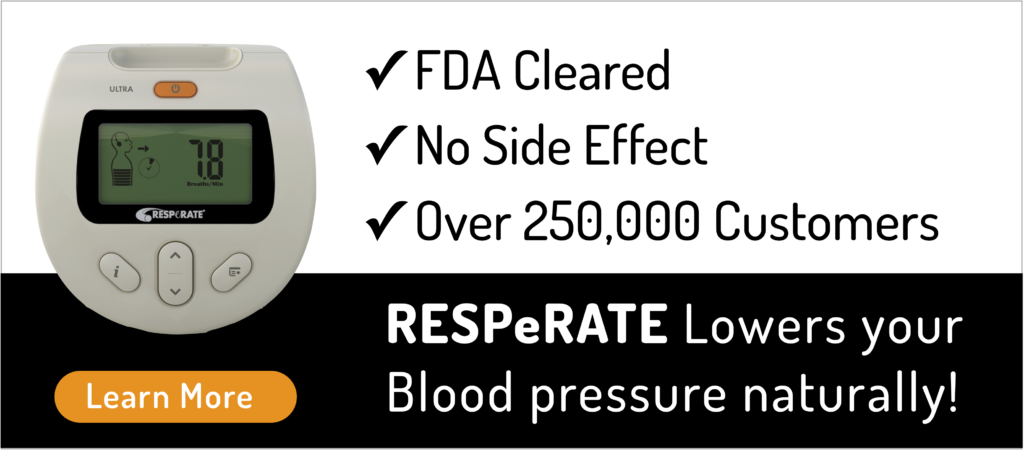
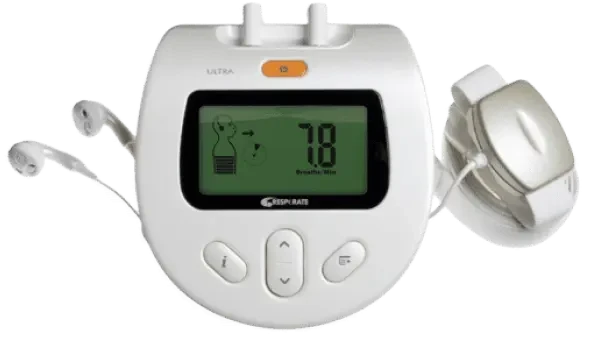
RESPeRATE works alongside a heart-healthy diet by addressing the neural side of blood pressure, calming the sympathetic nervous system activity that diet alone cannot fully resolve. It is the only FDA-cleared non-drug device clinically proven to lower blood pressure. Use it as part of your overall health program alongside your physician-directed treatment plan. See the full evidence at our clinical proof page.
We have collected dozens of great heart-healthy recipes for you. Here they are.


 Clinically proven

 Eli






Comments