
 Eli Ben-Yehuda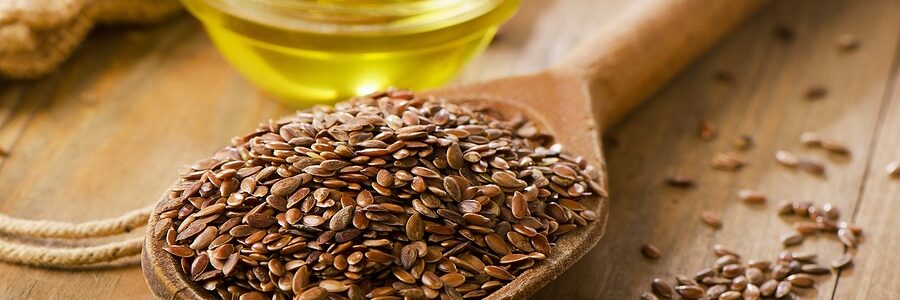
What is Flax seed?
The flax plant(Linum usitatissimum), which dates back to ancient times, not only yields linen fibers for cloth, it also yields health benefits.
Its edible seeds are rich in alpha-linolenic acid (ALA, and omega 3-fat related to those in fish), lignans (plant estrogens), and fiber (including soluble polysaccharides). These have anti-inflammatory, antioxidant, and other potentially beneficial effects on the cardiovascular system.
Flaxseed and blood pressure
A systematic review of studies, published online in The Journal of Nutrition, suggests that these little brown or golden seeds may have blood pressure benefits in particular.
The paper reviewed 15 clinical trials that included more than 1,300 people and used various flaxseed products (the seeds themselves or extracts of the seed’s oil or lignans).
Overall, flaxseed reduced systolic blood pressure (the top number) by nearly 3 points and diastolic (lower number) by more than 2 points, on average, with greater effects seen in trials that were 12 weeks or longer and, generally, for the seeds compared to the oil and lignan extracts. According to the researchers, the blood pressure benefits may be due to the synergistic action of the flaxseed compounds.
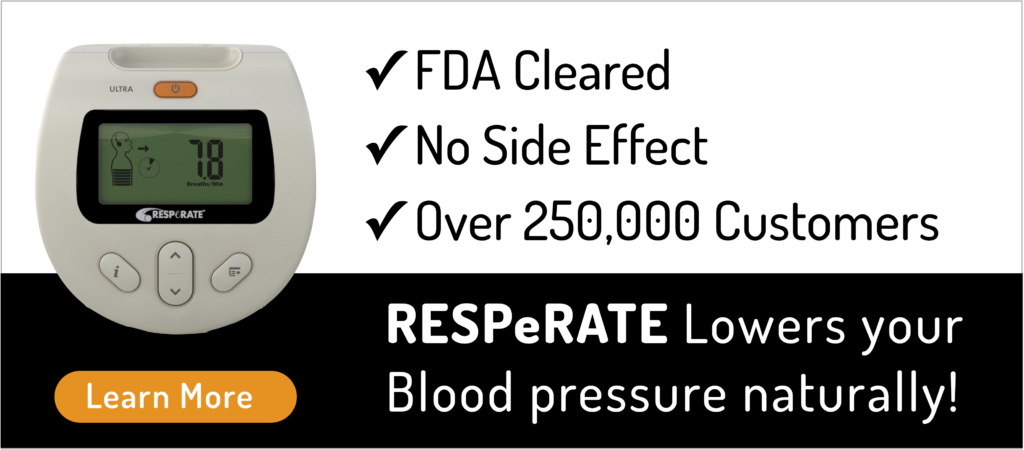
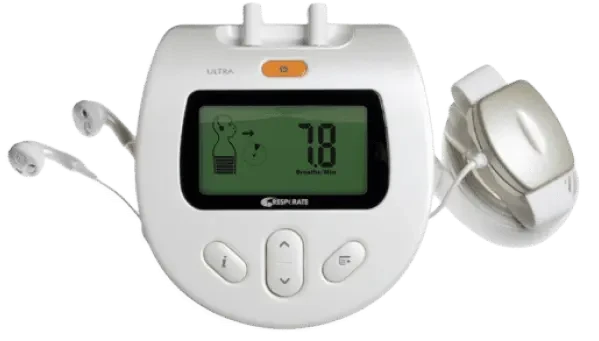
For additional methods to manage blood pressure, you can explore resperate reviews. There are many natural ways to lower you blood pressure including using RESPeRATE. But don’t just take our word for it. Read how people, just like you, have lowered their blood pressure in RESPeRATE Reviews.

Watch how Julie Lowered her Blood Pressure Naturally.
It was 170/110, this morning it was 120/80
Learn More
How to use flaxseed for high blood pressure?
One tablespoon of flaxseed (ground) has about 40 calories, 3 grams of fat (more than half of which is ALA), almost 2 grams of protein, and more than 2 grams of fiber. It’s better to consume the seeds ground since the whole seeds pass through the body mostly undigested.
You can buy flaxseed already milled or, better yet, buy them whole and grind them yourself (a coffee bean grinder works well) just before using, as this will slow rancidity (the oils in flaxseed are highly unsaturated, so they are more susceptible to oxidation). Store the seeds, ground or whole, in an airtight container in the refrigerator or freezer to keep them fresh longer.
There are many natural ways to lower you blood pressure including using RESPeRATE. But don’t just take our word for it. Read how people, just like you, have lowered their blood pressure in RESPeRATE Reviews.
Healthy Recipes with Flaxseed:
With so many health benefits of using flaxseed I highly recommend adding it to your diet


 Clinically proven







Comments