
 Eli Ben-Yehuda
High blood pressure affects millions of people worldwide and often develops without obvious symptoms. This earns its reputation as a “silent” health concern. While medication and lifestyle changes remain the foundation of blood pressure management, many people are also exploring complementary practices that support overall cardiovascular health. Acupressure, is a technique rooted in traditional Chinese medicine,. This is one such approach gaining attention for its gentle, noninvasive nature.
Acupressure works by applying steady pressure to specific points on the body believed to influence energy flow, circulation, and relaxation. By encouraging the body’s natural calming response, acupressure may help reduce stress and tension—two factors that can contribute to elevated blood pressure. When practiced consistently and correctly, it can become a simple addition to a broader wellness routine.
This guide explores how acupressure points may support healthy blood pressure when used alongside medical care and healthy habits. Whether you are newly diagnosed or simply looking for natural ways to support heart health, understanding the role of acupressure can empower you to take a more active role in your well-being.

Understanding Hypertension and Acupressure
Hypertension occurs when the force of blood pushing against the walls of the arteries is consistently too high. This can lead to various health problems, including heart disease, stroke, and kidney damage. Acupressure aims to restore balance and harmony within the body by stimulating specific points along energy meridians, promoting the smooth flow of qi (life energy) and blood circulation.
Acupressure Points for Hypertension
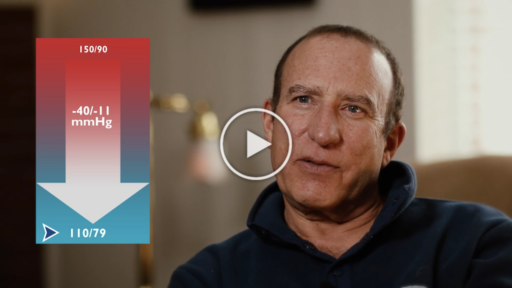
Watch How Mark Lowered His Blood Pressure Naturally.
It was 150/100, this morning it was 110/79
Large Intestine 4 (LI4) – Hegu
Location: On the highest point of the muscle between the thumb and index finger, in the webbing.
Benefits: LI4 is a powerful point for relieving stress, headaches, and pain, all of which can be associated with hypertension. It also helps to calm the mind and promote relaxation.
Liver 3 (LV3) – Taichong
Location: On the top of the foot, in the webbing between the big toe and the second toe.
Benefits: LV3 is known for its ability to soothe emotions, reduce stress, and alleviate headaches. It also supports liver function, which is crucial for maintaining healthy blood pressure.
Pericardium 6 (PC6) – Neiguan
Location: About two finger widths below the wrist crease, between the tendons of the palmaris longus and flexor carpi radialis muscles.
Benefits: PC6 is a vital point for calming the spirit, reducing anxiety, and promoting heart health. It is often used to alleviate symptoms of hypertension, such as dizziness and palpitations.
Governing Vessel 20 (GV20) – Baihui
Location: On the top of the head, at the midpoint of the line connecting the apexes of the ears.
Benefits: GV20 is a potent point for calming the mind, reducing stress, and alleviating headaches. It also helps to lower blood pressure by promoting relaxation and mental clarity.
Spleen 6 (SP6) – Sanyinjiao
Location: About three finger widths above the inner ankle bone, behind the tibia.
Benefits: SP6 is a versatile point that supports the spleen, kidneys, and liver, all of which play essential roles in maintaining healthy blood pressure. It also helps to alleviate stress, anxiety, and insomnia.
How to Perform Acupressure
To stimulate these acupressure points, follow these steps:
- Find a comfortable position, either sitting or lying down.
- Using your thumb or index finger, apply firm, steady pressure to the desired point.
- Hold the pressure for 1-2 minutes, focusing on slow, deep breaths.
- Release the pressure gradually and repeat the process on the corresponding point on the other side of the body, if applicable.
You can stimulate these points several times a day for optimal results.
Safety and Precautions
While acupressure is generally safe, it’s essential to consult with a healthcare provider before starting any new treatment, especially if you have a pre-existing medical condition or are pregnant. Some acupressure points, such as LI4 and SP6, should be avoided during pregnancy, as they can induce labor.
Acupressure should not be used as a replacement for conventional medical treatment. Always follow your healthcare provider’s advice regarding medication and lifestyle changes for managing hypertension.
Conclusion
Acupressure offers a mindful, accessible way to support relaxation and overall cardiovascular health. While it is not a replacement for prescribed treatments, it can complement medical guidance by helping to ease stress, promote circulation, and encourage body awareness. Small, consistent practices often create meaningful long-term benefits.
Incorporating acupressure into your daily routine requires little time or equipment, making it an appealing option for many people. Combined with balanced nutrition, regular physical activity, and stress management, it may help support healthier blood pressure levels over time. The key is consistency and listening to your body’s response.
As with any health-related practice, it’s important to consult a healthcare professional before making changes to your blood pressure management plan. When used thoughtfully and responsibly, acupressure can be a valuable part of a holistic approach to supporting heart health and overall wellness.


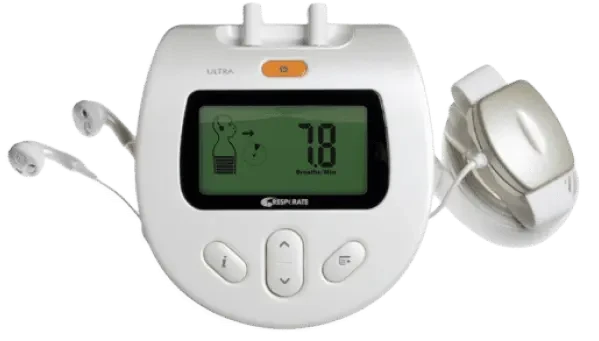
 Clinically proven







Comments