
 Brian Fairchild
Hibiscus tea has one of the strongest clinical evidence bases of any herbal intervention for blood pressure. A 2025 umbrella review pooled 26 randomized controlled trials covering 1,797 participants and confirmed that hibiscus sabdariffa dose-dependently reduces both systolic and diastolic blood pressure compared to placebo and other teas. That scale of evidence is unusual for an herbal remedy and makes this topic worth understanding clearly. The mechanism behind the effect is also specific and well-documented, which separates hibiscus from most supplements in this category.
For a broader overview of whole foods that support healthy blood pressure, see our roundup of natural foods to lower blood pressure.
It was 150/100, this morning it was 110/79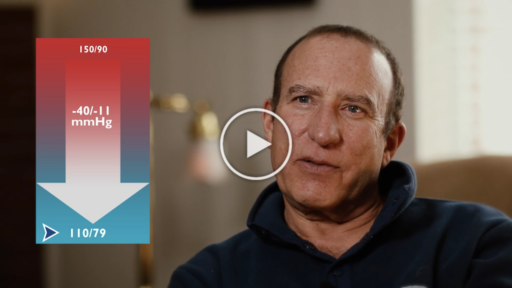
Watch How Mark Lowered His Blood Pressure Naturally.
What Is Hibiscus?
Hibiscus sabdariffa (also called roselle or sour tea) is a flowering plant in the mallow family, native to Angola and now cultivated across tropical and subtropical regions including Sudan, Egypt, Thailand, Mexico, and China. The part used for tea is the calyx, the fleshy red structure surrounding the flower’s seed pod after the petals fall. Dried hibiscus calyxes produce a tart, deep-crimson tea with a flavor profile similar to cranberry.
Traditional use of hibiscus for cardiovascular health spans multiple cultures. Sour tea forms part of traditional medicine practice in Iran. The Caribbean and West Africa know it as sorrel. Mexico uses it as the base for agua de jamaica. The clinical research has since provided a specific pharmacological rationale for that long-standing traditional use.
How Hibiscus Lowers Blood Pressure
ACE inhibition
Anthocyanins and other phenolic compounds in hibiscus inhibit angiotensin-converting enzyme (ACE), the same enzyme that ACE inhibitor medications target. Blocking ACE reduces the production of angiotensin II, a hormone that constricts blood vessels and raises blood pressure. This is a well-established pharmacological pathway. Hibiscus appears to engage it through its polyphenol content rather than through a synthetic pharmaceutical compound.
Antioxidant endothelial protection
The anthocyanins that give hibiscus its deep red color also function as potent antioxidants that reduce oxidative stress in blood vessel walls. Oxidative stress damages the endothelium (the inner lining of blood vessels) and reduces nitric oxide availability. Nitric oxide signals blood vessels to relax and widen. Protecting endothelial function through antioxidant action helps preserve that vasodilatory capacity.
Mild diuretic effect
Hibiscus also produces a mild diuretic effect, reducing blood pressure by decreasing blood volume. This adds a third complementary mechanism alongside ACE inhibition and antioxidant action.
What the Clinical Evidence Shows
The most comprehensive review of this topic is a 2025 umbrella review and updated dose-response meta-analysis covering 26 randomized controlled trials and 1,797 participants. The analysis confirmed that hibiscus dose-dependently reduces systolic and diastolic blood pressure compared to placebo and other teas.
A 2022 meta-analysis in Nutrition Reviews found that hibiscus reduced systolic blood pressure by 7.10 mmHg compared to placebo. Furthermore, the reduction was greatest in people with elevated blood pressure at baseline. That is the most clinically relevant finding for people managing hypertension. The same analysis found that hibiscus also significantly lowered LDL cholesterol compared with other teas and placebo.
A controlled study of 75 participants with hypertension, none taking blood pressure medication, found that one cup of hibiscus tea before breakfast each day for four weeks reduced systolic blood pressure by 11% and diastolic blood pressure by 12.5%. That same review found that hibiscus produced blood pressure reductions comparable to ACE inhibitor class medications in some comparisons, though researchers note more study is needed to confirm that comparison.
Tufts University research found that regular hibiscus consumption can reduce blood pressure by up to 10 points, with the effect appearing within two weeks of consistent daily use.
It was 170/110, this morning it was 120/80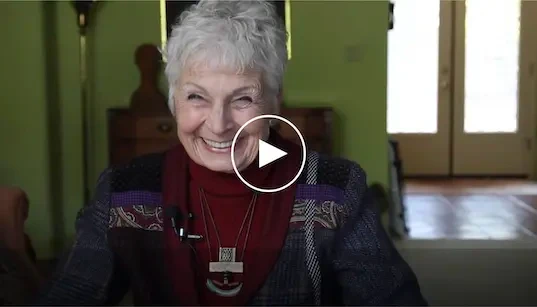
Watch how Julie Lowered her Blood Pressure Naturally.


How Much to Drink
This is the practical question most hibiscus articles leave unanswered. Clinical research consistently uses approximately one gram of dried hibiscus calyx per serving, brewed as a tea. One gram of dried hibiscus calyx is roughly equivalent to one heaped teaspoon of loose leaf hibiscus tea, or one standard tea bag. Three cups per day at this strength represents the dose used in most studies showing significant blood pressure effects.
For loose leaf preparation, use one heaped teaspoon per cup. Steep in hot water for five to ten minutes and strain before drinking. Hibiscus keeps more of its anthocyanin content when brewed at slightly below boiling temperature rather than at a rolling boil.
Supplements are another option and should be taken according to their anthocyanin content. Research points to 10 mg of hibiscus anthocyanins per day as an effective target dose.
One critical practical note: the blood pressure effect depends on consistent daily consumption. In clinical studies, when participants stopped drinking hibiscus tea for as few as three days, their blood pressure began to rise again. This is an ongoing lifestyle intervention rather than a course of treatment with a defined end point.
Cautions and Interactions
Hibiscus is generally well tolerated. However, several specific cautions apply to people managing blood pressure.
Diuretics
Hibiscus interacts with hydrochlorothiazide, a commonly prescribed diuretic for blood pressure. Taking both together may amplify the diuretic effect beyond the intended level. Anyone taking diuretics should discuss hibiscus with their physician before starting.
ACE inhibitor medications
Because hibiscus has ACE-inhibitory properties, combining it with ACE inhibitor medications may produce an additive blood pressure-lowering effect. Monitoring blood pressure closely is advisable when starting hibiscus alongside any antihypertensive medication.
Blood sugar medications
Some research suggests hibiscus may lower blood glucose levels. People managing diabetes or taking blood sugar medications should be aware of this potential additive effect.
Pregnancy
Pregnant women should avoid therapeutic doses of hibiscus, as some research suggests it may stimulate uterine contractions at higher intakes. Normal culinary quantities in food are generally considered safe.
Where RESPeRATE Fits
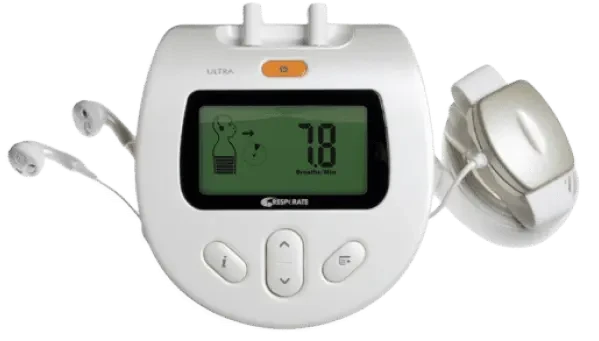
Hibiscus addresses the vascular and endothelial side of blood pressure through ACE inhibition and antioxidant protection. RESPeRATE addresses the neural side, calming the sympathetic nervous system overactivation that keeps blood pressure elevated independent of vascular function. The two work through different and complementary pathways. RESPeRATE is the only FDA-cleared non-drug device clinically proven to lower blood pressure. Use it as part of your overall health program alongside your physician-directed treatment plan. Review the full evidence at our clinical proof page. For another herbal option with strong clinical grounding, see our post on cardamom and blood pressure.
Summary
Hibiscus tea has a genuinely strong clinical evidence base for blood pressure reduction, built on 26 randomized controlled trials and nearly 1,800 participants. It works through ACE inhibition, antioxidant endothelial protection, and a mild diuretic effect. Three cups per day (using one heaped teaspoon or one tea bag per cup) consumed consistently is the dose that clinical studies support. The effect appears within two weeks but requires continuous use to maintain. For anyone looking for an evidence-based herbal addition to a blood pressure management routine, hibiscus is one of the most credible options available.

 Clinically proven

 Eli
Eli 





Comments
5 Replies to “Hibiscus Tea and Blood Pressure: What the Clinical Evidence Actually Shows”
What is the amount of loose hibiscus tea needed daily to lower BP? Amount of tea, not number of cups is needed. Most important info. missing from article.
Hi maybe this will help. I usually use a tea bag so I am not sure about how many grams of loose tea. But I am sure you can Google it.
https://youtu.be/i7S-rLpY5VI
Eli
Hope this works. thank you so much
Would the tea have the same benefits if it is drunk cold? Does time of day matter? An theee servings be consumed at one time?
Cold vs hot: The active compounds are water-soluble and stable in both. Cold-brewed hibiscus is equally effective and actually preserves more anthocyanins than very high temperature brewing.
Time of day: The studies do not specify a required time. Consistency matters more than timing.
Three cups at once: Not recommended. Anthocyanins metabolize quickly, so spacing three cups across the day maintains more consistent levels than a single large dose. Consuming all three at once would also deliver a larger diuretic load, which is worth avoiding if you take blood pressure medication.