
 Brian Fairchild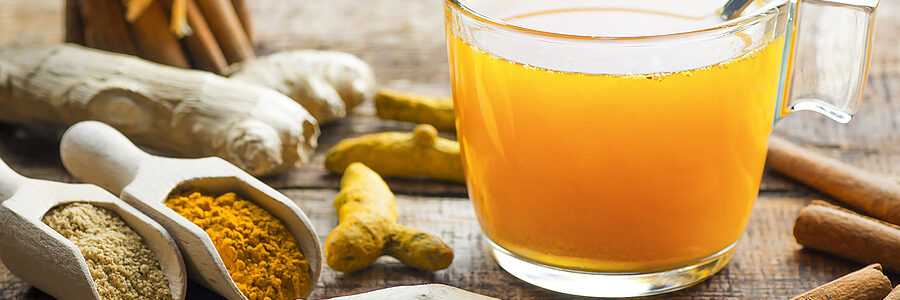
Turmeric has been used in Indian kitchens and traditional medicine for over 4,000 years. Yet it isn’t nostalgia driving its modern popularity. It’s science. Researchers have published thousands of peer-reviewed studies on turmeric’s active compound, curcumin. The findings are hard to ignore. In fact, few natural substances come close to curcumin’s range of clinically studied effects on the human body.
So what actually happens when you take just one teaspoon a day? Here are seven benefits — all grounded in research.
What Makes Turmeric Work?
Before diving in, it helps to understand one key fact. Turmeric doesn’t work as a whole. Its power comes from a single active compound called curcumin. Curcumin gives turmeric its deep golden color. More importantly, it’s responsible for almost every health benefit discussed in this article.
There’s one catch. Curcumin is poorly absorbed on its own. Fortunately, the fix is simple. Add a small pinch of black pepper to your turmeric. Black pepper contains piperine — a compound that increases curcumin absorption by up to 2,000%, according to research published in Planta Medica. That single step makes a significant difference to how much benefit you actually receive.
1. It Fights Chronic Inflammation at the Source
Chronic inflammation sits at the root of most serious modern diseases. Heart disease, diabetes, Alzheimer’s, arthritis — all of them involve ongoing, low-grade inflammation in the body’s tissues and blood vessels.
Curcumin attacks inflammation directly. Research consistently highlights curcumin’s significant anti-inflammatory and antioxidant properties. What’s more, several studies suggest curcumin’s anti-inflammatory effect is comparable to some pharmaceutical drugs — but without the associated side effects. nih
As a result, a daily dose of turmeric may help reduce the underlying inflammatory load that drives many of the conditions this audience is already managing.
2. It Supports Healthy Blood Pressure
This benefit is particularly relevant for anyone managing hypertension.
A 2025 meta-analysis of randomized controlled trials found that curcumin or turmeric supplementation produced a meaningful reduction in systolic blood pressure. The effect was more pronounced in participants who already had hypertension at baseline. nih
Furthermore, a separate systematic review published in Clinical Nutrition ESPEN confirmed that curcumin supplementation shows beneficial impacts on both blood pressure and endothelial function — the health of the inner lining of blood vessels that controls how easily blood flows. Medical News Today
In other words, turmeric doesn’t just mask high blood pressure. It works on the vascular mechanisms behind it.
3. It Protects the Brain
Your brain relies on a protein called Brain-Derived Neurotrophic Factor — or BDNF — to grow new connections and protect existing ones. Low BDNF levels are strongly linked to Alzheimer’s disease, depression, and age-related cognitive decline.
Research shows that curcumin upregulates BDNF — the neurotrophic factor critical for neuronal development and survival — while also inhibiting amyloid-beta aggregation, one of the hallmark processes in Alzheimer’s disease. PubMed Central
A 2025 narrative review covering 25 years of research confirmed that curcumin-induced elevation of BDNF represents a key mechanism underlying its neuroprotective effects — supporting its potential as a preventive strategy in Alzheimer’s disease, Parkinson’s disease, and other brain disorders. PubMed
Simply put, a daily dose of turmeric may help keep the brain sharper for longer.

Watch how Julie Lowered her Blood Pressure Naturally.
It was 170/110, this morning it was 120/80
Learn More

4. It Reduces LDL Cholesterol and Supports Heart Health
High LDL cholesterol contributes directly to arterial plaque buildup. That plaque narrows arteries, restricts blood flow, and raises blood pressure. It also increases the risk of heart attack and stroke.
Curcumin reduces LDL cholesterol and prevents blood clotting. At the same time, its anti-inflammatory action protects the arterial walls where that plaque tends to form. Together, these effects make turmeric a genuinely heart-supportive daily habit — not just a trendy supplement.
Combined with consistent use of tools like RESPeRATE, the cumulative effect on cardiovascular health can be meaningful.
5. It Shows Promise Against Certain Cancers
This is an area where the science is promising — but honest context matters.
Curcumin shows anticancer properties across several cancer types. The mechanisms include inhibiting cell proliferation, suppressing invasion and migration, promoting cancer cell death, and reducing inflammation. PubMed
However, it’s important to be accurate about where the evidence stands. While curcumin has produced some positive results in clinical trials — particularly as an add-on to conventional therapy — current clinical evidence is not yet strong enough to support its use as a standalone cancer treatment. nih
In other words, turmeric is a promising complementary tool. It is not a cure. Ongoing research will clarify its role further.
6. It Eases Arthritis and Joint Pain
Arthritis is driven by chronic inflammation in the joints. That makes curcumin — one of the most potent natural anti-inflammatory compounds studied — a logical candidate for symptom relief.
Clinical studies confirm that curcumin carries no significant side effects or toxicity, making it a safe option for long-term daily use. Many people managing joint pain report meaningful improvement with consistent turmeric supplementation. Furthermore, some studies suggest curcumin outperforms over-the-counter anti-inflammatory medications for pain reduction — without any side effects. nih
7. It Supports Longevity Through Antioxidant Action
Free radicals damage healthy cells throughout the body. Over time, that damage accelerates aging and contributes to organ dysfunction. Curcumin neutralizes free radicals directly. Beyond that, it also activates the body’s own antioxidant enzymes — effectively doubling its protective effect.
The result is a compound that helps protect body organs from damage, supports blood vessel health, reduces cholesterol, controls inflammation, and combats cellular aging — all from one daily teaspoon.
How to Take It
Turmeric is flexible. Add it to warm water, smoothies, soups, curries, or golden milk. Always include a small pinch of black pepper to maximize absorption. If you prefer a supplement, follow the dosage guidance on the label. Most supplements provide a standardized curcumin dose that is more concentrated than culinary turmeric.
Culinary turmeric — the kind in your spice cabinet — absolutely works. Dissolve one teaspoon in warm water with a pinch of black pepper and drink it daily.
A Word of Caution
Turmeric is safe for most people. However, it is not suitable for everyone.
If you take blood thinners, consult your physician before using turmeric. Curcumin reduces clotting time. That interaction can be serious for people on anticoagulant medications. Similarly, people with gallbladder disease should avoid daily turmeric. Its stimulating effect on the gallbladder can worsen that condition with regular use.
When in doubt, ask your doctor first.
Summary
Turmeric earns its reputation. Clinical research confirms curcumin’s beneficial impact on blood pressure and endothelial function — two of the most important factors in cardiovascular health. Beyond the heart, it protects the brain by boosting BDNF, reduces LDL cholesterol, fights chronic inflammation, supports joint health, and provides powerful antioxidant protection at the cellular level. One teaspoon a day is a small habit. Over time, the evidence suggests its effects are anything but small. Add black pepper. Stay consistent. Let the science work. Medical News Today
Managing blood pressure naturally takes more than one tool. Discover how RESPeRATE combines with a heart-healthy lifestyle to help you reach your goals.


 Clinically proven





Comments
8 Replies to “One Teaspoon of Turmeric a Day: What the Science Says It Does to Your Body”
Great, I like suggestions
Hello,
I am trying to find if a 1/2 teaspoon of turmeric powder on a daily basis is Good? Is seven times a week good or three times a week is good? I do not want to take too much of this powder, not knowing the side effects. I would like to say thank you in this matter.
Martin G.
Hi Martin, I would advise that you follow the directions that are provided on the label. If you are
taking anti-coagulants I would avoid turmeric. It will cause excessive bleeding. Kindest Regards, Eli, Content Manager.
I have been doing much research on turmeric. If your talking about pure turmeric don’t take it every day. Everyday is to much. Tumeric in capsules is 4xday, however that is not
pure turmeric. Many say to take turmeric 2x daily, adding some black pepper to lighten the tast. I am not a Dr per say.
Will be 80 on my next birthday, have taken Turmeric for decades, along with 90,000-,160,000 heat units Cayenne pepper….Have never had a sickness, take no prescription drugs……….And get this, have never been to a doctor for a sickness….I eat healthy…..
Hi David! Congratulations on your great health! Tell us more please! Do you take the turmeric by the teaspoon? With meals? Do you also add black pepper? So you take any other supplements? What type of diet do you prefer:Westin Price, Paleo, Blue zones do you eat only truly pastures animal meat or does that matter to you? Are you a vegetarian?
I know, too many question; but I want to do what you are doing!!
I hope you see this and respond
Thanks so much and again, congratulations on your good health!
Eli, can I take a teaspoon of turmeric spice that I use for cooking? How much black pepper should I add? Do you just dilute it in water?
Hi Rita, Yes you can. Just a tiny bit of black pepper. Dilute in warm water. Drink. Kindest Regards, Eli Content Manager RESPeRATE.