
 Eli Ben-Yehuda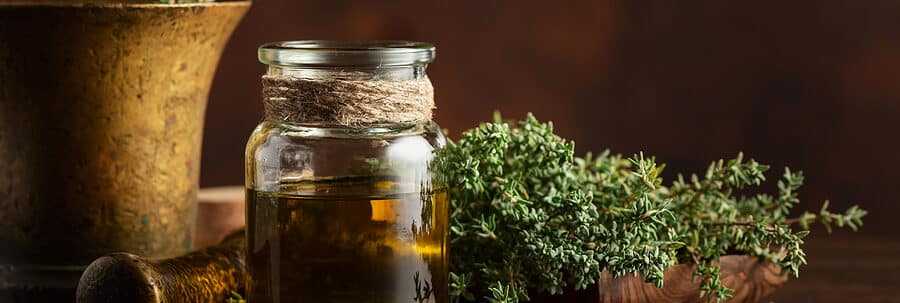
Thyme may be a small herb, but it brings big flavor—and potentially big benefits—to the table. Often used to enhance savory dishes, this fragrant herb has been a staple in kitchens for centuries. Beyond its culinary appeal, thyme has a long history of traditional use tied to overall wellness.
In recent years, thyme has gained attention for its potential role in supporting healthy blood pressure. Naturally rich in beneficial plant compounds, thyme may help promote relaxation of blood vessels and support cardiovascular function. While it’s not a cure or replacement for medical care, incorporating thyme into everyday meals can be a smart, flavorful choice.
What makes thyme especially appealing is how easy it is to use. Fresh or dried, it blends seamlessly into soups, roasted vegetables, marinades, and proteins—making it simple to add to a heart-conscious lifestyle without changing the way you cook or eat.
Why Thyme?
Thyme has been used for centuries as a traditional medicinal herb, and its potential to lower blood pressure is becoming increasingly accepted in modern medicine. The key to unlocking the power of thyme lies in understanding how to use it effectively.
The most common way of taking thyme is as a supplement. The recommended dosage for taking thyme as a supplement is 500 mg twice per day, with meals. It is important to note that there are two main varieties of thyme; dried and fresh.
Dried thyme contains higher concentrations of minerals such as potassium, magnesium, and calcium. This is greater than fresh thyme, making it more effective at lowering blood pressure. However, both varieties are beneficial when taken as supplements and can be easily incorporated into meals or teas.
In addition to taking it as a supplement, another way of using thyme to reduce blood pressure is through aromatherapy.Or a tea infusion. To create an infused tea with thyme, simply add 2-3 teaspoons of fresh or dried thyme leaves into boiling water. Let steep for 5-10 minutes before drinking.
For aromatherapy:
You can add several drops of essential oil such as lavender oil mixed with a few drops of diluted essential oil from the plant itself. Placing some on your pillow before sleeping for has a calming effect. This may eve help reduce blood pressure levels while you sleep.
Finally, it is also possible to incorporate this medicinal herb into your daily diet and lifestyle by adding it into recipes. Trying adding to marinades or stews or using it as a seasoning for vegetables like carrots or potatoes. Thyme can also be added into smoothies or juices if desired for a nice flavor kick!
It’s important to remember that any form in which you choose to take this herb should be done so responsibly. Be careful that you don’t accidentally consume too much in one sitting. Always consult with your doctor first before consuming large amounts of any herbal remedy!

Watch How Mark Lowered His Blood Pressure Naturally.
It was 150/100, this morning it was 110/79

Thyme recipes for lowering blood pressure
Thyme is an incredibly versatile herb that can be easily incorporated into a variety of recipes. Whether you’re looking for something savory or sweet, adding thyme to your dishes is sure to give them a delicious boost. This section will provide readers with recipes that incorporate thyme in order to lower blood pressure.
One simple way to get the benefits of thyme is to make a tea infusion. Just add one teaspoon of dried thyme leaves or two teaspoons of fresh thyme leaves to one cup of boiling water and let it steep for 10 minutes before straining the liquid. This tea has both anti-inflammatory and cardiovascular benefits, making it great for reducing hypertension. It can also be enjoyed cold in the summer months!
Thyme works wonderfully as a seasoning when added to vegetables, soups, stews, and marinades.
To make a flavorful marinade for fish or chicken:
- Combine 2 tablespoons of olive oil with 1 tablespoon each of fresh lemon juice and minced garlic
- 1 teaspoon each of dried oregano and thyme
- ½ teaspoon each of dried basil and parsley
- ¼ teaspoon each of ground cumin and black pepper
- ¼ cup grated parmesan cheese.
Once mixed well together pour over your protein source and let sit for 30 minutes before cooking.
Thyme also adds flavor to creamy sauces like Alfredo sauce.
- Start by heating 3 cups of heavy cream in a saucepan over medium heat until just beginning to bubble around the edges (do not boil).
- Add 1 tablespoon each minced garlic and fresh thyme leaves with ¼ teaspoon ground white pepper then reduce the heat slightly simmering until thickened (about 10-15 minutes).
- Finally stir in ½ cup grated Parmesan cheese until melted through then season with salt to taste before serving over pasta or vegetables.
Finally, adding some crushed fresh thyme leaves on top of salads makes for an excellent garnish as well as providing health benefits from its volatile oils which can help relax arteries while being tasty at the same time!
These are just some examples but there are so many wonderful ways that you can incorporate this herb into your diet in order to get its blood pressure lowering benefits without sacrificing flavor! Be creative with it – experiment with different combinations until you find something that works best for you!

Watch how Julie Lowered her Blood Pressure Naturally.
It was 170/110, this morning it was 120/80
Learn More

Common questions about using thyme to lower blood pressure.
This section of the article explores some of the common questions people may have when considering using thyme to lower their blood pressure.
What are the side effects and risks associated with taking thyme? Is it safe to use long-term? Are there any other herbs that can be used in conjunction with or instead of thyme? What is the recommended dosage, and what interactions should be considered when taking it with other medications?
The use of thyme for medicinal purposes has been around for centuries, but there are still a lot of unknowns about its safety and efficacy. Some potential side effects include headaches, dizziness, nausea, and stomach upset. If you experience any severe symptoms or allergies after consuming thyme, it’s important to seek medical help immediately.
Additionally, because not enough research has been done on long-term use of thyme for medicinal purposes, it’s important to talk to your doctor before starting a regular regimen.
Thyme is not the only herb that can be beneficial for lowering blood pressure.
Other herbs such as, garlic, hibiscus flower tea, and yarrow may also help reduce hypertension. It’s important to consult with your doctor before combining multiple herbs together as some may interact negatively with each other or medications you are already taking.
When using an herbal remedy like thyme to lower blood pressure naturally, following instructions on dosing is critical for safety and effectiveness. Generally speaking 1-2 teaspoons per day is a safe amount to take over several weeks or months if needed.
If you plan on adding more than one herb into your regimen then it’s best to start at the lower end of that range in order to assess how well each herb works individually before increasing dosages for greater synergy between them all.
It’s also important that you speak with your doctor about any medications you are currently taking; some medications may interact negatively when taken in combination with certain herbs like thyme so it’s best get professional advice before starting an herbal supplement regime.
In conclusion
Supporting healthy blood pressure doesn’t always require dramatic changes. Sometimes, it starts with small, consistent choices—like seasoning your meals with herbs that offer both flavor and potential wellness benefits. Thyme fits naturally into that approach.
When paired with a balanced diet, regular movement, stress management, and proper medical guidance, herbs like thyme can play a supporting role in heart health. Its versatility makes it an easy addition to daily routines, whether you’re cooking at home or experimenting with new recipes.
By rethinking how you use everyday ingredients, thyme can become more than just a seasoning—it can be part of a thoughtful, heart-smart lifestyle that supports your blood pressure goals over time.


 Clinically proven





Comments