
 Eli Ben-Yehuda
The holidays are supposed to be a time of joy, connection, and celebration—but for many, they bring stress, sleepless nights, and exhaustion. Between shopping, social events, travel, and family obligations, it’s easy to let rest fall to the bottom of your to-do list. However, lack of quality sleep can worsen anxiety, lower immunity, and make it harder to truly enjoy the season. Learning how to beat holiday stress and get better sleep can help you stay calm, energized, and emotionally balanced throughout the festivities.
One of the biggest culprits behind holiday sleep loss is overstimulation—too many commitments, late-night gatherings, and even increased caffeine or sugar intake. Mindful planning and self-care can make a huge difference. Setting boundaries, practicing relaxation techniques, and keeping a consistent bedtime routine can help your body wind down naturally, no matter how busy the days get. A little preparation goes a long way toward ensuring that the holidays feel joyful rather than draining.
By taking small steps to manage stress, you’ll not only sleep better—you’ll feel better. Quality rest supports your mood, strengthens your immune system, and allows you to be more present with loved ones. After all, the holidays should be about connection and gratitude, not exhaustion.
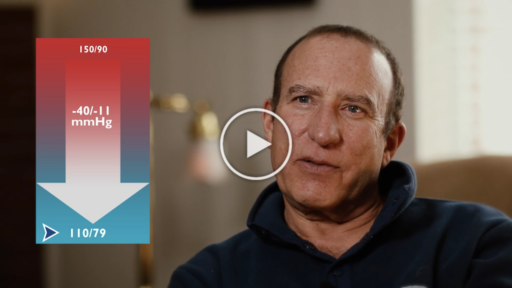
Watch How Mark Lowered His Blood Pressure Naturally.
It was 150/100, this morning it was 110/79
How To Improve Your Sleep During The Holiday Season
During the rush of the holiday season, you want to focus on healthy habits which honestly can be easier said than done. Yet sleep is absolutely essential for the healing and repairing of our body. Ongoing sleep deprivation has been linked to an increased risk of heart disease, high blood pressure, diabetes, and stroke.
To keep your holiday healthy and refreshed, here are a few simple tips to improve your sleep during the holiday season and beyond…
- Go to sleep when you feel tired.
- Ease yourself into a new time zone to prevent jet lag.
- Reduce alcohol consumption.
- Reduce caffeine consumption.
- Exercise daily and do it outside if you can.
- Schedule 15 minutes of worry time an hour before bed to put your demons to rest.
- Don’t overeat late at night.
How To Deal With The Stress & Depression During The Holidays
For some people during the holidays can bring on depression with the stress. People who have lost loved ones during the holiday season may make it difficult to sleep well. So here are a few additional tips to remember.
Acknowledge your feelings. If someone close to you has recently died or you can’t be with loved ones, realize that it’s normal to feel sadness and grief. It’s OK to take time to cry or express your feelings. You can’t force yourself to be happy just because it’s the holiday season.
Reach out. If you feel lonely or isolated, seek out a community, religious or other social events. They can offer support and companionship. Volunteering your time to help others also is a good way to lift your spirits and broaden your friendships.
Be realistic. The holidays don’t have to be perfect or just like last year. As families change and grow, traditions and rituals often change as well. Choose a few to hold on to, and be open to creating new ones. For example, if your adult children can’t come to your house, find new ways to celebrate together, such as sharing pictures, emails or videos.
Set aside differences. Try to accept family members and friends as they are, even if they don’t live up to all of your expectations. Set aside grievances until a more appropriate time for discussion. And be understanding if others get upset or distressed when something goes awry. Chances are they’re feeling the effects of holiday stress and depression, too.
Stick to a budget. Before you go gift and food shopping, decide how much money you can afford to spend. Then stick to your budget. Don’t try to buy happiness with an avalanche of gifts.
Try these alternatives:
Donate to a charity in someone’s name.
Give homemade gifts.
Start a family gift exchange.
Plan ahead. Set aside specific days for shopping, baking, visiting friends and other activities.
Plan your menus and then make your shopping list. That’ll help prevent last-minute scrambling to buy forgotten ingredients. And make sure to line up help for party prep and cleanup.
Learn to say no. Saying yes when you should say no can leave you feeling resentful and overwhelmed.
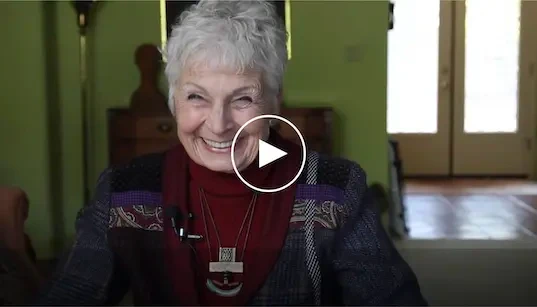
Watch how Julie Lowered her Blood Pressure Naturally.
It was 170/110, this morning it was 120/80
Learn More

Friends and colleagues will understand if you can’t participate in every project or activity.
If it’s not possible to say no when your boss asks you to work overtime, try to remove something else from your agenda to make up for the lost time.
Don’t abandon healthy habits. Don’t let the holidays become a free-for-all. Overindulgence only adds to your stress and guilt.
Try these suggestions:
Have a healthy snack before holiday parties so that you don’t go overboard on sweets, cheese or drinks.
Get plenty of sleep.
Incorporate regular physical activity into each day.
Take a breather. Make some time for yourself. Spending just 15 minutes alone, without distractions, may refresh you enough to handle everything you need to do. Find something that reduces stress by clearing your mind, slowing your breathing and restoring inner calm.
This holiday season, make your well-being a top priority. Incorporate stress-reducing habits like deep breathing, journaling, or short evening walks, and give yourself permission to say “no” when your schedule feels overwhelming. Remember, getting enough sleep is not a luxury—it’s essential for maintaining your energy, mood, and health.
With a little mindfulness and structure, you can navigate the busiest time of year feeling rested, centered, and joyful. Beating holiday stress and improving sleep isn’t about perfection—it’s about creating balance. When you nurture your body and mind, you’ll find that the season becomes far more peaceful, meaningful, and memorable.


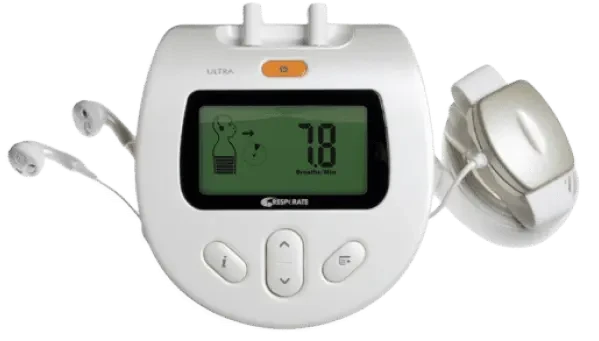
 Clinically proven





Comments