
 Eli Ben-Yehuda
Nattokinase may not be a household name, but this powerful enzyme has been gaining attention for its impressive heart and health benefits. Derived from natto—a traditional Japanese food made from fermented soybeans—nattokinase has been used for centuries as part of a heart-supportive diet. Today, modern research is shining a light on how this natural compound can support cardiovascular wellness in ways that go far beyond traditional nutrition.
What makes nattokinase so remarkable is its ability to promote healthy circulation and support optimal blood flow. It works by helping the body naturally break down excess fibrin, a protein involved in blood clot formation. When fibrin levels are too high, it can thicken the blood and put added strain on the heart. By supporting healthy fibrin levels, nattokinase helps maintain smoother circulation, reducing stress on the cardiovascular system and supporting overall heart function.
But the benefits of nattokinase don’t stop at heart health. Studies suggest it may also support healthy blood pressure, enhance circulation in the extremities, and even promote better overall wellness thanks to its anti-inflammatory and antioxidant properties. Whether you’re looking to improve heart health naturally or simply support a healthier lifestyle, nattokinase offers a potent, science-backed way to strengthen your cardiovascular foundation.
What Is Nattokinase?
Cardiovascular disease (CVD) is the leading cause of death in the world and our approach to the control and management of CVD mortality is limited. Nattokinase (NK), the most active ingredient of natto, possesses a variety of favorable cardiovascular effects and the consumption of Natto has been linked to a reduction in death from heart problems.
Nattokinase is an enzyme (a protein that speeds up biochemical reactions) that is extracted from a popular Japanese food called natto. Natto is boiled soybeans that have been fermented with a bacterium called Bacillus natto.
Natto has been used as a folk remedy for diseases of the heart and circulatory system (cardiovascular disease) for hundreds of years. Nattokinase, the chemical in natto that is probably responsible for its effects, was discovered by a University of Chicago researcher, Dr. Hiroyuki Sumi.
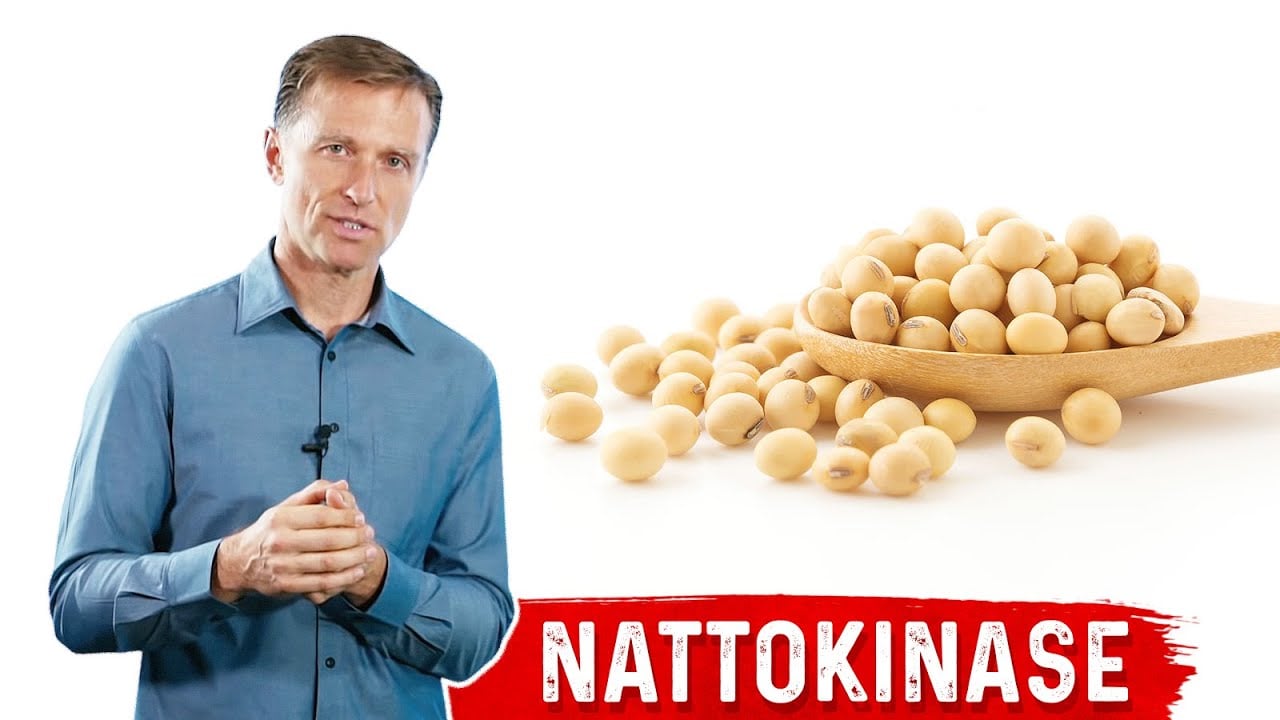
You won’t find nattokinase in soy foods other than natto, since nattokinase is produced through the specific fermentation process used to make natto.
Nattokinase is used for cardiovascular diseases including heart disease, high blood pressure, stroke, chest pain (angina), deep vein thrombosis (DVT), “hardening of the arteries” (atherosclerosis), hemorrhoids, varicose veins, poor circulation, and peripheral artery disease (PAD).
It is also used for pain, fibromyalgia, chronic fatigue syndrome, endometriosis, uterine fibroids, muscle spasms, infertility, cancer, and a vitamin-deficiency disease called beriberi.
Pass Me The Natto
Natto, a traditional food in Japan for thousands of years, is made by cooking fermented soybeans. It has a flavor that has been described as akin to fermented cheese. While some love the taste and the sticky-stringy texture, it’s often served with condiments such as sliced green onions, wasabi or pickled ginger. Cooking, too, helps make it approachable.
Dr Kevin Wang, associate professor of molecular biology at Northeastern State University, US, is one of the leading researchers exploring nattokinase, an enzyme extracted from natto. “Nattokinase has the ability to get into the bloodstream and can directly destroy blood clots, thin the blood and improve blood flow,” he says. “It cleans out the blood vessels, reducing the risk of hypertension and stroke and can also reduce the risk of heart attack.”
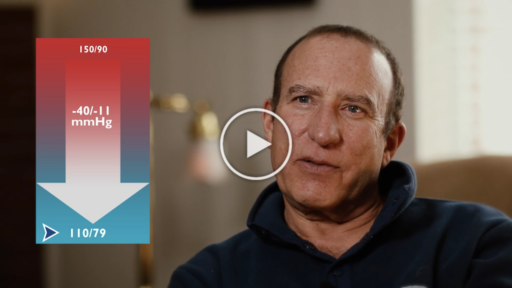
Watch How Mark Lowered His Blood Pressure Naturally.
It was 150/100, this morning it was 110/79
Other Health Benefits
The consumption of natto is linked to longevity, improved gut health, cholesterol reduction, anti-cancer, stronger bones and healthier brains. Natto contains unique compounds such as nattokinase and vitamin K2. Most of the potent health effects are coming from the fermentation process by Bacillus subtilis var natto (also called Bacillus natto). This fermentation process also improves the digestibility of soy and increases nutrient absorption.
Great Source of Probiotics
Natto contains billions of living Bacillus natto bacteria that play a role in improving gut health. Bacillus natto bacteria help to fight against pathogens such as E. coli and salmonella. Before the introduction of antibiotics cultures of Bacillus subtilis were used to treat dysentery and other intestinal problems.
Increases Life Span
Japanese consume about billions of packets of natto each year and enjoy long lives, about 5 years longer than Americans.
Creates Stronger Bones
Vitamin K2 is not found in plants but is only produced by certain bacteria, such as Bacillus natto. This vitamin helps to deposit the calcium in our bones. Vitamin K acts on osteoblasts, bone cells that deposit calcium in our bones. One study found that women who ate more than 160 grams of natto per week showed reduced bone mass loss.
Vitamin K2 has also been found to prevent bone fractures and maintain bone mineral density in people who already have osteoporosis. Olyglutamin acid, another typical compound found in natto, also helps with the absorption of calcium. Japanese researchers showed a link between the consumption of natto and lower rates of cervical bone breakage.
A statistically significant inverse correlation was found between the incidence of hip fractures in women and natto consumption in each prefecture throughout Japan. The high level of vitamin K2 intake resulting from natto consumption may contribute to the relatively lower fracture risk in Japanese women. Another study confirmed that intake of natto is associated with a beneficial effect on bone health in elderly men, and this association is primarily due to vitamin K content of natto.

Watch how Julie Lowered her Blood Pressure Naturally.
It was 170/110, this morning it was 120/80
Learn More

Increases Heart health
Natto improves blood circulation by breaking up clots and preventing them from forming. The unique enzymes that play an important role are nattokinase and pyrazine. Nattokinase is concentrated in the typical natto strings and acts as a clot busting enzyme.
Studies suggest that it helps to remove calcium from the arteries. Eating natto can benefit people with high cholesterol or triglyceride levels . Eating 30 g of natto daily during one month reduced cholesterol by 8% in patients with high cholesterol and reduced triglycerides by almost 13% in those with high triglycerides.
Are There Side effects?
In food, nattokinase is safe. More studies are needed to see if nattokinase taken as a supplement is safe for repeated or long-term use.
What Are The Risks?
If you have any blood clotting disorders, don’t take nattokinase supplements unless a doctor says it’s safe. You may need to stop taking nattokinase if you’re planning to have surgery.
Given the lack of evidence about its safety, doctors don’t recommend nattokinase for children or for women who are pregnant or breastfeeding.
Medication Interactions.
If you take any medications regularly, talk to your doctor before you start using nattokinase supplements. The supplements could interact with blood thinners and other drugs that reduce clotting, like aspirin and ibuprofen. They could cause excess bleeding and bruising.
Natto Recipe
Ingredients
- 1 package Natto
- 1 Tbsp green onions, chopped
- 1 Tbsp Katsuobushi dried bonito flakes
- Japanese yellow mustard
- 1 tsp soy sauce
- 3 Shiso leaves, thinly sliced, if you have them
- Steamed Rice
Instructions
Mix all the ingredients except Shiso and Steamed Rice. Stir very well until thick. Pour over the rice and top with Shiso.
A Final Thought
Understanding the benefits of nattokinase gives you a powerful tool for supporting heart health naturally. This enzyme’s unique ability to encourage healthy blood flow and reduce cardiovascular strain sets it apart as one of the most promising natural supplements for long-term wellness. By working with your body’s natural processes, nattokinase provides gentle yet effective support for your circulatory system.
Nattokinase’s potential to promote healthy blood pressure and improve overall circulation makes it especially valuable as we age or face increased cardiovascular demands. When combined with heart-smart habits—like a balanced diet, regular physical activity, and stress reduction—this enzyme can play a meaningful role in protecting your long-term heart function. It’s a simple addition that offers wide-reaching benefits.
Ultimately, nattokinase is more than a supplement—it’s a natural ally for better health. As research continues to unfold, its role in supporting cardiovascular wellness becomes even more compelling. If you’re looking for a natural, effective way to enhance your heart health, the powerful benefits of nattokinase make it a standout choice for your wellness routine.
Medications that slow blood clotting (Anticoagulant / Antiplatelet drugs) interacts with NATTOKINASE. Nattokinase might slow blood clotting. Taking nattokinase along with medications that also slow blood clotting might increase the risk of bruising and bleeding.


 Clinically proven


 Brian
Brian 



Comments
17 Replies to “The Powerful Heart and Health Benefits of Nattokinase Explained”
Very interested in the Natto recipe, however, where do you find these unfamiliar ingredients?
If you have an Asian food market near you or a whole foods store I would start there.
What daily dosage of nattokinase do you recommend and is it ok to take omega 3 at the same time?
I would start with 200 mg. And it should be safe with omega 3
I do not have an Asian market or Whole Foods nearby but thought to try amazon for ingredients. I see lots of options to buy Nattokinase supplements. If we are unable to make Natto, would one of these supplements be beneficial? You recommended 200 mg daily, do you have a brand you would trust?
Hi Kristi, I am sure the supplement would be beneficial. But I do not have one I can recommend over the other. Kindest Regards.
I am thrilled to find this information. I read everything published by Resperate (and I use my Resperate regularly). I am wondering if it’s possible to purchase nattokinase (the food, not the supplement) on line — or if it’s possible to make my own. I live in the country where resources are few and far between. Any replies would be gratefully received!
Hi Mary, I have found many sellers on Amazon. I would make sure you get organic non-GMO products.
Kindest Regards, Eli.
If taking elequis can you also consume natto as a food or can u stop elequis
Medications that slow blood clotting (Anticoagulant / Antiplatelet drugs) interacts with NATTOKINASE. Nattokinase might slow blood clotting. Taking nattokinase along with medications that also slow blood clotting might increase the risk of bruising and bleeding. If you are on blood thinners you cannot stop without your doctors consent. Kindest Regards Eli
I am taking Eliquis 5 mg twice a day for AFib. Can I still take Natto
Medications that slow blood clotting (Anticoagulant / Antiplatelet drugs) interacts with NATTOKINASE. Nattokinase might slow blood clotting. Taking nattokinase along with medications that also slow blood clotting might increase the risk of bruising and bleeding. Kindest Regards, Eli
Hi, i understand taking in supplement form with eliquis may not be a good idea, but what if you eat the food form with eliquis, no one seems to answer that question. Eating natto not taking the supplement form. Is that ok with eliquis, as i understand there is a difference between the supplement version vs the actual food form. Please differentiate between the two. Thanks
Hi Yvette, I take eliquis. And so I do not take any supplement or food that will further cause blood thinning. Kindest Regards, Eli, Content Manager, RESPeRATE.
Eli, first off, thank you for all the useful information you continue to provide. Your emails are definitely one of my “must reads.”
Natto supplements can be confusing, as some list amount in mgs, and some in FU’s. Has your research shown a recommended dosage in FU’s?
Hi Hadden, No research that I know of that indicates (Fixture Unit) as this is used in plumbing.
Eli
“FU” in nattokinase refers to Fibrinolytic Units, a measure of the enzyme’s activity or potency. A higher FU number indicates a stronger enzyme, and common supplement dosages range from 2,000 FU to 4,000 FU per serving, with higher doses sometimes used in research for specific cardiovascular support. Nattokinase is used to support cardiovascular and circulatory health by promoting healthy blood flow, but it is important to consult a doctor before use, especially if taking blood thinners.
from WWW search on “FU nattokinase”