
 Brian Fairchild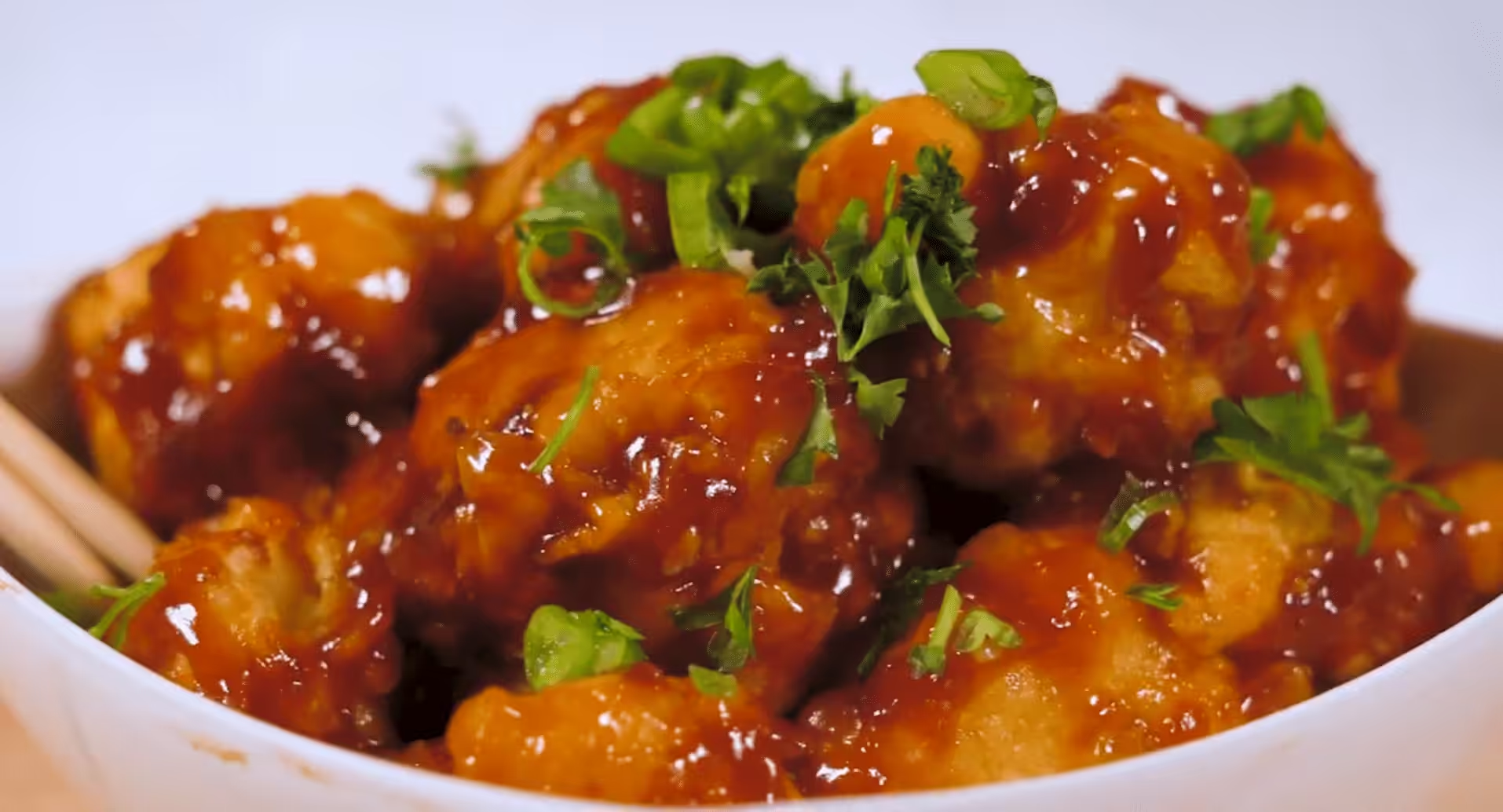
General Tso’s Chicken is one of those dishes that everyone loves and nobody pretends is healthy. It is deep-fried, coated in a sweet and sticky sauce loaded with sodium and added sugar, and served over white rice. Delicious, absolutely. Something to build a blood pressure management diet around, not really.
This version keeps everything you actually want from the dish, the crispy coating, the bold sweet-savory-spicy sauce, the satisfying plate of food, while replacing the ingredients that work against a heart-healthy diet with ones that support it. Cauliflower gets baked instead of fried. The sauce is built from scratch with dramatically less sodium. The result is genuinely good. Not “healthy food that tastes okay” good. Actually good.
And as it turns out, cauliflower is not just a neutral vegetable standing in for chicken. It has a real cardiovascular case of its own.
Why This Recipe Is Good for Your Heart
Cauliflower: a serious cardiovascular vegetable
Cauliflower belongs to the cruciferous vegetable family alongside broccoli, kale, and Brussels sprouts. That family has one of the strongest cardiovascular research records in nutritional science.
The key compound is sulforaphane, produced when cauliflower is chewed or chopped from a precursor called glucosinolate. Sulforaphane activates a cellular defense pathway called Nrf2, which switches on over a hundred protective proteins including antioxidant enzymes. Multiple studies have linked this mechanism to lower cardiovascular inflammation, improved arterial function, and reduced blood pressure.
A review published in PMC confirmed that sulforaphane in cruciferous vegetables activates Nrf2-mediated cardiovascular protection, reducing oxidative stress and inflammation in the arteries. Epidemiological studies have consistently associated regular cruciferous vegetable intake with a decreased risk of cardiovascular disease.
Cauliflower also delivers roughly 142mg of potassium per 100 grams, contributing to the potassium-sodium balance that the DASH eating plan prioritizes for blood pressure management. It adds fiber for cholesterol support and is low in saturated fat and calories.
Garlic: the ACE connection
This recipe uses two to three cloves of garlic, which is a meaningful cardiovascular dose. Garlic contains allicin, a sulfur compound with documented antihypertensive properties. A meta-analysis of 12 randomized trials found that garlic supplementation reduced systolic blood pressure by an average of 8.3 mmHg in hypertensive patients. In a culinary dose across a recipe, the effect is more modest, but garlic used consistently in cooking contributes to a blood pressure-supporting dietary pattern over time.
Ginger: anti-inflammatory and vascular
Fresh ginger contains gingerols and shogaols, compounds with anti-inflammatory activity that have been studied for cardiovascular benefit. Regular ginger consumption has been associated with reduced markers of vascular inflammation in multiple studies. It also adds the aromatic depth that makes this sauce taste like the real thing.
The sauce: what changed and why
This is where the original recipe needed the most attention. The classic General Tso’s sauce approach of combining three-quarter cup of sweet chili sauce with one-third cup of soy sauce creates a sodium load that can approach 1,000 to 1,600mg per serving, potentially consuming more than half a day’s recommended sodium budget in a single bowl.
The revised sauce achieves the same sweet, savory, slightly spicy flavor profile with a fraction of the sodium. Three tablespoons of low-sodium soy sauce or coconut aminos replace the full quantity. A small amount of honey or maple syrup provides natural sweetness without the added-sugar load of sweet chili sauce. Rice vinegar, sesame oil, chili garlic sauce, and cornstarch round out the flavor architecture. Total sodium from the sauce per serving drops to approximately 143mg.
| Version | Sauce ingredients | Total sauce sodium (full batch) | Per serving (4 servings) |
|---|---|---|---|
| Original | 3/4 cup sweet chili sauce + 1/3 cup soy sauce | ~3,600–6,400mg | Per serving ~900–1,600mg |
| Revised (this recipe) | 3 tbsp low-sodium soy sauce + natural flavor builders | ~570mg | Per serving ~143mg |
Sodium estimates based on major brand averages. Actual totals vary by product brand chosen.
For more on how the DASH eating plan approaches sodium and cardiovascular health, our DASH diet post covers the full framework.
It was 150/100, this morning it was 110/79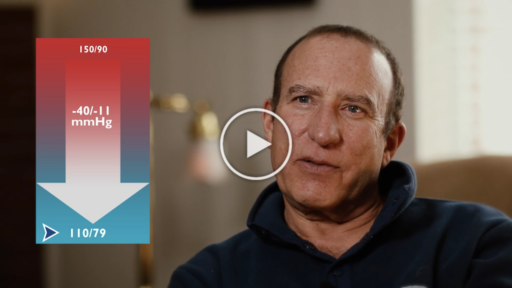
Watch How Mark Lowered His Blood Pressure Naturally.

Ingredients
For the cauliflower
- 1 large head cauliflower, cut into large florets
- 1 cup all-purpose flour
- 1 cup unsweetened plant-based milk or low-fat dairy milk
- 1 cup panko breadcrumbs
- Freshly ground black pepper
- Pinch of kosher salt (optional — omit for strict sodium restriction)
For the low-sodium General Tso sauce
- 1 tablespoon sesame oil or avocado oil
- 2 to 3 cloves garlic, minced
- 1 tablespoon fresh ginger, grated (or 1 teaspoon ground ginger)
- 3 tablespoons low-sodium soy sauce or coconut aminos
- 2 tablespoons rice vinegar
- 1 tablespoon honey or pure maple syrup
- 1 tablespoon tomato paste
- 1 teaspoon chili garlic sauce or sriracha (adjust to taste)
- 1 teaspoon cornstarch mixed with 2 tablespoons cold water
- Juice of half a lime
To serve
- Cooked brown rice or cauliflower rice
- Sesame seeds for garnish
- Green onions, sliced, for garnish
Brown rice versus white rice: brown rice retains the bran layer, delivering additional fiber, magnesium, and a lower glycemic impact. For people managing blood pressure, that fiber and magnesium content provides a modest but meaningful additional benefit. If cauliflower rice is used instead, you add another serving of cruciferous vegetables to the plate.
A Few Tips Before You Start
Dry the cauliflower thoroughly before dredging. Pat the florets dry with paper towels. Any surface moisture will prevent the coating from crisping. This single step makes the difference between genuinely crispy cauliflower and something soft and disappointing.
Do not skip the rack. Placing the coated florets on a wire rack over the baking sheet allows hot air to circulate underneath and crisps all sides evenly. Parchment paper alone will steam the underside and soften the coating.
Make the sauce while the cauliflower bakes. The sauce only takes about seven minutes. Have it ready and warm so you can toss the cauliflower the moment it comes out of the oven. Sauce going onto still-hot cauliflower clings much better than sauce on cooled cauliflower.
Coconut aminos are a lower-sodium, slightly sweeter alternative to soy sauce that works well in this recipe. They are widely available in health food stores and many supermarkets. If you use them, you can reduce the honey by half since coconut aminos are naturally sweeter than soy sauce.
Serve immediately. Like all baked-crumb coatings, this is at its best straight from the oven. It softens once sauced and stored. If you are meal prepping, store the baked cauliflower and the sauce separately and combine just before eating.
Preparation
- Preheat oven to 400°F. Line a baking sheet with a wire rack or parchment paper.
- Set up a dredging station with three shallow bowls: flour in the first, milk in the second, panko in the third. Season the flour with black pepper and a pinch of salt if using.
- Working in batches, coat each cauliflower floret in flour, dip in milk, then press firmly into panko on all sides. Transfer to the prepared baking sheet.
- Bake for 25 to 30 minutes until deeply golden and crispy, turning once halfway through.
- While the cauliflower bakes, make the sauce. Heat sesame oil in a small saucepan over low heat. Add garlic and ginger and cook until softened and fragrant, about two minutes.
- Add soy sauce, rice vinegar, honey, tomato paste, and chili garlic sauce. Stir to combine and simmer for three minutes.
- Add the cornstarch slurry and stir continuously until the sauce thickens, about two minutes. Add lime juice and remove from heat.
- Transfer the baked cauliflower to a large bowl. Pour the sauce over and toss gently until every floret is coated.
- Serve immediately over brown rice. Garnish with sesame seeds and green onions. Serves four.
The whole process runs about 40 minutes including prep. Most of that is hands-off baking time.
It was 170/110, this morning it was 120/80
Watch how Julie Lowered her Blood Pressure Naturally.


This is the kind of recipe that earns a regular place in a heart-healthy rotation, not because it tastes like healthy food, but because it genuinely does not.
A Takeout Favorite, Rebuilt for Your Heart
Heart healthy cauliflower recipes do not have to sacrifice the dishes you actually enjoy. This one takes one of the most popular takeout dishes in the country and rebuilds it around ingredients that actively support cardiovascular health.
Sulforaphane from cauliflower activates antioxidant pathways that reduce arterial inflammation. Garlic works through ACE-inhibitory mechanisms that help relax blood vessels. Ginger contributes anti-inflammatory compounds. Brown rice adds fiber and magnesium. The sauce delivers the full General Tso flavor profile at roughly one-eighth the sodium load of the original approach.
Eating well for your heart does not mean giving up flavor. It means being thoughtful about where the flavor comes from. Every ingredient in this dish earns its place. RESPeRATE works best as part of your overall health program alongside your physician-directed treatment plan. Pair it with a daily 15-minute breathing session and a diet built around recipes like this one, and you are addressing blood pressure from both directions at once.
Craving more ways to cook with cauliflower? Try our Smoky Grilled Cauliflower Steaks & Scallions, Cauliflower Fried Rice, or Sri Lankan Vegetable Coconut Curry, for more ideas.
We collected dozens of great heart healthy recipes for you — Here they are…
Ready to support your heart health naturally? Explore RESPeRATE today and use it as part of your overall health program, alongside your physician-directed treatment plan.


 Clinically proven


 Eli
Eli 



