Brian Fairchild
Occupation hypertension risk is a growing area of clinical research and the findings are eye-opening. Your job may be one of the most significant and overlooked factors driving your blood pressure higher. Nearly half of all American adults now have high blood pressure, according to the CDC. For people in certain occupations, that risk is significantly elevated above the national average.
The reasons vary by profession. Some jobs expose workers to extreme physical stress and sudden cardiovascular demands. Others involve chronic psychological pressure, long shifts, poor sleep, and limited access to healthy food. Many combine several of these factors at once.
Understanding whether your occupation puts you at higher risk is the first step toward protecting yourself.
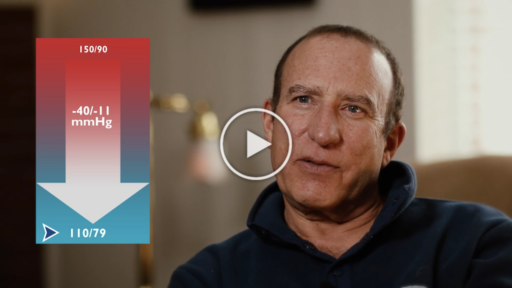
Watch How Mark Lowered His Blood Pressure Naturally.
It was 150/100, this morning it was 110/79
Here are the five occupations with the strongest clinical evidence for elevated hypertension risk.
1. Firefighters: The Occupations Hypertension Risk No One Talks About
Firefighting consistently ranks among the highest-risk occupations for hypertension in peer-reviewed literature. The evidence is both alarming and consistent across multiple countries and study designs.
Research assessing systemic blood pressure and hypertension prevalence among more than 5,000 U.S. career firefighters found hypertension rates significantly higher than the general population across all age groups. The study used the same diagnostic threshold as the 2025 AHA/ACC guidelines, systolic blood pressure at or above 130 mmHg or diastolic at or above 80 mmHg. pharmacytimes
A 2023 study published in Blood Pressure examined 111 on-duty firefighters and found that medical calls caused the greatest blood pressure and heart rate surge. Firefighters with hypertension experienced a greater blood pressure response than their normotensive colleagues. Furthermore, over 50% of line-of-duty deaths in firefighters have cardiac causes, and fewer than 25% of firefighters with hypertension have their blood pressure adequately controlled. Resperate
A 2025 study published in the International Journal of Environmental Health Research confirmed this picture, finding significant associations between elevated blood pressure and occupational cardiovascular risk factors in firefighters, with hypertension emerging as both a prevalent and inadequately managed condition in this workforce.
The mechanism is clear. Firefighters experience sudden, extreme transitions from rest to intense physical exertion, combined with toxic smoke exposure, disrupted sleep from shift work, and the psychological burden of trauma exposure. Each of those factors independently raises blood pressure. Together, they create compounding cardiovascular risk.
2. Police Officers and Law Enforcement: High Stress, High Stakes
Law enforcement officers face a hypertension risk profile that closely mirrors firefighters, though through partly different mechanisms.
Emergency responders including firefighters and police officers have the second highest prevalence of hypertension at 26% among all occupational groups, yet they have some of the lowest rates of awareness at 51%, treatment at 79%, and control at 48%. That combination, high prevalence and low control, is particularly concerning for a profession where sudden cardiovascular events can occur on duty. pharmacytimes
A nationwide retrospective cohort study published in PubMed found that both police officers and firefighters carry a high risk of cerebrovascular and cardiovascular diseases compared to other occupational groups, and that medical protection measures for these groups need significant improvement. Resperate
The occupational drivers are well documented. Law enforcement involves prolonged periods of low-intensity vigilance punctuated by sudden bursts of high-intensity activity. Shift work disrupts the body’s circadian rhythm, which directly impairs overnight blood pressure recovery. Officers also face elevated rates of post-traumatic stress, which is itself an independent risk factor for hypertension.
3. Commercial Truck Drivers: Sedentary, Isolated, and Under-Screened
Long-haul truck driving may not carry the dramatic physical demands of firefighting, but the occupational hypertension risk is just as well documented and arguably more widespread.
A cross-sectional study reported significant incidences of hypertension, diabetes mellitus, and cardiovascular disorders during routine driver fitness examinations of more than 95,000 commercial drivers. When compared to other occupational drivers, truck drivers were significantly more likely to have a hospital-recorded diagnosis of hypertension. PubMed Central
The drivers themselves are well aware of the problem. A 2024 observational study published in the Journal of Blood Pressure monitoring nurses confirmed that night shift workers consistently showed higher blood pressure readings than day shift counterparts — and the same principle applies directly to long-haul drivers who work overnight routes for extended periods.
The occupational mechanisms are straightforward. Prolonged sitting reduces circulation and promotes weight gain. Irregular schedules disrupt sleep. Access to healthy food on the road is genuinely limited. Social isolation compounds psychological stress. The cumulative effect of these factors, sustained over years, produces hypertension rates well above those of the general working population.
4. Nurses and Healthcare Support Workers: The Healers Who Need Healing
The irony of healthcare workers developing the very conditions they treat is well documented in the literature. Nursing, in particular, shows consistently elevated hypertension risk across multiple international studies.
A 2024 cross-sectional study of 627 professionally active nurses published in BMC Public Health found meaningful associations between workload, shift patterns, and elevated blood pressure readings. Night shift nurses showed significantly higher systolic blood pressure than day shift colleagues.
A 2023 cross-sectional study of nurses in tertiary hospitals found that among 360 nurses with a median age of 29 years, 28.9% were hypertensive, a prevalence rate comparable to the general adult population despite the relatively young age of the sample. The study concluded that nurses face numerous occupational stressors associated with an increased risk of hypertension, and that contrary to expectations, hypertension among nurses is not necessarily lower than in the general population. resperate nih
Furthermore, the Multi-Ethnic Study of Atherosclerosis, which analyzed over 2,500 working adults, found that a higher prevalence of hypertension in women was observed in healthcare support occupations specifically, with decision latitude playing a key modifying role. nih
The drivers in healthcare are clear. Twelve-hour shifts, mandatory overtime, emotional labor, physical demands of patient care, night work, and chronic understaffing all contribute to sustained physiological stress. When that stress is unrelieved over a career spanning decades, hypertension becomes an occupational hazard as real as a needle stick.
5. Construction Workers: Long Hours, Heavy Loads, and High Risk
Construction might seem physically vigorous enough to protect against cardiovascular disease. The research suggests otherwise.
A 2025 study published in Frontiers in Public Health examined the dose-response relationship between working hours and hypertension in construction workers. Using unconditional logistic regression models, the study found a clear dose-response relationship between weekly working hours and hypertension among construction workers, with prolonged work hours significantly increasing hypertension risk after controlling for other variables. MDPI
The occupational noise exposure that is endemic in construction adds an independent layer of risk. A systematic review and meta-analysis published in the International Journal of Environmental Research and Public Health found that occupational noise exposure at levels above 80 decibels produced a pooled effect size for hypertension of 1.81, representing an 81% higher risk of hypertension compared to workers without such noise exposure. A clear positive dose-response relationship was confirmed across multiple study designs. SciELO Brazil
Construction workers also face heat exposure, heavy physical exertion, irregular hydration, and limited access to healthcare. Many are contract workers without employer-sponsored health benefits, which means hypertension often goes unscreened and untreated for years.
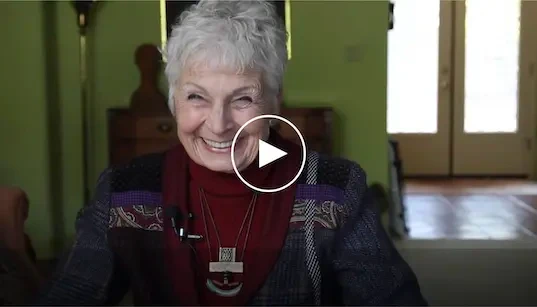
Watch how Julie Lowered her Blood Pressure Naturally.
It was 170/110, this morning it was 120/80
Learn More

What All Five Occupations Have in Common
Each of these five occupations shares a cluster of overlapping risk factors. Understanding them helps anyone in a high-risk job take targeted protective steps.
Shift work and disrupted sleep are present across all five. Sleep disruption prevents the overnight blood pressure dip that the cardiovascular system depends on for recovery. Over time, that lost recovery opportunity accumulates into sustained hypertension.
Chronic psychological stress drives cortisol elevation. Cortisol raises blood pressure directly by constricting blood vessels and increasing heart rate. Jobs that combine high demand with low control, a pattern well documented in the Journal of Human Hypertension research on work and hypertension onset, produce the strongest cortisol-driven blood pressure elevation.
Limited access to healthy food, exercise opportunities, and regular medical screening compound the occupational risks further. Many workers in these professions skip routine blood pressure checks for years at a time.
What You Can Do Right Now
If your occupation appears on this list, that is important information — not a reason for alarm. Occupational hypertension risk is well understood and manageable.
The CDC’s National Institute for Occupational Safety and Health recommends that workers in high-risk occupations prioritize regular blood pressure screening, heart-healthy dietary choices, consistent physical activity outside of work hours, and stress management strategies that address the specific demands of their profession.
Monitoring your blood pressure at home is one of the most practical steps you can take. Regular readings give you and your physician actionable data rather than a single snapshot taken at an annual physical. For more on what 24-hour blood pressure monitoring reveals that a single clinic reading cannot, see our guide to ambulatory blood pressure monitoring.
Diet matters too. The DASH diet and Mediterranean eating patterns consistently lower blood pressure across all occupational groups. Our collection of heart-healthy recipes is designed specifically for people who want practical, accessible meals that support healthier blood pressure readings.
Summary
Occupations hypertension risk is real, well-researched, and often underappreciated by both workers and clinicians. Firefighters, law enforcement officers, commercial truck drivers, nurses, and construction workers all carry elevated hypertension risk supported by peer-reviewed clinical evidence. The mechanisms differ by profession but converge on the same core drivers: shift work, chronic stress, limited recovery time, and restricted access to healthy lifestyle choices. Knowing your occupational risk is the first step. Acting on it through regular monitoring, dietary support, stress management, and a physician-directed treatment plan is what protects your long-term cardiovascular health.
RESPeRATE works alongside your physician-directed treatment plan to support healthy blood pressure through clinically proven, guided breathing therapy. Discover how it works.


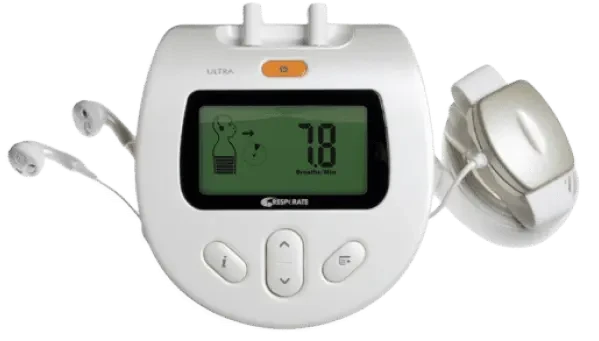
 Clinically proven

 Eli
Eli