 Eli Ben-Yehuda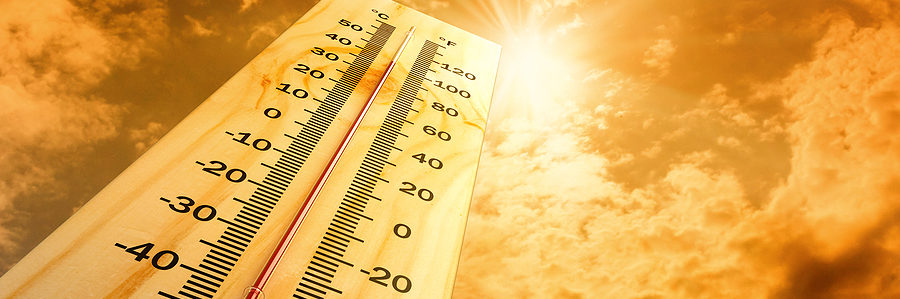
Summer is almost here. The warmer weather is great for lowering high blood pressure, especially after a long winter. Not only can a bit of sun help refill your blood pressure lowering vitamin D supply, the heat that comes with summer will also improve your blood pressure.
Does hot weather raises blood pressure?
One report suggests that blood pressure should be more closely monitored during hot weather. But also that anti-hypertensive medication should not be reduced during hot-weather months. It seems this is a common practice in countries with hotter climates, although it is not recommended in any guidelines.
According to Mayo Clinic, numerous studies have demonstrated that blood pressure generally tends to be lower in the summer and higher in the winter. The reason for the seasonal blood pressure change, explains Doctor Sheldon G. Sheps of Mayo Clinic, is that cold temperature narrows the body’s blood vessels requiring more pressure to force blood through narrowed veins and arteries.
Such seasonal blood pressure changes evidenced in the studies were related to either outdoor or indoor temperatures and they did not – until now – examine the link between high blood pressure and personal-level environmental temperature (PET). Meaning, the temperature of a person’s own environment and the number of daylight hours.
Dr. Pietro Amedeo Modesti, MD, Ph.D., of the University of Florence in Italy and colleagues, recently examined whether ambulatory BP monitoring is affected by personal-level environmental temperature or by seasonality, and they discovered a positive correlation.
The research report was published in the American Heart Association Hypertension Journal this month and it explains that the study involved a group of 1897 patients referred to hypertension clinics and sent to undergo ambulatory blood pressure monitoring (ABP).
ABP measures blood pressure at regular intervals throughout the day and night. According to the research abstract, “predictors of 24-hour daytime and nighttime BP and of morning BP surge were investigated with a multivariate stepwise regression model, including age, sex, body mass index, anti-hypertensive treatment, office BP, ambulatory heart rate, PET, relative humidity, atmospheric pressure, and daylight hours as independent variables.”
The Study Results
The study showed that with each increase of 1° C (1.8º F) at daytime, there was an average 0.14-mm Hg drop in one’s average daytime systolic blood pressure.
“With each 1-hour increase in daylight — a measure of seasonality — was associated with an increase in average nighttime systolic blood pressure by 0.63 mm Hg (95 percent CI 0.37 to 0.90), the researchers reported in the April issue of Hypertension: Journal of the American Heart Association. “The association between 24-hour temperature and 24-hour systolic blood pressure was only among individuals older than 65.”
Following the results, the researchers indicated that health professionals should advise high blood pressure patients to take steps to better protect themselves against cold weather “such as reduced exposure to the cold and home heating may be especially effective in the elderly.”
Note, according to the report, the researchers acknowledged that the study was limited by the cross-sectional design and by the assessment of different individuals at various times of the year, which muddies the assessment of the relationship between air temperature and blood pressure.
Furthermore, while heat may cause a reduction in blood pressure, too much heat can be harmful so it’s advised to enjoy the heat with moderation and stay hydrated with lots of water, especially as summer kicks in.


 Clinically proven