Eli Ben-Yehuda
As we get older, it’s common for blood pressure to creep upward—often so gradually that we barely notice it happening. Yet this steady rise is one of the most important health changes to understand, especially when it comes to protecting your heart and overall well-being. The Real Reasons Your Blood Pressure Rises as You Get Older goes beyond the numbers to explain what’s really happening inside your body as the years pass.
Aging naturally brings changes to your blood vessels, hormones, and overall metabolism. Arteries slowly become less flexible, the heart works a little harder, and the body’s ability to regulate fluids and sodium shifts. These factors create the perfect environment for higher blood pressure, even in people who have never struggled with hypertension before. Understanding these changes empowers you to take action early, rather than waiting for a doctor’s warning.
The good news? Age-related increases in blood pressure aren’t inevitable. With the right lifestyle choices—such as nutrition, activity, stress management, and regular monitoring—you can maintain healthy numbers well into your later years. This article takes a closer look at the hidden mechanisms behind rising blood pressure and how you can stay in control as your body changes.
The performance of our cardiovascular systems naturally decreases as we age
This is not surprising when you consider that there are so many variables associated with hypertension and old age. These include our cholesterol and blood pressure levels. According to the Mayo Clinic, hypertension is more common in middle aged men, with women being at higher risk after the menopause.
Here are several causes for blood pressure rise with age:
- An older heart: Even if you have a healthy diet and exercise frequently, aging is inevitable. This will affect the body’s performance in pumping blood. The natural pacemaker system in the heart regulates heart beats. As we age there is a greater likelihood that some of the pathways of the heart’s pacemaker system will have fat deposits, which affect how the heart works.
- Degeneration of the heart muscle cells and thicker cell walls are other reasons the heart’s aging might affect blood pressure. This can slow down the time the heart takes to fill with blood increasing pressure on the vessels.
- Blood vessels show a decreased performance as we age. These may be the most important variables when it comes to hypertension and old age, since arteries tend to narrow and harden as we age. This could lead to clogged arteries, which could lead to serious repercussions such as strokes or heart attacks.
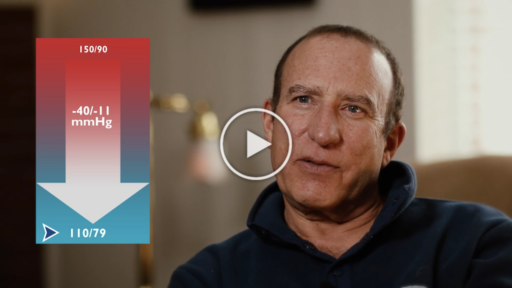
Watch How Mark Lowered His Blood Pressure Naturally.
It was 150/100, this morning it was 110/79
More Reasons To Consider
- The reduced elasticity of the blood vessels as we age can also be caused early on by poor diet or lack of exercise.
- The ability of the body to process dietary salt decreases with age. Excess sodium is known to be a risk factor when it comes to high blood pressure, and people with hypertension are usually recommended to cut their salt intake. As we age, however sodium tends to accumulate in the bloodstream, so elderly people are recommended to cut salt intake even more.
- Blood volume changes as we age, since the body loses its ability to retain fluid, meaning there’s less fluid in the bloodstream. Theoretically this decreased volume of blood flow should cause less pressure in the blood vessels, but in many cases this condition seems to have the opposite effect.
- Decreased kidney function is another reason for increased risk of hypertension in older people. If the arteries that carry blood from heart to kidneys aren’t working as they should hormones are released that make the body retain more sodium and water. Blood vessels fill with additional fluid in turn raising blood pressure.
- When it comes to hypertension and old age, older people tend to live more and more sedentary lives, a known factor behind increased blood pressure. One good way to stop the clock, and keep hypertension at bay as we age is to keep as active as possible.
Concluding Thoughts
Getting older may bring natural shifts in your cardiovascular system, but rising blood pressure doesn’t have to be one of them. By understanding exactly why blood pressure tends to increase with age, you gain valuable insight into how your body functions—and what it needs to thrive. Knowledge is your first line of defense against preventable health risks.
As you’ve learned, factors like stiffening arteries, hormonal changes, and altered kidney function all play a role in this upward trend. Yet each of these challenges can be supported through smart daily habits and proactive health care. Small adjustments, when practiced consistently, can make a major difference in how your heart and blood vessels age.
Ultimately, staying informed and taking action early are the keys to maintaining healthy blood pressure for life. By recognizing the signs, understanding the causes, and prioritizing heart-friendly choices, you can age with confidence and vitality. Let this knowledge empower you to protect your cardiovascular health for years to come.


 Clinically proven

 Brian
Brian