
 Eli Ben-Yehuda
In the search for natural ways to support heart health, many people are turning to plant-based supplements with promising scientific backing. One such supplement gaining attention is French maritime pine bark extract, commonly known by its trademarked name, Pycnogenol. Derived from the bark of pine trees grown along the southwestern coast of France, this extract is rich in powerful antioxidants that may play a role in cardiovascular wellness.
Hypertension, or high blood pressure, affects millions worldwide and is a major risk factor for heart disease and stroke. While lifestyle changes and prescribed medications remain the cornerstone of treatment, interest in complementary approaches continues to grow. French maritime pine bark extract has been studied for its potential to improve blood vessel function, reduce inflammation, and support overall circulation—key factors in managing blood pressure.
But how effective is it really? With a mix of clinical studies, anecdotal claims, and marketing hype, it can be difficult to separate fact from fiction. In this article, we’ll explore the benefits of French maritime pine bark extract for hypertension and take a closer look at the scientific evidence behind its use.
The Clinical Evidence
Three new studies on pine bark extract, taken from the bark of the French maritime pine tree, reveal that this powerful natural substance is capable of healing a variety of blood-related diseases, including psoriasis and hemorrhoids.
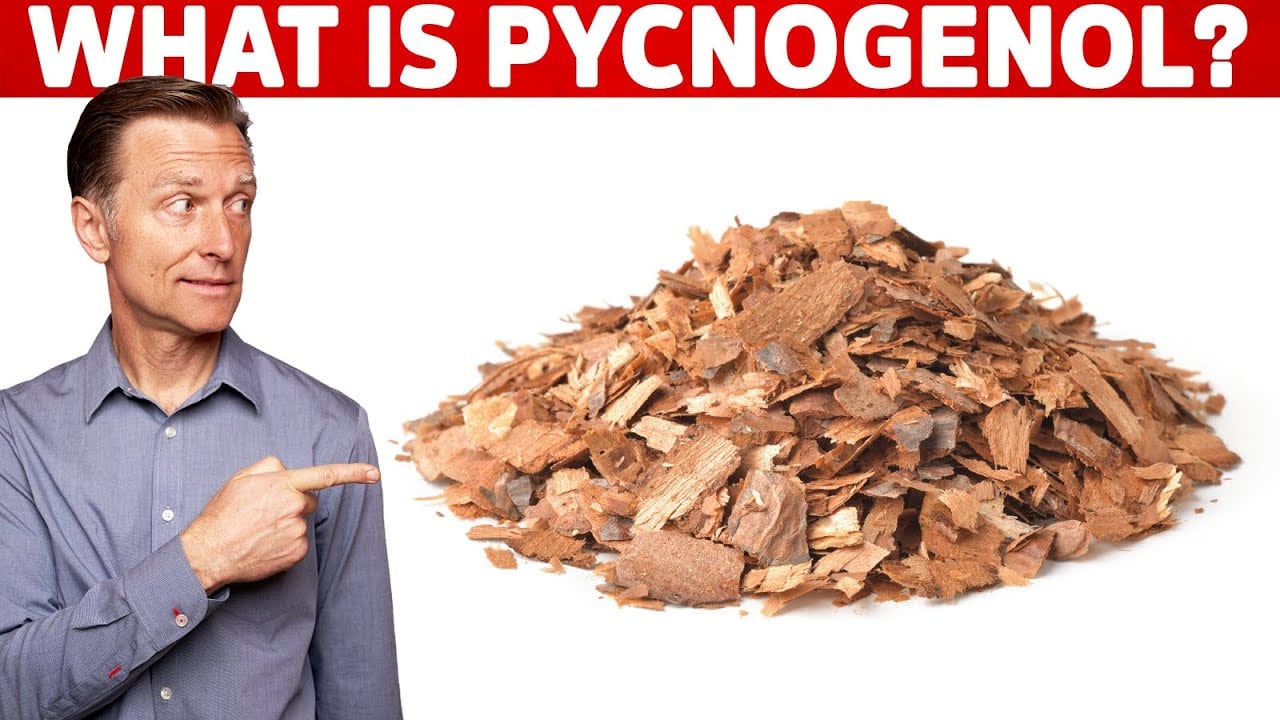
In separate research looking at blood-related conditions and diseases, researchers observed that pine bark extract improves the flexibility of blood vessel walls. At the same time simultaneously clearing out the plaque that can cause reduced flow or blockages. This was discovered after testing the 150 mg daily dosage of pine bark extract on a group of 93 patients with blood- or artery-related disorders.
After two months of treatment with the extract, the patients, who suffered from either high blood pressure, high blood cholesterol levels, or blood sugar problems, experienced an average 54 percent increase in blood flow. And after three months on the protocol, average blood flows increased by more than 66 percent.

Watch How Mark Lowered His Blood Pressure Naturally.
It was 150/100, this morning it was 110/79

How It Lowers Blood Pressure
What pine bark extract appears to do is reduce the oxidative stress that leads to the formation of circulatory and blood disorders in the first place. You can think of it kind of like the drains and piping in your house — when gunk builds up over time causing blockages. Then it is necessary to dissolve these blockages with a drain rooter or dissolving agent. In this case, pine bark extract is the dissolving agent.
At least part of these positive effects of Pycnogenol comes from the reality that the extract improves blood vessel health, reduces plaque and increases blood flow. This is particularly useful among the smaller blood vessels – such as those that nourish skin cells.
Researchers tested 93 patients with blood/artery-related disorders – 32 of whom had high blood, 31 who had high cholesterol levels and 30 who had blood sugar control problems (hyperglycemic) – along with 31 healthy patients. At issue was not only blood pressure but blood flow – measured by laser Doppler flux measurements – or LDF.
Each of the above disorders is related to decreased blood flow due to the lack of flexibility among the blood vessel walls and the existence of plaque within the blood vessels – which partially blocks the flow of blood through the veins and arteries.
After two and three months of Pycnogenol treatment at 150 milligrams per day, the researchers found that all four groups had increased blood flow and reduced blood pressure.
Closing Remarks
n the search for natural ways to support heart health, many people are turning to plant-based supplements with promising scientific backing. One such supplement gaining attention is French maritime pine bark extract, commonly known by its trademarked name, Pycnogenol. Derived from the bark of pine trees grown along the southwestern coast of France, this extract is rich in powerful antioxidants that may play a role in cardiovascular wellness.
Hypertension, or high blood pressure, affects millions worldwide and is a major risk factor for heart disease and stroke. While lifestyle changes and prescribed medications remain the cornerstone of treatment, interest in complementary approaches continues to grow. French maritime pine bark extract has been studied for its potential to improve blood vessel function, reduce inflammation, and support overall circulation—key factors in managing blood pressure.
But how effective is it really? With a mix of clinical studies, anecdotal claims, and marketing hype, it can be difficult to separate fact from fiction. In this article, we’ll explore the benefits of French maritime pine bark extract for hypertension and take a closer look at the scientific evidence behind its use.
Remember, if you are going to try alternative forms of medication, please consult with your health care provider. This way you can ensure there are no interactions with current medications you are taking.

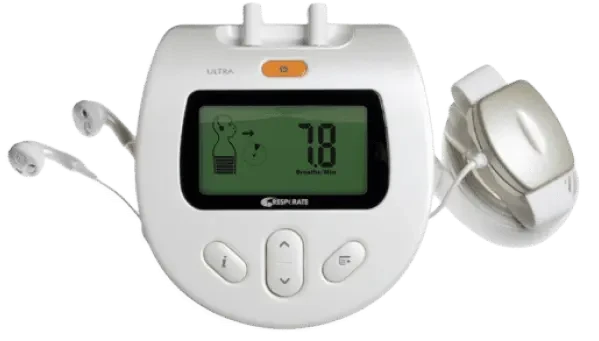
 Clinically proven

 Brian
Brian 





Comments
2 Replies to “French Maritime Pine Bark Extract for Hypertension: Benefits and Evidence”
Very interesting! Where can I find Pine Bark Extract, is it wild or can it be purchased?
Hi Javier, You should be able to purchase in any health food store. Kindest Regards Eli.