
 Eli Ben-Yehuda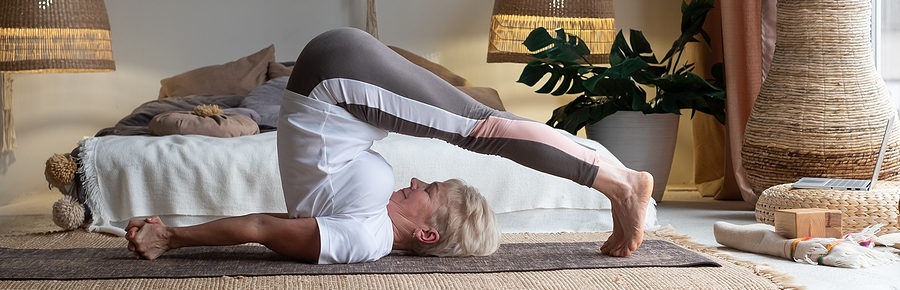
High blood pressure, also known as hypertension, affects millions of people worldwide and is often called the “silent killer” because it may not cause obvious symptoms. Left unmanaged, it can increase the risk of heart disease, stroke, and other serious health conditions. While medication and medical supervision are essential for many individuals, lifestyle changes such as regular physical activity, stress management, and mindful breathing can significantly support healthy blood pressure levels. One powerful and gentle approach is practicing yoga.
Yoga combines movement, breathing techniques, and relaxation, making it especially effective for calming the nervous system and reducing stress-related spikes in blood pressure. Unlike intense workouts that may temporarily raise heart rate and blood pressure, gentle yoga practices help activate the parasympathetic nervous system—the body’s “rest and digest” response. Below are some of the best yoga exercises to reduce high blood pressure safely.
How Yoga Helps Lower Blood Pressure
Before diving into specific poses, it’s important to understand why yoga works. Chronic stress is a major contributor to high blood pressure. When you’re stressed, your body releases hormones that cause your heart to beat faster and your blood vessels to narrow. Over time, this can lead to sustained hypertension.
Yoga encourages slow, controlled breathing and mindful movement, which can:
- Reduce stress hormones like cortisol
- Improve circulation
- Promote relaxation and better sleep
- Support heart health
Studies suggest that consistent yoga practice may help lower both systolic and diastolic blood pressure, especially when combined with a heart-healthy lifestyle.
1. Mountain Pose (Tadasana)
Mountain Pose may look simple, but it builds awareness, improves posture, and encourages steady breathing.
How to practice:
- Stand tall with your feet hip-width apart.
- Distribute your weight evenly across both feet.
- Relax your shoulders and lengthen your spine.
- Take slow, deep breaths for 1–2 minutes.
This grounding pose promotes balance and helps you focus on controlled breathing—an essential component in managing high blood pressure.
2. Cat-Cow Pose (Marjaryasana-Bitilasana)
Cat-Cow is a gentle flowing movement that links breath with motion. It improves spinal flexibility and encourages deep breathing.
How to practice:
Start on your hands and knees.
- Inhale as you arch your back and lift your head (Cow Pose).
- Exhale as you round your spine and tuck your chin (Cat Pose).
- Continue for 1–2 minutes at a slow, steady pace.
This movement helps relieve tension in the back and neck while promoting calm, rhythmic breathing.
3. Child’s Pose (Balasana)
Child’s Pose is deeply restorative and ideal for reducing stress and calming the mind.
How to practice:
- Kneel on the floor and sit back on your heels.
- Fold your torso forward, resting your forehead on the mat.
- Extend your arms forward or rest them by your sides.
- Breathe slowly for 2–5 minutes.
This pose gently lowers heart rate and supports relaxation, making it especially beneficial for people with hypertension.
Watch how Julie Lowered her Blood Pressure Naturally.
It was 170/110, this morning it was 120/80
Learn More
4. Legs Up the Wall (Viparita Karani)
Legs Up the Wall is one of the most effective restorative yoga poses for circulation and relaxation.
How to practice:
- Sit sideways next to a wall.
- Swing your legs up while lying back on the floor.
- Rest your arms comfortably by your sides.
- Stay in the pose for 5–10 minutes, breathing slowly.
- Sit with your legs extended in front of you.
- Inhale to lengthen your spine.
- Exhale and gently fold forward from the hips.
- Rest your hands on your legs or shins.
- Hold for 30–60 seconds with steady breathing.
- Sit comfortably with a straight spine.
- Close your right nostril with your thumb and inhale through the left.
- Close the left nostril and exhale through the right.
- Continue alternating for 3–5 minutes.
- Avoid intense inversions like Headstand or Shoulder Stand.
- Skip rapid breathing techniques such as Kapalabhati.
- Move slowly and avoid holding your breath.
- Stop if you feel dizzy or lightheaded.
- Consult your healthcare provider before starting a new exercise routine.
This gentle inversion encourages blood flow back toward the heart without straining the body. It’s a safe alternative to more intense inversions for individuals with high blood pressure.
5. Seated Forward Bend (Paschimottanasana – Gentle Variation)
A mild seated forward fold can calm the nervous system and stretch the back body.
How to practice:
Avoid forcing the stretch. The goal is relaxation, not intensity.
6. Alternate Nostril Breathing (Nadi Shodhana)
Breathing exercises are just as important as physical poses when practicing yoga for high blood pressure.
How to practice:
This calming breathing technique helps balance the nervous system and reduce stress-related tension.
Safety Tips for Practicing Yoga with High Blood Pressure
When practicing yoga for hypertension, safety is essential. Keep these guidelines in mind:
Gentle, consistent practice is more beneficial than pushing yourself too hard.
Creating a Simple Daily Routine
You don’t need a long session to experience benefits. A 15–20 minute daily yoga routine can make a difference. Start with Mountain Pose and deep breathing, flow through Cat-Cow, rest in Child’s Pose, practice a gentle forward fold, and finish with Legs Up the Wall and Alternate Nostril Breathing.
Consistency is key. Over time, this calming practice can support lower stress levels, improved heart health, and better blood pressure management.
Final Thoughts
The best yoga exercises to reduce high blood pressure safely focus on relaxation, slow breathing, and gentle movement. By calming the nervous system and improving circulation, yoga offers a natural and supportive way to manage hypertension. When practiced regularly and combined with medical guidance, healthy eating, and stress reduction, yoga can become a powerful tool for long-term heart health.
If you’re looking for a safe, natural way to support healthy blood pressure levels, rolling out your yoga mat may be one of the most beneficial steps you can take.
There are many other types physical exercises that can help with high blood pressure. Here is an interesting article covering a few of them.

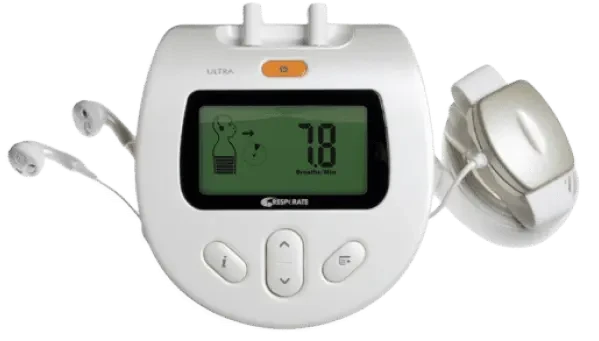
 Clinically proven


 Brian
Brian 



Comments