
 Eli Ben-Yehuda
Regular exercise is one of the most powerful tools for managing high blood pressure, but knowing how to exercise safely is key. The right types of physical activity can help lower systolic and diastolic numbers, strengthen the heart muscle, and improve overall circulation. However, certain workouts or intensity levels may put unnecessary strain on the cardiovascular system if not approached carefully.
For people living with hypertension, exercise should be both strategic and sustainable. Aerobic activities like brisk walking, swimming, and cycling can support heart health, while strength training — done properly — helps improve metabolic health and vascular function. The goal isn’t extreme performance; it’s consistency, moderation, and smart progression.
Understanding what to do — and what to avoid — can make all the difference in creating a safe and effective fitness routine. Whether you’re newly diagnosed or looking to refine your current workout plan, these practical guidelines will help you move with confidence while protecting your heart.
Getting Started
Physical activity actually increases your blood pressure, but only for the short term. Once you’ve stopped exercising, your blood pressure should return to normal quite quickly. The fitter you become the quicker your levels will drop back down to normal.
The American Heart Association recommends that you get at least 150 minutes of moderate exercise weekly, or 75 minutes of vigorous exercise weekly, or a combination of both each week.
In any event aim for at least 30 minutes of aerobic activity most days of the week. And if it’s convenient, the gym can be a great place to make sure this happens.
High Blood Pressure and Exercise Precautions
Aerobic exercise is an excellent form of activity for increasing fitness and lowering blood pressure. So using a treadmill or elliptical trainer is a good option in the gym.
Many gyms have aerobic classes. Start by joining a beginner’s level class and build up to the advanced classes when you’ve raised your fitness levels.
Yoga and Pilates are two activities that you can safely enjoy at the gym too, since they not only boost general fitness but reduce stress.
Whatever activity you opt for at the gym start slowly. Always remember to warm up before you exercise to prevent injury and cool down afterwards. Build up the intensity of your workouts little by little.
Stop exercising if you begin to feel dizzy, out of breath, have pains in your arm or jaw, an irregular heartbeat or excessive fatigue.
Monitor your progress and take regular blood pressure readings using a home BP monitor. This can quickly alert you as to whether your fitness regime is helping to reduce your hypertension. Check blood pressure before exercising and at least one hour afterwards.
Weight Training In The Gym.
It may seem counter-intuitive that lifting weights could improve blood pressure, because blood pressure goes up during the actual weight lifting. This week’s review examines whether a weight training exercise plan can in fact help you.
Resistance training at the gym may not be ideal since it can cause blood pressure to rise sharply, however if you use lower weights of 10 lbs or less weight training can be incorporated. Remember however to:
- Learn the correct techniques for lifting to reduce risk of injury.
- Don’t hold your breath. Holding your breath while you’re exerting yourself can cause BP to spike.
- Learn to breathe easily and continuously throughout the training.
- Lift lighter weights more frequently. Heavier weights put more strain on the body causing a greater rise in BP. Challenge yourself instead by lifting lighter weights and increasing the repetitions.
- Listen to your body. Stop all activity if you start to feel dizzy or out of breath, or if you experience any chest pain or pressure.
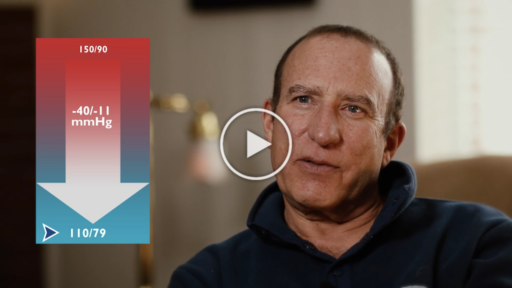
Watch How Mark Lowered His Blood Pressure Naturally.
It was 150/100, this morning it was 110/79

Research Review
In one study 15 men above the age of 46 +8 with high blood pressure participated in a weight training program 3 times a week M-W-F with 1 day of rest in between for 12 weeks.
The study was based on 1 Repetition Maximum (1RM) from earlier testing and the volunteers did 3 sets of 12 reps at 60% of their 1 RM of the following exercises:
- leg curl
- chest press
- lat pulldown
- shoulder press
- biceps curl
- triceps extension
Rest between sets was 1 minute and the exercises were not done in a circuit. All three sets were completed for one exercise before moving on.
The Results.
Does weight training improve blood pressure in middle aged men?
The answer to that is yes, weight training improves blood pressure. Both systolic and diastolic went down after 12 weeks on the program, 16 and 12 mm Hg, respectively (Figure 2). The decrease was enough to shift the group average from being stage 1 hypertension (150/93) to pre-hypertension (134/81).
Conclusion
If your blood pressure is very high your doctor may want to lower it with medicines to start with before commencing you on an exercise program. In any event seek medical advice before embarking on any gym fitness routine.
In a meta-analysis from 2016 on Acute Effects of Exercise on Blood Pressure, the researchers concluded that “Although initially we intended to find the intensity, duration, and type of exercise that best reduced BP, we found that regardless of the participant, measurement features, and exercise characteristics, there was a reduction in BP in the hours that followed an exercise session.”
If you take regular medication ask whether exercising will make it work differently or change the side-effects.
If you take beta blockers to control your high blood pressure they can make it difficult for you to reach your target heart rate (since their job is to slow it down). Even if you don’t reach your target, you will still be getting important cardiovascular benefits.
By following these exercise dos and don’ts, you can effectively manage your hypertension and enhance your heart health. Remember, consistency is key, and it’s always a good idea to consult with your healthcare provider before starting any new exercise regimen. Stay active, stay informed, and take control of your heart health today.
Exercise Thoughts
Exercising with high blood pressure doesn’t mean limiting yourself — it means exercising with intention. By choosing heart-smart activities, warming up properly, monitoring intensity, and avoiding sudden bursts of extreme strain, you can enjoy the full benefits of physical activity without unnecessary risk.
Consistency is far more important than intensity. Small, steady efforts like daily walks, moderate cycling sessions, or guided strength workouts can significantly improve blood pressure over time. Pairing exercise with proper hydration, stress management, and medical guidance creates a well-rounded approach to hypertension management.
With the right plan in place, movement becomes medicine. Follow these safe exercise tips for high blood pressure, and you’ll build a routine that strengthens your heart, boosts your energy, and supports long-term cardiovascular health.

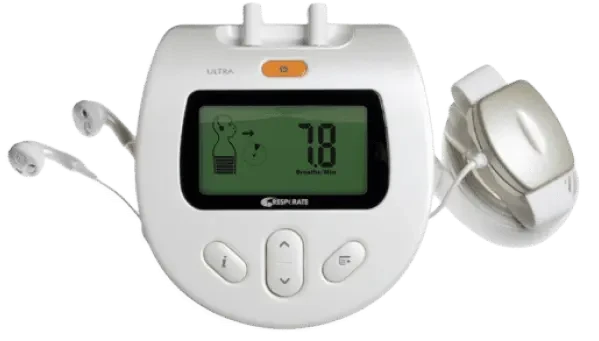
 Clinically proven

 Brian
Brian 





Comments
3 Replies to “Safe Exercise Tips for High Blood Pressure (What to Do and Avoid)”
Thank you for continuing to send me positive support emails.
There are good exercise videos on you tube at “Exercise for Health”. An exercise specialist from England has tailored these workouts to help reduce blood pressure. Light cardio mixed with resistance. I have been working out with these videos and it has been helping me. I am 64 and have some joint issues, but otherwise pretty fit.
Hi Suzanne, Thank you for sharing this with us. Warmest Regards, Eli, Content Manager, RESPeRATE.