
 Brian Fairchild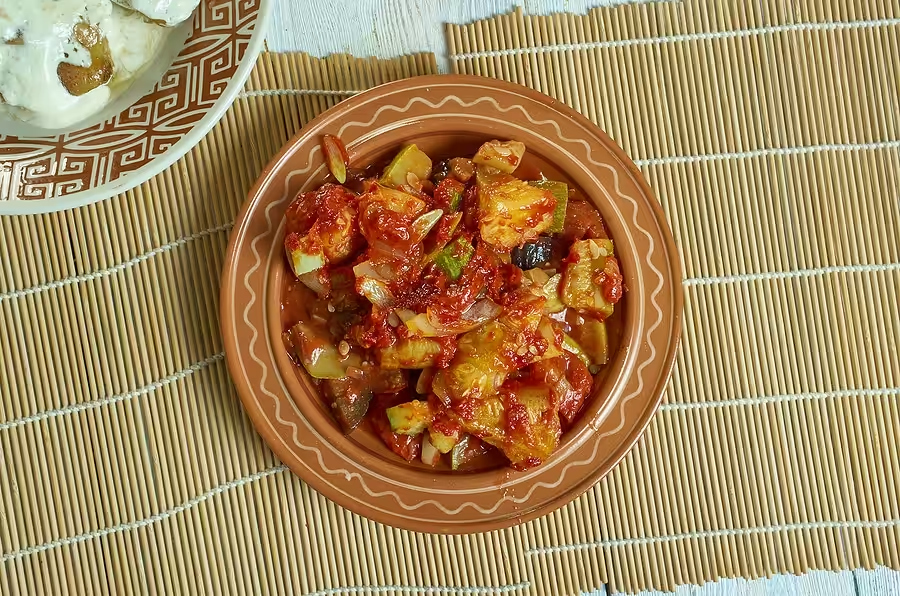
In Serbian, a bećar is a bachelor, a man of modest means but decent taste who makes the most of what he has. The word itself traces back to the Turkish bekâr, meaning an unmarried man, a carouser, a reveler. Every summer, when peppers and tomatoes came in heavy from the garden and the pantry held little else, the bećar threw together what he had: vegetables, eggs, a splash of oil, some garlic. The result was bećar paprikaš. This bećar paprikaš recipe has been a staple of Serbian home kitchens ever since, and it turns out he was also eating for his heart, though nobody called it that at the time.
This bećar paprikaš recipe goes by different names across the Balkans. In Croatia and parts of Serbia it appears as sataraš. In Hungary, the cousin version is lecsó. The core is always the same: paprika šilja, the long sweet pointed peppers that fill Serbian markets every summer, tomatoes, onion, garlic, oil, and eggs. Every one of those ingredients has a documented cardiovascular benefit. For more on how these foods fit into a broader blood pressure diet, see our post on natural foods to lower blood pressure.

Watch How Mark Lowered His Blood Pressure Naturally.
It was 150/100, this morning it was 110/79

Why these ingredients work for your blood pressure
Paprika šilja (pointed sweet peppers)
Paprika šilja are the long, thin-walled sweet pointed peppers used throughout Serbia and the wider Balkans. They are thinner-skinned and sweeter than bell peppers, with a more concentrated flavor when cooked down in oil. All sweet peppers in the Capsicum annuum family share the same core cardiovascular benefits: potassium at around 200 to 250 mg per 100g, quercetin, a flavonoid that improves endothelial function and reduces oxidative stress in blood vessel walls, and ACE inhibition, the same mechanism targeted by a class of common blood pressure medications. The American Heart Association identifies potassium as a key dietary tool for blood pressure management, and these peppers supply it without any sodium load. In the United States, Cubanelle peppers are the closest readily available substitute. Jimmy Nardello peppers, available at farmers markets and specialty stores, are an even more accurate match in flavor and texture.
Tomatoes
Tomatoes supply lycopene, a carotenoid with well-documented blood pressure effects. A 2025 umbrella review published in Food and Function, covering nine systematic reviews and meta-analyses of intervention studies, confirmed that tomato-derived lycopene lowers blood pressure with high certainty of evidence. Reductions of 2 to 5.66 mmHg in systolic blood pressure appear consistently across the pooled data. The effect on blood pressure activates specifically when systolic pressure runs above 120 mmHg, which describes most people reading this post. Cooking tomatoes in oil, as this recipe does, increases lycopene bioavailability because lycopene is fat-soluble.
Garlic
Three cloves of garlic is a meaningful dose. Research published in the Journal of Nutrition links regular garlic consumption to modest reductions in both systolic and diastolic blood pressure through allicin-mediated relaxation of arterial smooth muscle. Raw or lightly cooked garlic preserves more allicin than long-cooked preparations. Adding the garlic late in the cooking process, as this recipe instructs, is intentional.
Olive oil
Extra virgin olive oil provides oleocanthal, a polyphenol with anti-inflammatory properties comparable to low-dose ibuprofen, and oleic acid, a monounsaturated fat associated with lower cardiovascular risk. Olive oil belongs in every heart-healthy kitchen. Using it as the cooking fat here rather than butter or vegetable oil shifts the fat profile of the dish in a meaningful direction. See our DASH diet overview for more on how fat quality affects blood pressure.
Eggs
Eggs contribute protein and choline without the sodium that processed protein sources carry. Current evidence does not support the older view that dietary cholesterol from eggs drives cardiovascular risk in most people. For a dish without meat, eggs provide the protein that makes this a complete plate rather than a side dish. Egg whites only, if your physician has advised limiting dietary cholesterol.
A note on sodium
This recipe needs no added salt in the dish itself. The vegetables carry enough natural flavor, especially as the tomatoes reduce and concentrate. Taste before adding anything. If you feel it needs a lift, a squeeze of lemon over the eggs at the end does the job without sodium.

Watch how Julie Lowered her Blood Pressure Naturally.
It was 170/110, this morning it was 120/80
Learn More

Ingredients
Makes 4 servings
- 2 tablespoons extra virgin olive oil
- 1 large yellow onion, sliced thin
- 500g (about 1 lb) paprika šilja (long sweet pointed peppers), see substitution note below
- Substitution note: In the United States, use Cubanelle (Italian frying peppers), available at most grocery stores, or Jimmy Nardello peppers from farmers markets or specialty stores. Red bell peppers work if neither is available, though the flavor will be milder and the texture slightly thicker.
- 4 medium ripe tomatoes, roughly chopped, or one 400g can of whole tomatoes, drained
- 3 cloves garlic, minced
- 1 teaspoon sweet paprika
- 1/2 teaspoon smoked paprika
- 4 eggs
- Fresh parsley or dill, chopped, to finish
- Ground black pepper to taste
- Salt: taste before adding, this dish rarely needs it
Directions
- Warm the olive oil in a wide skillet over medium heat. Add the sliced onion and cook for 8 to 10 minutes, stirring occasionally, until soft and translucent. Do not rush this step. A properly softened onion builds the base flavor that the rest of the dish depends on.
- Add the paprika šilja strips. Cook for another 6 to 8 minutes until they soften and begin to take on a little color at the edges. Their thinner walls mean they cook faster than bell peppers, watch them so they do not over-color.
- Add the chopped tomatoes, sweet paprika, and smoked paprika. Stir to combine. Reduce the heat to medium-low and cook uncovered for 15 minutes, stirring occasionally, until the tomatoes break down and the liquid reduces to a thick, saucy consistency. The mixture should hold its shape on a spoon.
- Add the minced garlic and stir through. Cook for 2 minutes. Adding garlic at this stage rather than at the beginning preserves more of its allicin content.
- Make four wells in the vegetable mixture with a spoon. Crack one egg into each well. Cover the skillet and cook on low heat for 5 to 7 minutes, until the egg whites set but the yolks stay soft. If you prefer fully set yolks, cook for 2 additional minutes.
- Remove from heat. Scatter the fresh parsley or dill over the top. Taste and add black pepper. Add salt only if you feel the dish genuinely needs it.
- Serve directly from the skillet with crusty whole grain bread to scoop up the sauce, or alongside a simple green salad.
Variation: For additional protein, stir in a handful of drained white beans or chickpeas before adding the eggs. Both are DASH-friendly and add fiber without changing the character of the dish.
Make-ahead: The vegetable base keeps well in the refrigerator for up to three days. Reheat gently in the skillet and add fresh eggs to order.
Why This Bećar Paprikaš Recipe Works for Your Heart
The bećar who invented this bećar paprikaš recipe was working from scarcity. A garden full of vegetables, a few eggs, oil, and garlic. It turns out those constraints produced something nutritionally sound and genuinely satisfying. Potassium from the peppers, lycopene from the tomatoes, allicin from the garlic, quality fat from the olive oil, and protein from the eggs. The DASH diet did not exist when he made this dish, but it describes it well.
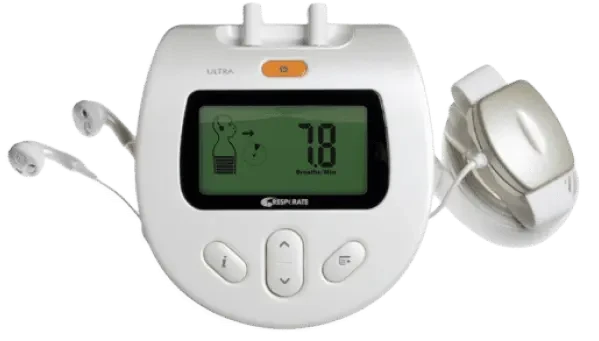
For more heart-healthy recipes, see our full healthy recipes collection. RESPeRATE is the only FDA-cleared non-drug device clinically proven to lower blood pressure. Use it as part of your overall health program alongside your physician-directed treatment plan. See the full clinical evidence at our clinical proof page.

 Clinically proven

 Eli
Eli 





Comments