
 Eli Ben-Yehuda
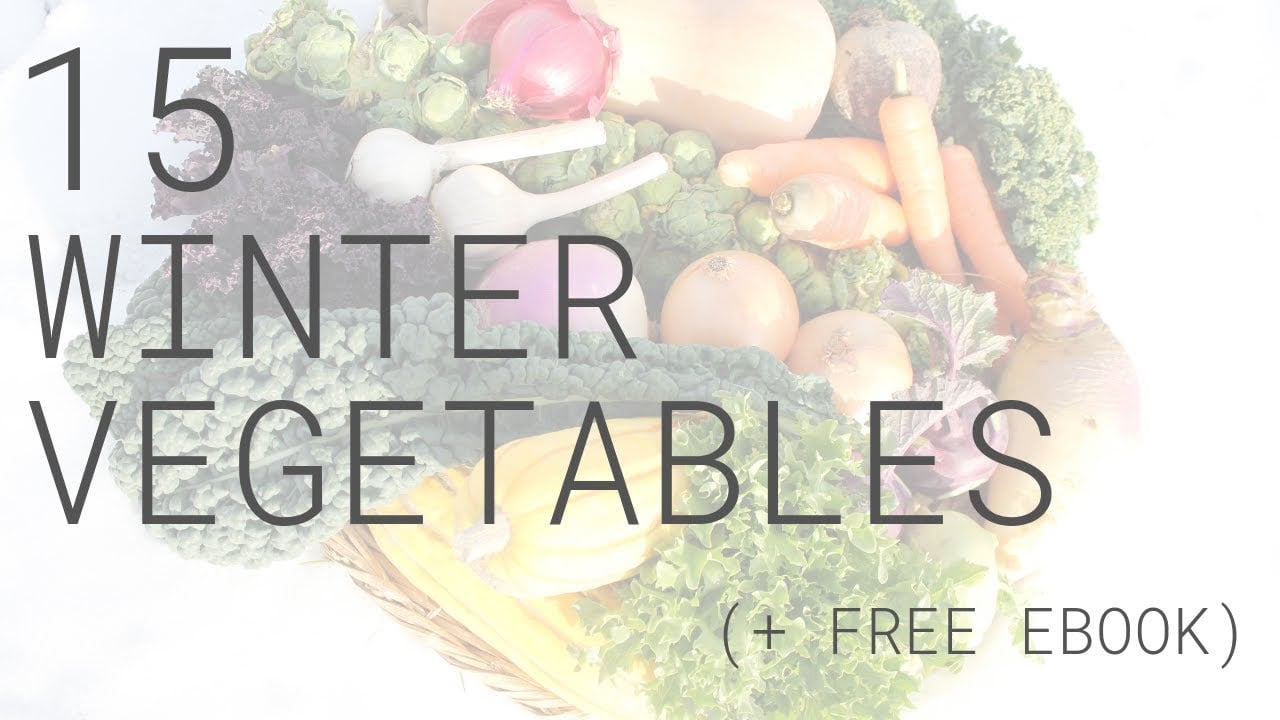
When the cold months roll in, our diets often shift toward heavier comfort foods — but winter also brings a bounty of fresh, nutrient-rich vegetables that can help keep your blood pressure in check. From leafy greens to hearty root veggies, these seasonal superfoods are packed with potassium, magnesium, fiber, and antioxidants — all key players in supporting healthy circulation and cardiovascular balance. Eating the right winter produce isn’t just about staying nourished; it’s about taking a natural, proactive approach to managing blood pressure.
In this article, we’ll explore six of the best winter vegetables that can become your secret weapon for heart health. Each one offers unique benefits — from helping your body flush out excess sodium to supporting the relaxation of blood vessels. Whether you add them to soups, roasts, or salads, these vegetables prove that seasonal eating can be both comforting and cardioprotective.
Vegetables that lower blood pressure
This is my favorite time of the year for fruits and vegetables. The cooler weather often provides tastier vegetables and fruits. As a matter of fact, if you are a person who eats according to the season this too may be your favorite time of the year.
Fruits and vegetables provide an amazing way to lower your blood pressure. And some of them pack as much power as an ACE inhibitor. If I can lower my blood pressure using nature’s medicine cabinet I would rather do that then take a medication that is supposed to help me but hits me with awful side effects.
So today I would like to take a look at 6 winter vegetables that can help lower your blood pressure.
Carrots:
Carrots are packed with potassium. Potassium helps relax the tension in your blood vessels and arteries; it negates the ill-effects of sodium. It also reduces the risk of atherosclerosis and strokes. You can include this veggie in broths, stews, and juices. As a matter of fact, according to one study, drinking 16oz. Of carrot juice daily decreased blood pressure, lipid markers and increased antioxidant levels.

Watch how Julie Lowered her Blood Pressure Naturally.
It was 170/110, this morning it was 120/80
Learn More

Beetroot:
According to the book Healing Foods by DK Publishing House, its antioxidants help lower blood pressure and cholesterol levels, while the B vitamins help improve nerve function. Studies have claimed that the high content of nitrates in beetroot produces a gas called nitric oxide. This gas helps to relax and dilate your blood vessels, which further improves blood flow and lowers blood pressure temporarily. Here’s how you can make yourself a healthy glass of beetroot juice. Researchers have concluded that one glass of beetroot juice a day is enough to significantly reduce blood pressure in people with high blood pressure. They conducted a placebo-controlled trial with dozens of participants.
Spinach:
A Swedish study has shown that spinach is one of the superfoods that will bring your BP readings down due to its abundance of heart-healthy nutrients like potassium, folate, and magnesium. In fact, because of its high potassium content, spinach can negate the effects of sodium (one of the big dietary no-nos for those with hypertension. Low potassium intake may be just as big of a risk factor in developing high blood pressure as a high sodium intake. Spinach is extremely low in calories; you can toss it up in salads, sneak it in sandwiches and lasagna or blend it into smoothies.
Radish:
Radish also provides your body with potassium, which can help lower your blood pressure, and keep your blood flow in control, especially if you are known to suffer from hypertension. According to Ayurveda, radish is believed to have a cooling effect on the blood. You can use radish in your salads or even blend it in soothing soups.
Fenugreek Leaves:
Both fenugreek leaves and fenugreek seeds are packed with good amount of soluble fiber, which helps in reducing cholesterol, high-fibery LDL. High-fiber diet has been linked with steady blood pressure levels too. Additionally, methi leaves and seeds are very low on sodium as well. Fenugreek can reduce high blood pressure, but it should not be taken daily as it would bring down blood sugar as well. It has a bitter taste and is difficult to eat. You can powder fenugreek and keep it for a long time. Before going to bed, put a spoonful of fenugreek powder in mouth and drink hot water simultaneously. Drink water until the bitterness is gone.
Celery:
Eating or juicing just four stalks of celery a day prompts a decrease in both blood pressure and cholesterol levels. In addition to this health-giving benefit, celery is also full of vitamin C, fiber, and potassium, so it is a great post-workout replenishment. Celery is also 90% water so it is a very alkalizing food. A recent study did find that taking celery seed extract improved BP levels in patients who had mild to moderate elevations. But for the most part, research indicates taking plant extracts offers little to no benefit and can sometimes cause harm. For this reason, it makes sense to simply eat the whole food, including celery.

Watch How Mark Lowered His Blood Pressure Naturally.
It was 150/100, this morning it was 110/79

Other winter tips:
Below are some useful winter weather tips for people living with high blood pressure:
- Minimizing outdoor activity to reduce sudden changes in the heart’s workload.
- Avoiding extreme exertion or heavy lifting.
- Dressing in layers to conserve body heat.
- Always wearing a scarf, and gloves when stepping outside to minimize the amount of skin exposed to outdoor temperature, which may increase blood pressure.
- Avoiding alcohol and caffeine as they can cause the body to lose heat more rapidly.
- Eating a well-balanced diet consisting of a variety of foods rich in nutrients that help lower blood pressure, while reducing salt intake. A DASH diet (Dietary Approaches to Stop Hypertension) is recommended for people living with the condition. Basically, the DASH diet emphasizes vegetables, fruits and low-fat dairy foods – and moderate amounts of whole grains, fish, poultry and nuts, as per Mayo Clinic.
Experts cautioned that people whose jobs require prolonged or repeated exposure to cold, such as farmers, construction workers, meat cutters, should be particularly mindful of precautions to help lower their risk.
Embracing winter vegetables is a simple yet powerful way to nourish your body and support healthy blood pressure through the colder months. By incorporating these six seasonal favorites into your meals, you can enjoy delicious flavors while naturally promoting better heart health. It’s an easy shift that pays off with every bite — keeping you energized, balanced, and well-nourished all winter long.
Remember, good nutrition doesn’t have to be complicated or bland. The next time you’re at the market, reach for these vibrant winter picks — your heart (and your taste buds) will thank you. A few mindful choices in the kitchen can make a big difference for your blood pressure and your overall well-being.


 Clinically proven

 Brian
Brian 





Comments
One Reply to “6 Best Fall-Winter Vegetables to Naturally Lower Your Blood Pressure”
I’d love to see an article on the effects of micro greens on blood pressure.