
 Brian Fairchild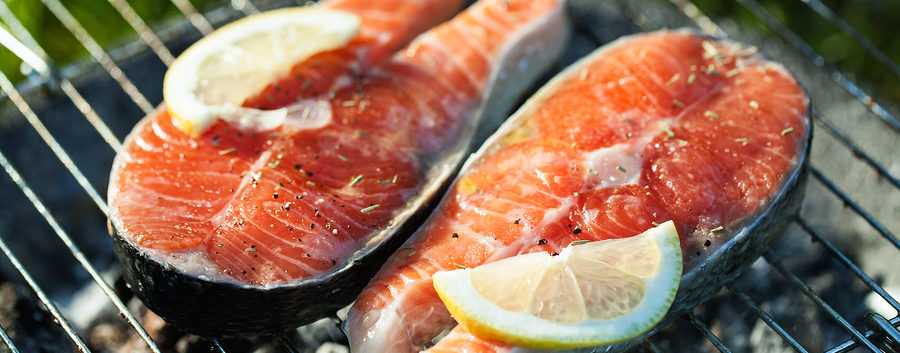
There are good grilled fish recipes and there are great ones. The difference is usually not technique. It is starting with the right fish. This one starts with salmon. For anyone managing blood pressure or looking after their heart, that choice matters more than most people realize.
Salmon is the most omega-3-rich fish you can put on a home grill. A single six-ounce fillet delivers roughly 3 to 4 grams of EPA and DHA combined. These are the two omega-3 fatty acids with the strongest cardiovascular research behind them. The American Heart Association recommends eating fatty fish at least twice a week for good reason. The evidence connecting regular fish consumption to lower cardiovascular risk is some of the most consistent in nutrition science.
This recipe keeps things simple. Lemon, garlic, olive oil, fresh herbs, and a hot grill. That is all you need. And every one of those ingredients is doing something useful for your heart alongside making dinner taste genuinely good.
Why This Recipe Is Good for Your Heart
Let us take a quick tour of what is actually happening in this dish, because each ingredient earns its place.
Salmon: the cardiovascular case for fatty fish
Salmon is one of the richest whole-food sources of EPA and DHA omega-3 fatty acids. These are not general wellness nutrients. They have specific, documented cardiovascular effects. EPA and DHA reduce inflammation in blood vessel walls and lower triglycerides. They also improve arterial wall flexibility and support healthy heart rhythm.
A dose-response meta-analysis published in the Journal of the American Heart Association confirmed that higher omega-3 intake consistently reduces both systolic and diastolic blood pressure, with the effect strongest in people with elevated baseline readings. For anyone already managing hypertension, getting omega-3s from whole food sources like salmon is the most bioavailable and most satisfying route available.
The American Heart Association recommends fatty fish at least twice a week for cardiovascular protection, noting that salmon, mackerel, herring, sardines, and trout provide the most concentrated sources of EPA and DHA.
Olive oil: monounsaturated fats and vascular health
Extra-virgin olive oil is one of the most studied foods in cardiovascular nutrition. Its monounsaturated fats support healthy LDL cholesterol levels and reduce vascular inflammation. They also provide the fat-soluble base your body needs to absorb antioxidant compounds from the herbs and lemon. It also keeps the salmon from sticking and drying out. Practical and cardiovascular benefits in the same tablespoon.
Garlic: a natural ACE inhibitor
Garlic contains allicin, a sulfur compound with well-documented antihypertensive properties. A meta-analysis of 12 trials found garlic supplementation reduces systolic blood pressure by an average of 8.3 mmHg in hypertensive patients. In terms of magnitude, that is comparable to standard antihypertensive medications. At culinary doses in a recipe, the effect is more modest. But garlic used consistently across meals contributes meaningfully to a blood pressure-supporting diet.
Lemon juice and zest: vitamin C and flavonoids
Lemon contributes vitamin C, a water-soluble antioxidant that reduces oxidative stress on blood vessel walls. It also provides hesperidin, a citrus flavonoid with consistent evidence for improving endothelial function. The zest carries more hesperidin than the juice. Using both gives you the full benefit.
Fresh herbs: anti-inflammatory compounds at no sodium cost
Thyme and parsley are not garnish here. Thyme contains rosmarinic acid and other polyphenols with anti-inflammatory activity. Parsley is one of the most vitamin K and vitamin C dense herbs available. Both add flavor complexity that reduces the need for salt. Reducing sodium is one of the most direct dietary steps available for blood pressure management. Replacing sodium with herbs is one of the simplest and most evidence-backed DASH diet strategies.
For more on how the DASH eating pattern supports blood pressure management, our DASH diet overview post has a full breakdown.
It was 150/100, this morning it was 110/79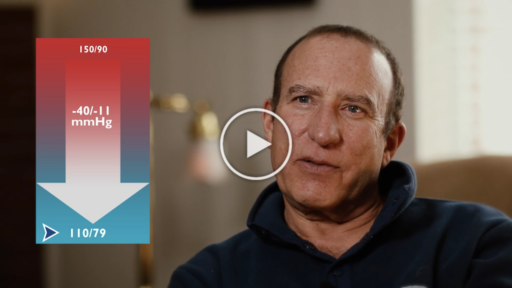
Watch How Mark Lowered His Blood Pressure Naturally.

Michelle Routhenstein is a preventive cardiology dietitian who specializes in heart disease prevention through nutrition. In the video below, she explains why most people fall short on omega-3s and how to prioritize food sources first. Her approach mirrors exactly what this recipe is designed to do.

With that context in mind, here is everything you need to make it.
Ingredients
- 4 salmon fillets, 6 oz each, skin-on
- 3 tablespoons extra-virgin olive oil
- Juice and zest of 1 lemon
- 4 cloves garlic, minced
- 2 tablespoons fresh flat-leaf parsley, chopped
- 1 tablespoon fresh thyme leaves
- ¼ teaspoon black pepper
- Pinch of sea salt (optional — omit for strict sodium restriction)
- Lemon wedges to serve
A Few Tips Before You Start
Skin-side down first and do not touch it. The skin acts as a natural heat shield, protecting the delicate flesh and making the fillet easier to flip in one piece. Four to five minutes undisturbed on the skin side, then a gentle flip for three to four minutes on the flesh side. The salmon is done when it is just opaque throughout. Slightly translucent in the very center is perfect. Opaque all the way through is overcooked.
Reserve half the marinade for after cooking. Using the same mixture twice gives you a fresh, bright finish on the plate without any cross-contamination risk from the raw fish. That second drizzle at the end is what makes the dish taste like it has more going on than it actually does.
Lemon zest is the most important ingredient most people skip. The zest carries the aromatic citrus oils and more hesperidin than the juice. Always zest the lemon before you juice it, and use both.
Sides that work. Steamed asparagus, roasted sweet potato wedges, or a simple arugula salad with lemon vinaigrette all complement the salmon and add potassium, fiber, and additional cardiovascular benefit without requiring any extra cooking complexity.
No grill? This works just as well under a broiler on high heat, skin-side up first, about four to five minutes, then flip for three minutes. Alternatively, a cast iron pan over high heat produces a beautiful crust.
Preparation
Combine olive oil, lemon juice, lemon zest, garlic, parsley, thyme, and black pepper in a small bowl. Stir well. Set aside half of this mixture in a separate bowl for serving.
Pat the salmon fillets dry with paper towels. Brush liberally with the marinade on all sides. Allow to rest at room temperature for 15 minutes.
Preheat grill to medium-high heat. Clean the grates and brush lightly with oil to prevent sticking.
Place salmon skin-side down on the grill. Cook without moving for 4 to 5 minutes until the skin is crisp and the flesh has turned opaque about halfway up the fillet.
Flip carefully using a wide spatula. Cook a further 3 to 4 minutes until the flesh is just opaque throughout.
Transfer to a serving platter. Spoon the reserved herb and olive oil mixture over each fillet. Serve immediately with lemon wedges and your choice of sides. Makes 4 servings.
The whole process takes about 25 minutes from marinade to plate. It is realistic for a weeknight dinner without sacrificing flavor or nutritional value.
It was 170/110, this morning it was 120/80
Watch how Julie Lowered her Blood Pressure Naturally.


Eating fatty fish twice a week is one of the most consistently supported dietary recommendations in cardiovascular medicine. This recipe makes that something to look forward to, not an obligation.
A Dinner That Does Real Work for Your Heart
Heart healthy grilled salmon is not a compromise meal. It is one of those rare dishes where what is good for your cardiovascular system and what tastes great are the same thing.
The omega-3 fatty acids reduce inflammation and support healthy blood pressure. The garlic works through the same ACE-inhibitory pathway as an entire class of antihypertensive medications, in much gentler food-derived form. The olive oil provides the monounsaturated fats your arteries benefit from. The lemon contributes flavonoids that support endothelial function. The herbs replace the sodium that most fish recipes rely on for flavor. Everything in the dish is earning its place.
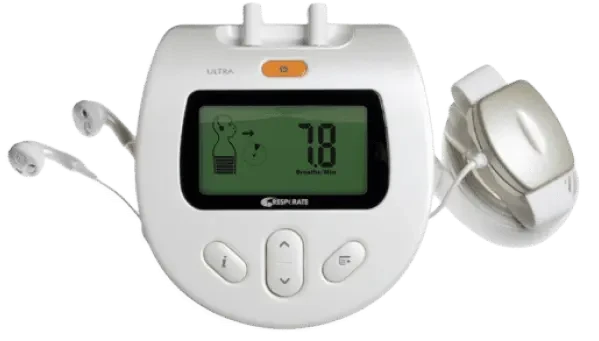
Pair this with your broader heart health routine. RESPeRATE works best as part of your overall health program alongside your physician-directed treatment plan. A fifteen-minute RESPeRATE session addresses the neural side of blood pressure management. Diet alone cannot reach that. The two work on different parts of the same problem.
We collected dozens of great heart healthy recipes for you — Here they are…
Ready to support your blood pressure alongside a heart-healthy diet? Explore RESPeRATE today and use it as part of your overall health program, alongside your physician-directed treatment plan.

 Clinically proven

 Eli
Eli 





Comments