
 Brian Fairchild

High blood pressure, often called the silent killer, affects millions of adults worldwide. Many people wonder whether headaches are a telltale sign of the condition. It is a common belief that a pounding or persistent headache must mean blood pressure is high. However, the science tells a more specific and more nuanced story. Understanding when headaches and hypertension are actually connected, and when they are not, helps you avoid confusion and take the right steps.
It was 150/100, this morning it was 110/79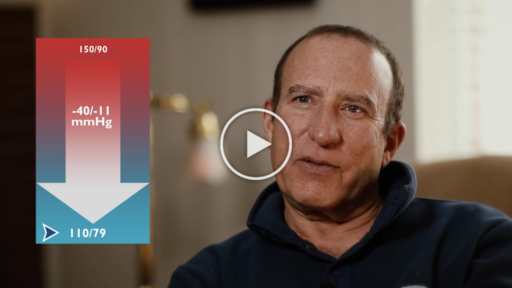
Watch How Mark Lowered His Blood Pressure Naturally.
Myths and Truths About High Blood Pressure Headaches
Think your headache might be connected to your blood pressure? In most cases, high blood pressure produces no symptoms at all. Many people carry the diagnosis for years without knowing it. Even so, untreated hypertension can lead to heart attack or stroke. Regular blood pressure monitoring matters precisely because the condition rarely announces itself.
That said, there are a few situations where headache and blood pressure genuinely connect. Today we clear up the most common misconceptions, explain when a headache warrants immediate attention, and outline what managing blood pressure at home actually involves. For context on blood pressure classifications and what your numbers mean, see our post on what is a normal blood pressure.
Hypertension Headache: What the Evidence Shows
Large population studies have found an association between high blood pressure and headache, particularly with high systolic pressure. However, according to the American Heart Association, high blood pressure does not cause headaches in most cases. An association is not the same as causation.
Further research supports this position. In a review of 4.8 million hospital visits, 3.7% of people listed headache as their primary symptom. Importantly, lowering blood pressure did not influence those headache symptoms, which suggests the headache had a different underlying cause in most cases.
When Blood Pressure Does Cause a Headache
One specific circumstance produces a genuine blood pressure headache: an acute, severe rise in blood pressure that leads to hypertensive crisis. A hypertensive crisis occurs when systolic pressure exceeds 180 mmHg and diastolic pressure exceeds 110 mmHg. At that level, the condition requires emergency medical attention.
Beyond hypertensive crisis, the only other documented conditions linking blood pressure to headache include pheochromocytoma, hypertensive encephalopathy, preeclampsia, eclampsia, and autonomic dysreflexia. Outside of these specific circumstances, headache is not a reliable indicator of elevated blood pressure.
What a Hypertensive Crisis Headache Feels Like
A headache during hypertensive crisis is usually bilateral, meaning it affects both sides of the head, most commonly in the temple regions. The sensation is often pulsating, reflecting the force of severely elevated blood pressure moving through the body. This is distinct from most common headache types, which tend to be one-sided or diffuse.
If you experience pain in the temple region alongside a blood pressure reading above 180/110, seek immediate medical attention. Wait five minutes and take a second reading. If the reading remains at that level, go to an emergency room or call 911. Once blood pressure normalizes, the headache typically dissipates. When hypertensive headache accompanies conditions like hypertensive encephalopathy, additional symptoms such as confusion, lethargy, and visual disturbances are also common.
Myths and Truths
Myth: Nosebleeds, facial flushing, and dizziness are caused by high blood pressure.
Truth: Nosebleeds, facial flushing, headaches, anxiety, and shortness of breath may occur during a hypertensive crisis. However, if you experience any of these symptoms long term, high blood pressure is unlikely to be the cause. Do not ignore them, because they may indicate another medical problem.
Myth: High blood pressure causes migraine headaches and increases stroke risk.
Truth: There is evidence of a link between migraine and stroke. Research indicates that people who have a migraine with aura face a higher risk of stroke. There also seems to be a higher prevalence of high blood pressure among migraine sufferers. However, high blood pressure has not been found to cause migraines. The relationship exists, but causation does not run in that direction.
Myth: I do not need to see a doctor if I have headaches.
Truth: Frequent headaches or migraines are not normal. Seek medical advice, because persistent headache can indicate more serious health problems. This is especially true for adults over 50 with new onset of headaches.
Myth: People with high blood pressure experience symptoms like nervousness, sweating, and difficulty sleeping.
Truth: High blood pressure often has no physical symptoms. That is precisely why it earns the name silent killer.
It was 170/110, this morning it was 120/80
Watch how Julie Lowered her Blood Pressure Naturally.


When to Seek Medical Help
Take your blood pressure. If you get a reading of 180/110, wait five minutes and take it again. If the second reading remains that high, seek immediate medical attention. Untreated blood pressure at those levels can cause blood vessel and organ damage, kidney problems, heart attack, and stroke.
Blood Pressure Medication Can Cause Headaches
One important consideration: some blood pressure medications list headache as a side effect. Medications in this category include ACE inhibitors, alpha-blockers, angiotensin II receptor blockers, and calcium channel blockers. Always discuss any side effects with your doctor. Other options are available and worth exploring.
Managing High Blood Pressure at Home
Whether or not your headaches are related to blood pressure, managing blood pressure effectively remains the right goal. Hypertension is common, and the most effective approach combines multiple lifestyle strategies alongside physician-directed care. Here are five evidence-backed steps:
- Exercise for 30 minutes most days.
- Eat a healthy diet with a focus on quality whole food sources.
- Aim to achieve a healthy BMI.
- Eat fewer packaged and processed foods and more natural, whole food sources to achieve a better sodium/potassium balance.
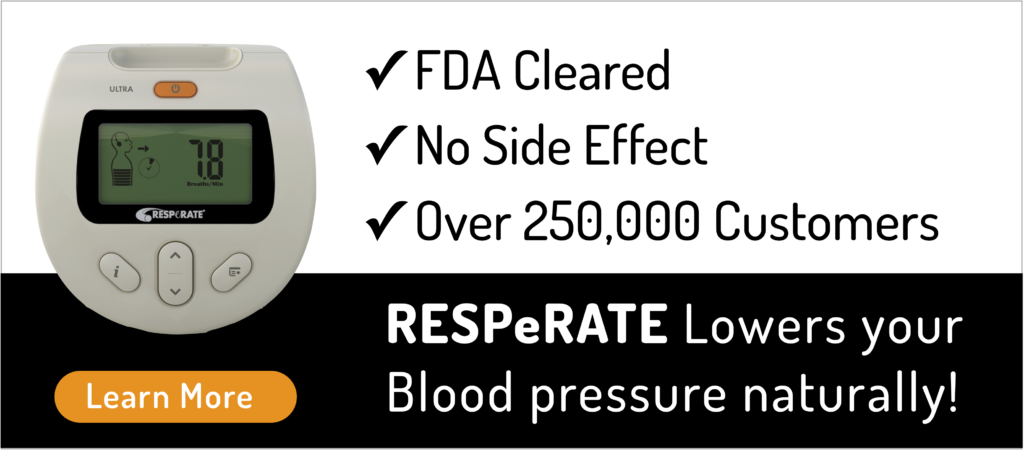
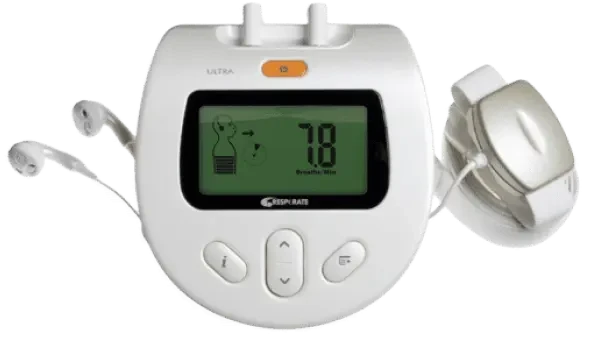
- Use RESPeRATE at least four times per week. It is the only FDA-cleared non-drug device clinically proven to lower blood pressure, and it works alongside your physician-directed treatment plan as part of your overall health program.
Summary
While headaches can be uncomfortable and disruptive, they are not a reliable indicator of high blood pressure. Hypertension most often develops silently, which is why regular monitoring matters. A genuine blood pressure headache occurs almost exclusively during hypertensive crisis, when readings exceed 180/110. Outside that specific situation, a headache is more likely to have another cause entirely. Focus on regular blood pressure checks, healthy lifestyle habits, and consulting your doctor when symptoms arise or readings stay elevated.

 Clinically proven


 Eli





Comments
One Reply to “Fact or Myth: Are Headaches a Symptom of High Blood Pressure?”
My blood pressure is high in the morning and down at night to a good reading. I have high blood pressure in the morning and do not have high blood pressure at night.