
 Brian Fairchild
Important: Dietary supplements are not regulated the same way prescription medications are by the FDA. They do not require proof of safety or effectiveness before going to market. The supplements discussed in this post have peer-reviewed research supporting their potential benefits for heart health and blood pressure, but that research varies widely in quality and consistency. Always speak with your physician before starting any supplement, especially if you take blood pressure medication or have a heart condition. Supplements are not a substitute for medical treatment.
Introduction
Supplements for heart health and hypertension are everywhere. Walk into any pharmacy and you will find an entire aisle dedicated to them. The question is not whether they are popular. The question is which ones actually have solid research behind them.
That research matters, because supplements operate in a different regulatory space than medications. In the United States, a supplement manufacturer does not need to prove a product works before selling it. That does not mean supplements are useless. It means you have to look carefully at the evidence before putting anything in your body.
The five supplements below have the strongest peer-reviewed support for benefits related to heart health and blood pressure management. Each one is backed by at least one recent clinical trial or meta-analysis, and each comes with an honest read of what the evidence actually shows. None of them replace your medication or your doctor. They work alongside a healthy lifestyle and a treatment plan you build with your physician.
1. Magnesium
What it is
Magnesium is an essential mineral involved in over 300 cellular processes. It plays a direct role in blood vessel tone, heart rhythm regulation, and the balance of sodium and potassium inside cells. Most adults in the United States do not get enough of it through diet alone.
What the research shows
Magnesium is one of the most studied supplements for blood pressure, and the evidence is consistently positive. A 2024 umbrella meta-analysis pooled results from 10 separate meta-analyses covering 8,610 participants. The combined analysis found magnesium supplementation reduced systolic blood pressure by roughly 1.25 mmHg and diastolic by 1.40 mmHg. A separate 2024 meta-analysis in the Nutrients journal found that magnesium at doses up to 360 mg per day reduced systolic blood pressure by up to 4.31 mmHg in trials lasting more than three months.
The mechanism is well understood. Magnesium relaxes smooth muscle in blood vessel walls, lowers peripheral vascular resistance, and helps counter the sodium-driven constriction that raises blood pressure. People with hypertension and low magnesium levels tend to see the greatest benefit.
Alharran AM et al. (2024). Impact of Magnesium Supplementation on Blood Pressure: An Umbrella Meta-Analysis of Randomized Controlled Trials. Curr Ther Res Clin Exp. View on PubMed
Argeros Z et al. (2025). Magnesium Supplementation and Blood Pressure: A Systematic Review and Meta-Analysis of RCTs. Hypertension (AHA Journals). View on PMC
Honest caveat
The blood pressure reductions are real but modest on their own. Magnesium works best as part of a diet that is already rich in whole foods. People with kidney disease should not supplement without medical guidance, as impaired kidneys have difficulty clearing excess magnesium.
It was 150/100, this morning it was 110/79
Watch How Mark Lowered His Blood Pressure Naturally.
2. Omega-3 Fatty Acids (EPA and DHA)
What it is
Omega-3 fatty acids are long-chain polyunsaturated fats found primarily in fatty fish. The two forms with the strongest cardiovascular evidence are eicosapentaenoic acid (EPA) and docosahexaenoic acid (DHA). Most people get these through fish oil supplements when dietary fish intake is insufficient.
What the research shows
Omega-3s are arguably the most studied supplement category in cardiovascular medicine. A 2022 umbrella meta-analysis in Frontiers in Nutrition pooled results from 10 meta-analyses covering 20 effect sizes and found omega-3 supplementation significantly reduced both systolic blood pressure (by about 1.19 mmHg) and diastolic blood pressure (by about 0.91 mmHg) compared to placebo.
Beyond blood pressure, omega-3 fatty acids have a well-established effect on triglycerides, reducing them meaningfully at doses of two to four grams per day. A 2021 meta-analysis of 149,051 participants in 40 trials found omega-3 supplementation reduced cardiovascular mortality by 7%, non-fatal heart attacks by 13%, and major adverse cardiovascular events by 5%.
The blood pressure effects are dose-dependent. A JAHA dose-response meta-analysis found the optimal intake for blood pressure lowering sits between two and three grams per day. Below that, the effect is smaller but still measurable.
Ghasemi Fard S et al. (2022). The beneficial effects of omega-3 polyunsaturated fatty acids on controlling blood pressure: An umbrella meta-analysis. Front Nutr. View on PMC
Bernasconi AA et al. (2021). Effect of omega-3 fatty acids on cardiovascular outcomes: A systematic review and meta-analysis. EClinicalMedicine. View on PMC
Honest caveat
High-dose omega-3 supplementation (above three grams per day) slightly increases the risk of atrial fibrillation in some populations, particularly older adults with existing cardiovascular disease. This is worth discussing with your doctor if you are considering higher doses. At standard supplement doses of one to two grams, the evidence is much more reassuring.
3. Coenzyme Q10 (CoQ10)
What it is
Coenzyme Q10 is a naturally occurring antioxidant that every cell in your body produces. It plays a central role in energy production inside mitochondria and protects cells from oxidative damage. CoQ10 levels decline with age and are significantly depleted by statin medications, which is one reason it has received so much attention in cardiovascular care.
What the research shows
A 2025 meta-analysis of 45 randomized controlled trials covering 2,932 adults found CoQ10 supplementation reduced systolic blood pressure by a meaningful 3.44 mmHg. The effect was strongest at doses below 200 mg per day and with treatment lasting more than eight weeks. The impact on diastolic blood pressure was smaller and not statistically significant across the pooled analysis.
Beyond blood pressure, CoQ10 has consistent evidence for improving heart failure outcomes. Multiple meta-analyses have found it improves ejection fraction, reduces hospitalization, and supports endothelial function, the health of blood vessel linings that directly affects blood pressure control.
CoQ10 is also one of the most commonly discussed supplements for people on statin therapy. Statins block the same cellular pathway that produces CoQ10, and some patients on statins report muscle pain that may be linked to depleted CoQ10 levels. The evidence for CoQ10 as a solution to statin-related muscle problems is mixed, but the connection is biologically plausible.
Alinejad-Mofrad S et al. (2025). Effects of CoQ10 administration on blood pressure and heart rate in adults: A systematic review and meta-analysis of RCTs. Int J Cardiol Cardiovasc Risk Prev. View on PMC
Zhao D et al. (2022). Dose-Response Effect of CoQ10 on Blood Pressure in Cardiometabolic Disorders: A GRADE-Assessed Systematic Review and Meta-Analysis of RCTs. Adv Nutr. View on PubMed
Honest caveat
CoQ10 is very well tolerated, with few reported side effects. However, it can interact with blood thinners like warfarin and may slightly affect blood sugar levels. If you take either type of medication, let your doctor know before starting CoQ10. For the full research picture, including heart failure evidence and dosing guidance, see our complete CoQ10 heart health guide.
It was 170/110, this morning it was 120/80
Watch how Julie Lowered her Blood Pressure Naturally.


4. Potassium
What it is
Potassium is an essential mineral that works closely with sodium to regulate fluid balance, nerve signaling, and blood vessel tone. Most people eating a typical Western diet consume far too little potassium and far too much sodium. That imbalance is one of the most direct dietary drivers of elevated blood pressure.
What the research shows
The evidence for potassium and blood pressure is among the most consistent in nutrition science. A meta-analysis published in the European Heart Journal found that potassium supplementation reduced systolic blood pressure by 4.48 mmHg and diastolic by 2.96 mmHg in people with established hypertension. A 2025 dose-response meta-analysis covering RCTs from 2000 to 2024 found a clear relationship: higher potassium intake consistently drives blood pressure down, with the effect strongest in people who already have hypertension.
The mechanism is direct. Potassium promotes sodium excretion through the kidneys, relaxes blood vessel walls, and counteracts the vasoconstrictive effects of excess sodium. The World Health Organization, the American Heart Association, and European hypertension guidelines all recommend increasing potassium intake as a cornerstone of non-drug blood pressure management.
The American Heart Association has a helpful overview of how potassium helps control blood pressure that is worth reading alongside this post.
Gijsbers L et al. (2017). The effect of potassium supplementation on blood pressure in hypertensive subjects: A systematic review and meta-analysis. Int J Cardiol. View on PubMed
Leoncini G et al. (2025). Effect of changes in potassium intake on blood pressure: a dose-response meta-analysis of RCTs (2000-2024). Clin Kidney J. View on Oxford Academic
Honest caveat
Potassium supplementation is not safe for everyone. People with chronic kidney disease, those taking ACE inhibitors or ARBs, and those on potassium-sparing diuretics are at risk of dangerously high potassium levels if they supplement without medical supervision. For most people with healthy kidneys, getting potassium through food, bananas, sweet potatoes, leafy greens, and beans, is the safer first step.
5. Beetroot Extract (Dietary Nitrate)
What it is
Beetroot extract is a concentrated source of inorganic nitrate. When you consume it, bacteria in your mouth convert nitrate to nitrite. Your body then converts nitrite to nitric oxide, a signaling molecule that relaxes blood vessel walls and widens arteries. This is the same mechanism that many blood pressure medications target, though through a different pathway.
Beetroot extract is available as juice, powder, capsules, and concentrated shots. Most research has used nitrate-standardized beetroot juice, but the active compound, inorganic nitrate, is present in all forms.
What the research shows
A 2024 meta-analysis in Nutrition, Metabolism and Cardiovascular Diseases specifically examined beetroot juice in people who met the European Society of Hypertension criteria for hypertension, meaning a reading of at least 140/90. The analysis found meaningful reductions in both systolic and diastolic blood pressure across randomized controlled trials. A 2024 RCT published in Kidney International Reports found that in hypertensive patients, nitrate-rich beetroot juice reduced systolic blood pressure by an average of 9 mmHg over four weeks, compared to 0.1 mmHg in the nitrate-depleted placebo group.
Earlier meta-analyses have shown consistent systolic blood pressure reductions of three to five mmHg in healthy and hypertensive populations alike. A 2025 replicate crossover trial also found that individual responses vary significantly, with some participants experiencing reductions of up to 11 mmHg. That variability means beetroot extract works better for some people than others, but the average effect is real and meaningful.
Sundqvist ML et al. (2024). Effects of beetroot juice on blood pressure in hypertension per ESH Guidelines: A systematic review and meta-analysis. Nutr Metab Cardiovasc Dis. View on Journal
Bhatt DL et al. (2024). Randomized Trial of Nitrate-Replete Beetroot Juice on Blood Pressure in Hypertensive Adults with ADPKD. Kidney Int Rep. View on Journal
Honest caveat
Beetroot extract is generally well tolerated. The main side effect is harmless: it turns urine and stool pink or red, which can be alarming if you are not expecting it. People taking medications that also affect nitric oxide pathways, including some heart medications and erectile dysfunction drugs, should check with their doctor before using concentrated nitrate supplements.
How These Supplements Fit Into Your Overall Plan
None of the supplements above are magic bullets. The honest summary is that each one produces modest blood pressure reductions, generally in the range of one to five mmHg on systolic pressure, that are meaningful when layered on top of a healthy lifestyle but unlikely to replace medication in someone with significantly elevated readings.
Where they genuinely shine is as part of a broader, whole-person approach to heart health. That means a potassium- and magnesium-rich diet, regular physical activity, stress management, quality sleep, and, for many people, device-guided breathing with RESPeRATE. Collagen peptides are another supplement worth a closer look, particularly for arterial stiffness. Read our full breakdown of collagen and heart health.
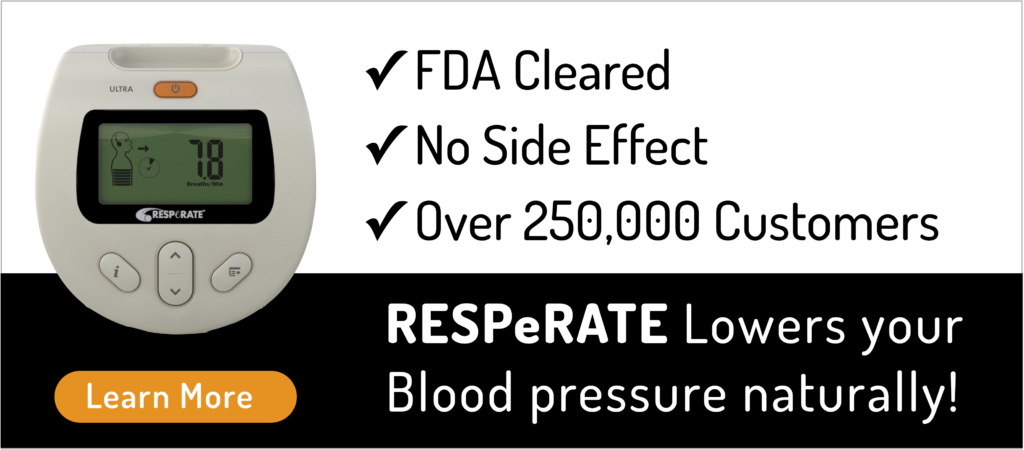
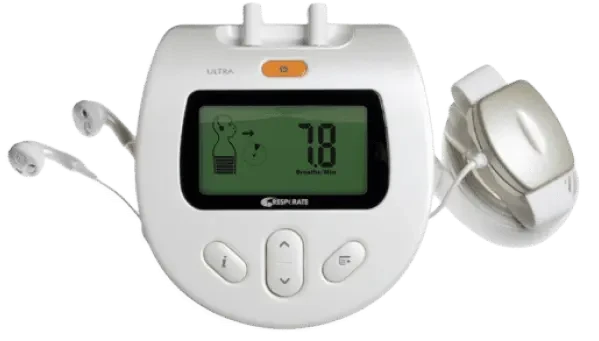
RESPeRATE is the only FDA-cleared device specifically designed to lower blood pressure naturally. Fifteen minutes a day of device-guided slow breathing produces reductions that compare favorably with many lifestyle interventions, without side effects and without any interaction with the supplements above. Many RESPeRATE users use it alongside their prescribed treatment plan to make meaningful progress on blood pressure over time.
To learn more about how RESPeRATE works alongside your heart health routine, visit our clinical proof page.
Disclaimer: This post is for informational purposes only. Dietary supplements are not FDA-approved to treat or cure any disease, including hypertension. The research discussed reflects peer-reviewed evidence available at the time of publication and should not be interpreted as a recommendation to use any specific supplement. Always consult your physician before adding supplements to your routine, particularly if you take prescription medications or have a cardiovascular condition. RESPeRATE is a complement to your overall health program, not a replacement for medical care.
Ready to add a clinically supported tool to your heart health routine? Explore RESPeRATE today and use it as part of your overall health program, alongside your physician-directed treatment plan.

 Clinically proven

 Eli
Eli 




