
 Eli Ben-Yehuda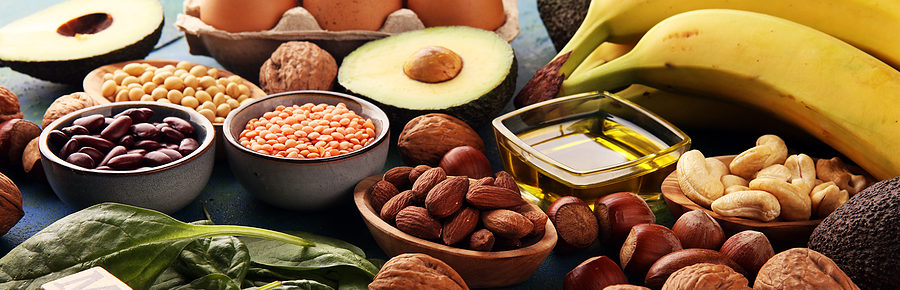
With high blood pressure affecting around 70 million people in the U.S. and increasing the risk of two of the leading causes of death for Americans – heart disease and stroke – preventing or controlling blood pressure is an essential healthcare objective.
Labeled the “silent killer” due to often having no warning signs or symptoms, high blood pressure is a common and often dangerous condition.
What Does Magnesium Do?
Magnesium helps regulate hundreds of body systems, including blood pressure, blood sugar, and muscle and nerve function. We need magnesium to help blood vessels relax, and for energy production, bone development, and transporting calcium and potassium. Just like potassium, too much magnesium can be lost in urine due to diuretic use, leading to low magnesium levels.
The National Institutes of Health (NIH) reports that most older adults in the U.S. don’t get the proper amount of magnesium in their diets, although extreme magnesium deficiency is very rare. It’s best to get the mineral from food, especially dark, leafy green vegetables, unrefined grains, and legumes. The RDA of magnesium is 420 milligrams (mg) per day for men ages 50 and older; 320 mg/day for women ages 50 and older.
Too much magnesium from a supplement or from magnesium-containing drugs such as laxatives may cause diarrhea. There are no known adverse affects of magnesium intake from food.
Clinical Research on Magnesium and blood pressure?
“Until now, there’s been inconclusive evidence regarding the effect of magnesium supplements on blood pressure,” said Lindsy Kass, Senior Lecturer and registered nutritionist at the University of Hertfordshire. “So we conducted ameta-analyzis by analyzing data from twenty-two trials involving 1,173 people to assess the effect of magnesium on blood pressure.”
In the trials, the magnesium supplementation doses ranged from 120 to 973 mg with between 3 to 24 weeks of follow-up. Although not all individual trials showed significance in blood pressure reduction, by combining the trials, the overall data indicated that magnesium supplementation reduced both systolic and diastolic blood pressure. With the best results observed at the higher dosages.
“The clinical significance in the reductions found from this meta-analysis may be important in helping to prevent hypertension and associated risks around cardiovascular disease,” said Lindsy. “And is worthy of future trials using solid methodology.”
There are many foods rich with Magnesium and good for lowering blood pressure.
Kelp
Not exactly a staple in U.S. kitchens, but it should be, as it’s the king of sea veggies, and delivers 780 mg of Mg—no other food source comes close to that. You can replace beef or chicken stocks with kelp stock (made by adding a 5″ strip of kelp per quart of liquid) in 10 minutes. Once cooked, you can cut up the strips and place them in the soup. I’ve had great success with Maine Sea Coast Vegetables.
Wheat germ
I have always enjoyed adding wheat germ to my salads, soups, and smoothies. It wasn’t until recently that I realized what an intense source of magnesium it is, providing 440 mg. In a cereal form, the amount drops to 420 mg, but that’s a full day’s supply for an adult male (and 100 mg more than an adult woman needs).
Buckwheat
This amazingly versatile fruit seed contains 229 mg of magnesium per serving. You can cook it and eat it as you would grits or porridge, you can add it to soups, or even make pancakes with it (which lowers its Mg level to about 25 mg). It’s gluten free and doesn’t lead to extreme spikes in blood sugar the way grains can.
Garbanzo beans
Delicious, easy to prepare, and nutritious—what more could we ask for? A cup of raw chickpeas delivers more than 230 mg of magnesium. Prepare them and blend the beans with some lemon juice and olive oil and you’ve got a great stress-busting hummus.
Spinach
I love my spinach. Whether it’s raw, creamed, cooked, slipped into eggs, in soups, or dozens of other dishes. While not high in Mg, its 88 mg is nutrient rich and delivers a great way to ease the stress of the day. Fresh is best, organically grown is even better. But frozen also does the trick.
Almonds and Cashews
These nuts are amazing at calming us down. A half-cup serving delivers 135 mg of magnesium! Almonds and cashews are a wonderful way (when organic and raw) to enrich a salad, create a surprising omelet, or enrich a sauce. And let’s face it, they’re great to snack on—again, organic is best. Whole Foods sells a blend of three Mg-rich nuts: almonds, cashews, and pistachios.
Cocoa
Until I discovered its importance as a source of magnesium-rich nutrients, I questioned my lifelong love of chocolate. Now that I know it delivers 420 mg per cup, I fully understand my quest. The key is dark cacao, not milk chocolate.
It has been found a cacao content of 80% percent delivers the best percentage, you can add it to desserts, make hot cocoa, or simply treat it as a dessert at the end of a meal. Everything in moderation, but this is one food that nourishes both the body and the soul.
Water
Let’s not forget the importance of Mg-rich water. It really is a vital part of your diet, but most people are totally unaware of the value of magnesium-rich water. It makes a huge difference in your body’s ability to refill its stores.
Black-Strap Molasses
This is such a versatile and tasty way to enhance your need for minerals. For those who love sugar in their coffee, seek to bring some zing to their cereal, or want to infuse their treats with good wholesome nutrition, try black-strap molasses. It’s a nutritional workhorse that delivers minerals and nutrients like few other foods.
So, you can see now, how essential is Magnesium for high blood pressure.


 Clinically proven





Comments
16 Replies to “Magnesium For Hypertension – Does It Really Work?”
I guess that almost everyone who subscribes to this news letter reads it because they have a blood pressure concern. It makes me curious why this news letter would be recommending the use of a product that is BEST SPICED WITH SALT??
Almonds and Cashews: These nuts are amazing at calming us down. A half-cup serving delivers 135 mg of magnesium! Almonds and cashews are a wonderful way (when organic and raw) to enrich a salad, create a surprising omelet, or enrich a sauce. And let’s face it, they’re great to snack on—again, organic—and best spiced with SEA SALT. Whole Foods sells a blend of three Mg-rich nuts: almonds, cashews, and pistachios.
Dear Jerry, Good Question. Not everyone has to go salt-free. But I see what you are saying.
What product is your correspondent Jerry referring when he says it contains salt? None of your dietary suggestions contain salt as far as I know unless you buy salted nuts which of course you don’t need to.
I would recommend roasted or raw nuts. The extra salt is counterproductive to lowering your blood pressure. Eli.
Hi Jerry- I buy all raw nuts without salt. I’m not sure that nuts taste best with salt. If you’re not familiar, Trader Joe’s has many different types of raw nuts. I think you’re thinking of roasted nuts which usually have salt.
Important information, but it did not have the serving size for the given amounts of Mg
Hi Tom,
The recommended dietary allowance for magnesium for adult men is 400-420 mg per day. The dietary allowance for adult women is 310-320 mg per day.
Eli
Cayenne?
Hi Eleanora,
Here is a link to an article that should help: https://resperate.com/blog/hypertension/diet/healthy-foods/eating-red-hot-chili-peppers-reduces-hypertension
Kindest Regards
So which Mg is best to take. There are a lot of different forms. John
What is the best type of Magnesium?
Hi Romi, many recommend Magnesium Glycinate s Magnesium Citrate can cause stomach problems. Kindest Regards.Eli,
Thank you for all of the great information and recipes in your newsletters. I look forward to them each time. One thing I can think of is that there are different kinds of magnesium. In my reading I found that Magnesium Glycinate is the best type as it does not cause gastric effects like magnesium citrate and is easily absorbed. I take 400 mgs at night.
John has a valid question as there are many types. The oxide form gives me diarrhea so I’ve had to switch to the Glycinate form which supposedly has better absorption but contains much less actual Magnesium. The issues then is on amount – to get our required intake of +/- 400mg daily, does that number refer to what’s shown on the bottle label as amount/serving or the actual Magnesium equivalent amount (in the finer print) we should be getting?
Why not write an article on berberine?
Hi Vern, Great idea I will look into it. Eli