
 Brian Fairchild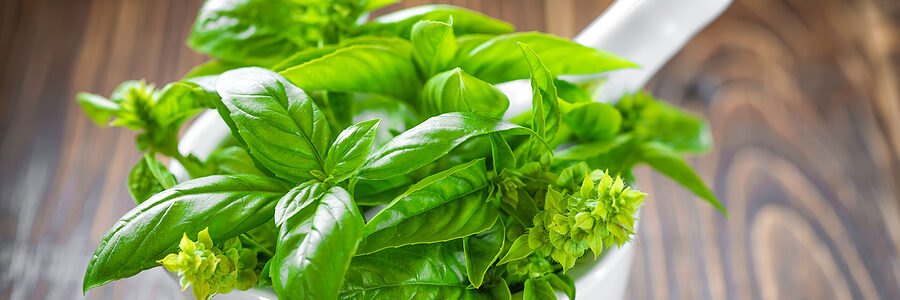
Sweet basil and blood pressure have a real, if early, research connection. However, online claims about this herb often blur it together with a very different plant, holy basil. This article covers sweet basil (Ocimum basilicum), the herb used in pesto and Mediterranean cooking. Instead, this article does not cover holy basil (Ocimum tenuiflorum), the Ayurvedic herb also called tulsi. That distinction matters because some of the strongest basil claims online, including the adaptogen label, actually belong to holy basil. Below is what animal and small human studies actually show about sweet basil. A few precautions are worth knowing before you add it to your routine.
Sweet Basil vs. Holy Basil: Not the Same Plant
Sweet basil (Ocimum basilicum) is the culinary herb behind pesto, Italian dishes, and many Mediterranean recipes. Holy basil, also called tulsi (Ocimum tenuiflorum or Ocimum sanctum), is a different species used mainly in Ayurvedic medicine. According to a PubMed-indexed systematic review, holy basil is the species most closely tied to adaptogen claims and stress-related research. In fact, sweet basil has not been studied or classified the same way. Therefore, a basil claim about adaptogen effects, stress-hormone regulation, or Ayurvedic tradition is almost certainly about holy basil. It is not about the sweet basil discussed in this article.
What the Research Shows on Sweet Basil and Blood Pressure
A 2010 study published in the journal Hypertension Research tested sweet basil extract in rats with induced high blood pressure.
It was 150/100, this morning it was 110/79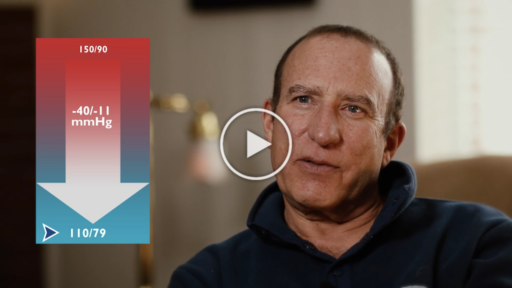
Watch How Mark Lowered His Blood Pressure Naturally.

The extract lowered systolic blood pressure by about 20 points and diastolic pressure by about 15 points. For comparison, the prescription drug captopril lowered those numbers by about 35 and 22 points in the same study. Still, sweet basil showed a real effect, though a smaller one than an established blood pressure medication.
A small 2021 pilot trial in humans found something similar. Twenty-four people with stage 1 or 2 hypertension took their prescribed blood pressure medication. Half of them also took a daily sweet basil capsule for two weeks. The group taking sweet basil saw a significantly greater drop in blood pressure than the group on medication alone. However, this was a small, short pilot study, and its findings need confirmation in larger trials before they change any treatment recommendation.
Adding Sweet Basil to Your Diet
Most of the research above used concentrated extracts, not the amount you would eat in a normal meal. Even so, working fresh sweet basil into meals regularly is a reasonable, low-risk way to enjoy the herb.
It was 170/110, this morning it was 120/80
Watch how Julie Lowered her Blood Pressure Naturally.


- Fresh in cooking: toss whole leaves into salads, pasta, and sauces just before serving
- Herbal tea: steep a handful of fresh leaves in hot water for a few minutes
- Infused oil or vinegar: add fresh basil to oil or vinegar for a few days for a mild, aromatic flavor
Precautions and Possible Interactions
However, some general basil resources warn about interactions with sedatives and other medications. That interaction research specifically studied holy basil, not sweet basil. Direct interaction data on sweet basil itself is limited. Still, herbs are biologically active. The National Center for Complementary and Integrative Health notes that herb-drug interactions are often under-researched and hard to predict. Talk with your doctor before adding concentrated sweet basil supplements, especially if you take blood pressure medication, a blood thinner, or a sedative. In contrast, culinary amounts of fresh basil in cooking carry a much lower risk profile.
How to Lower Blood Pressure Naturally
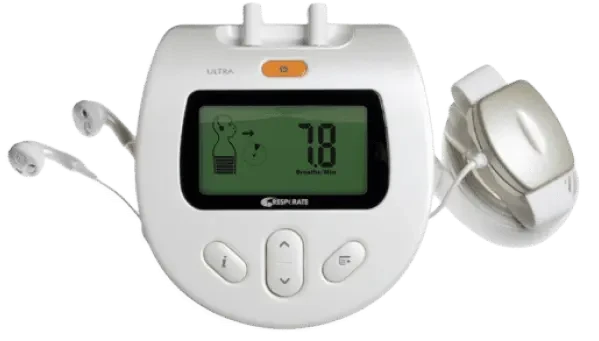
Diet and herbs like sweet basil can be part of a heart-healthy routine, but they work best alongside proven approaches, not instead of them. RESPeRATE is an FDA-cleared device that uses guided slow breathing to help lower blood pressure as part of your overall health program. It works alongside your physician-directed treatment plan rather than replacing it.
For more on plant-based approaches to blood pressure, see our Gooseberry Powder piece, or browse the full Alternative Treatments collection.

 Clinically proven


 Eli
Eli 




Comments